
Gear Review: Backcountry Access Float 32 vs. Float E2-35: Compressed Air or Electronic Avalanche Airbag
Posted by Dan Goodman on 28th Oct 2020
Avalanche airbag backpacks are an investment worth taking seriously. Not only are they a potentially life saving tool for backcountry skiing, but they're also undeniably expensive.
Although there are some commonalities across all airbag packs, there are also critical differences you'll want to consider, even within the same brand's lineup. Backcountry Access has built its reputation on two very different approaches to airbag deployment, and both are represented in their current pack lineup.
The Float 32 uses BCA's proven Float 2.0 compressed air system. The Float E2-35 uses the newer Alpride E2 supercapacitor system. Same brand, same mission, completely different technology under the hood.
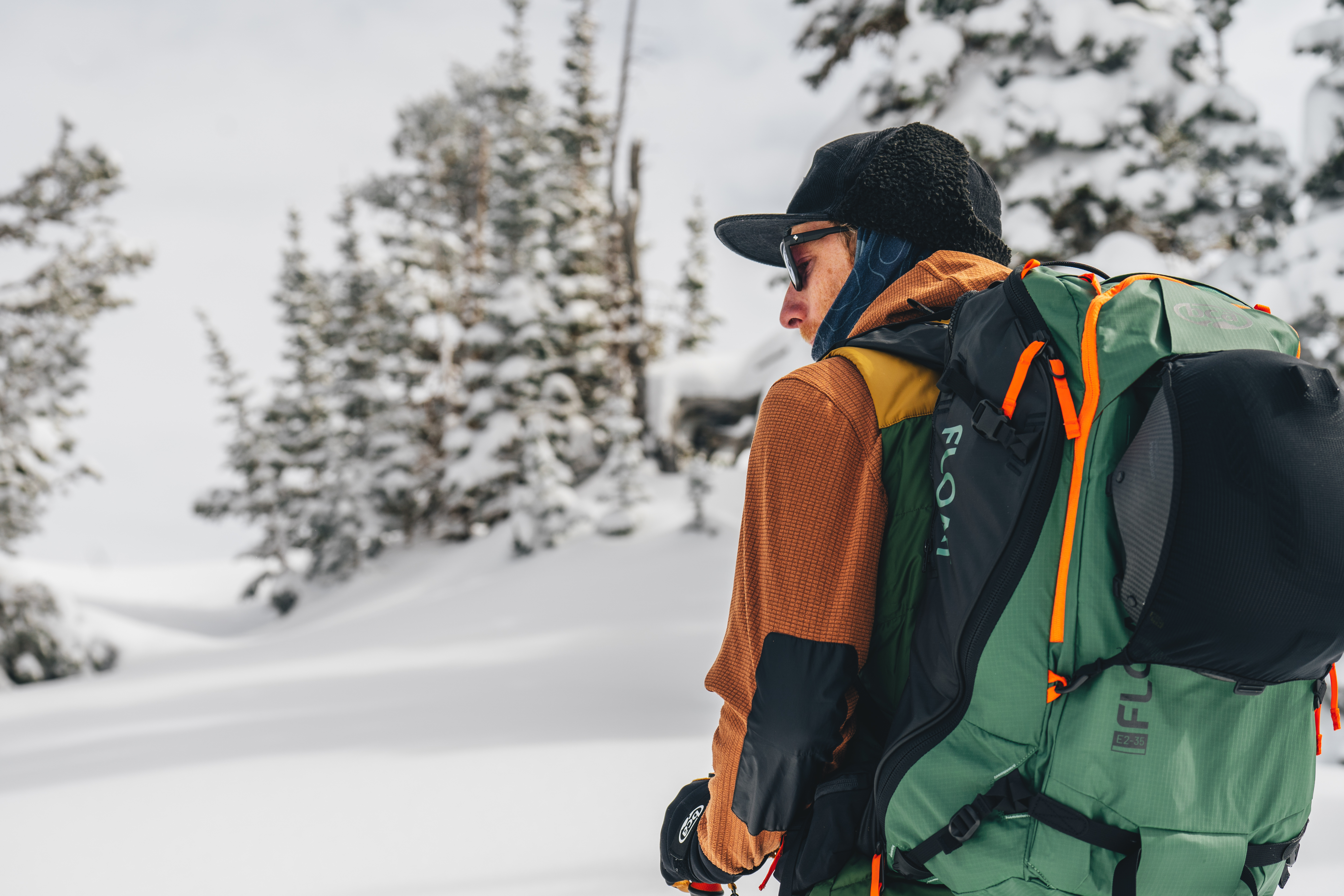
Let's take a deeper dive into how these two BCA packs stack up. We'll explore differences in weight, price, airbag systems, and unique features before reaching a conclusion about each one.
Weight
Weight isn't everything, unless you're skiing out of bounds.
Backcountry skiers are notoriously hard headed and stubborn when it comes to weight. If a backcountry enthusiast isn't telling you about how lightweight their boots are, they're almost certainly bragging about their pack weight.
The Float 32 weighs 6.4 pounds with its compressed air cylinder installed, or 3.8 pounds for the pack alone. The Float E2-35 weighs 6.157 pounds with its supercapacitor system installed, or 3.642 pounds for the pack alone. The two are close, with the E2-35 landing slightly lighter in both configurations despite carrying more usable pack volume.
Advantage: Backcountry Access Float E2-35 Avalanche Airbag Backpack
Price
The price conscious backcountry traveler may overlook the E2 lineup entirely once they see the sticker. The Float 32 runs $639.95, while the Float E2-35 runs $1,399.95, a difference of $760.
That gap buys you a fundamentally different airbag technology, not just a lighter pack. Whether that's worth it depends heavily on how you use the pack, which we'll get into below.
Advantage: Backcountry Access Float 32 Avalanche Airbag 2.0 Backpack
Airbag System
Here's where the real difference between these two packs shows up.
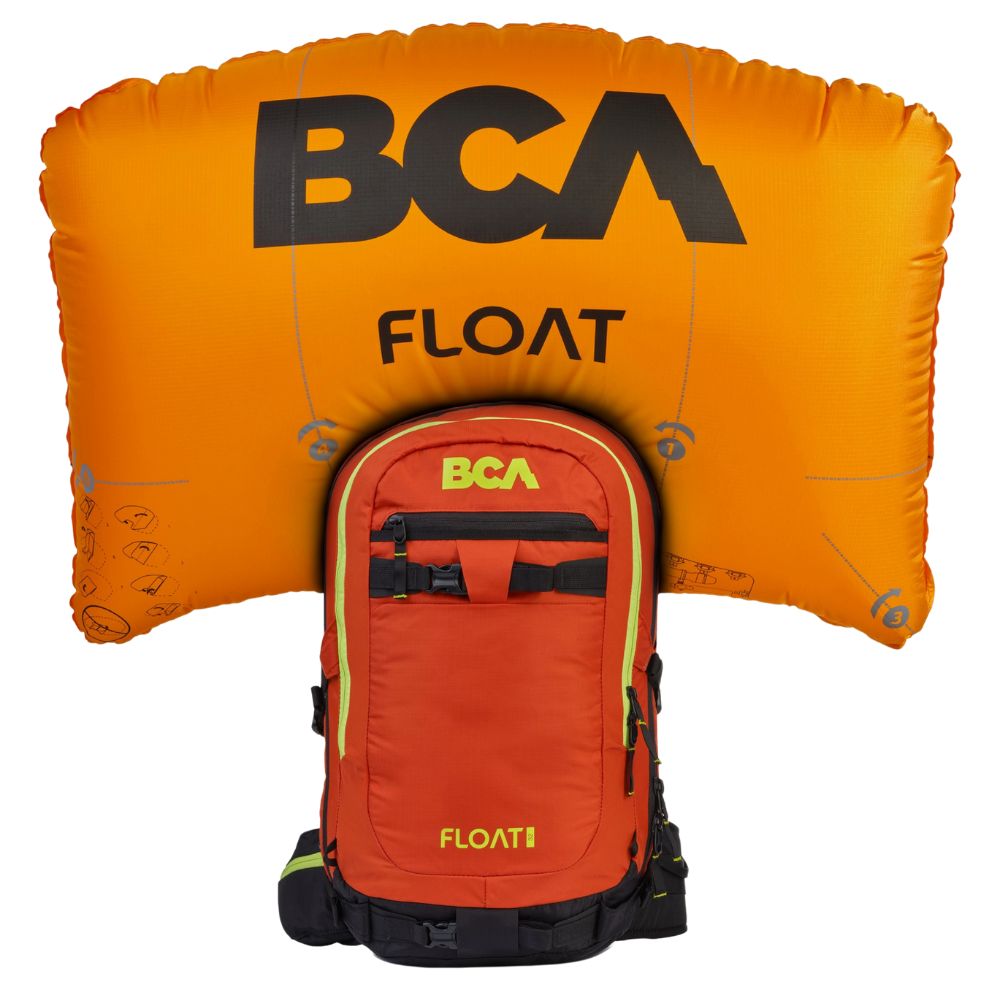
The Float 32 uses the Float 2.0 compressed air system, which inflates a 150 liter airbag using a refillable compressed air cylinder. It's a proven, mechanically simple system that backcountry travelers have trusted for years. The tradeoff is that once you deploy it, whether in practice or in a real slide, you need to get the cylinder refilled before your next tour. Refills are available at dive shops, paintball shops, and some ski shops, but it's an extra step and an extra cost every time you pull the trigger.
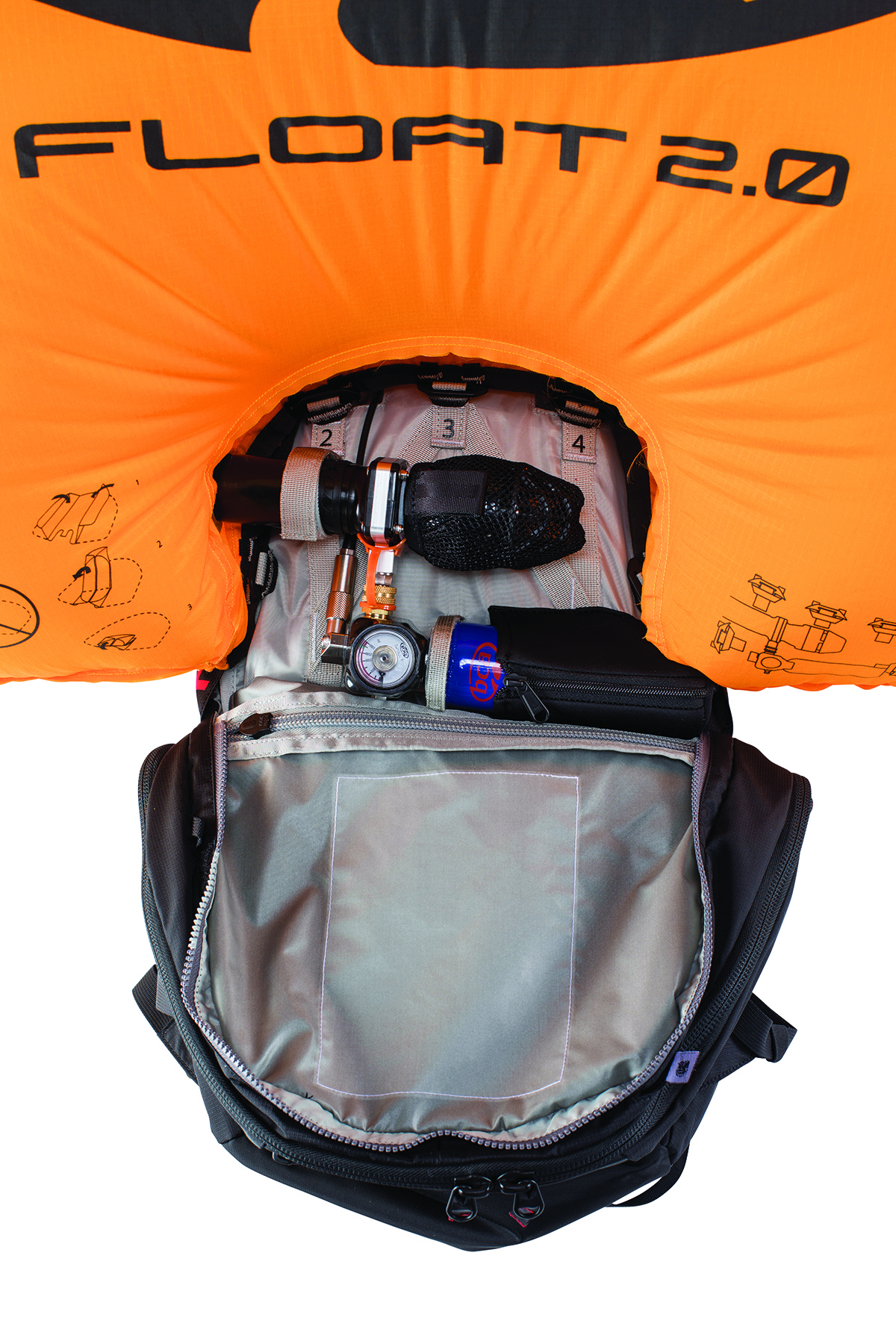
The Float E2-35 uses the Alpride E2 supercapacitor system, which inflates a larger 162 liter airbag. This system is fully electronic and rechargeable, either through a wall outlet or USB, so you can practice deploying it as often as you want without paying for refills. The E2 platform is also 40 percent smaller and 11 percent lighter than the previous generation Alpride E1 system, which is part of why the E2-35 pack keeps its weight so competitive with the Float 32 despite the added electronics.

Advantage: Backcountry Access Float E2-35 Avalanche Airbag Backpack
Unique Features
Both packs share some core BCA design elements, a dedicated avalanche tool compartment for your shovel and probe, A-frame and diagonal ski carry, vertical snowboard carry, and BC Link radio compatible strap routing.
Where they diverge is in day to day usability. The Float 32 gives you back panel access for grabbing gear without fully unpacking, along with a height adjustable waist belt for a more custom fit across body types.
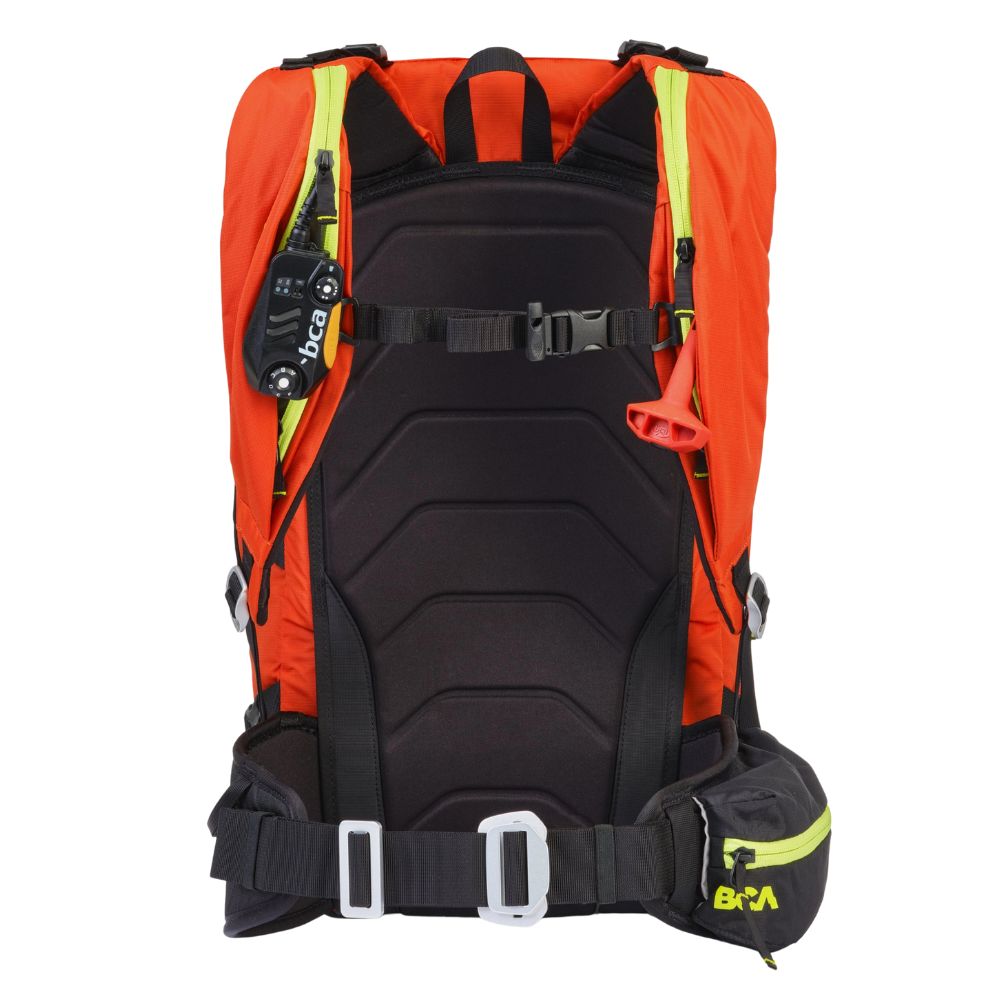
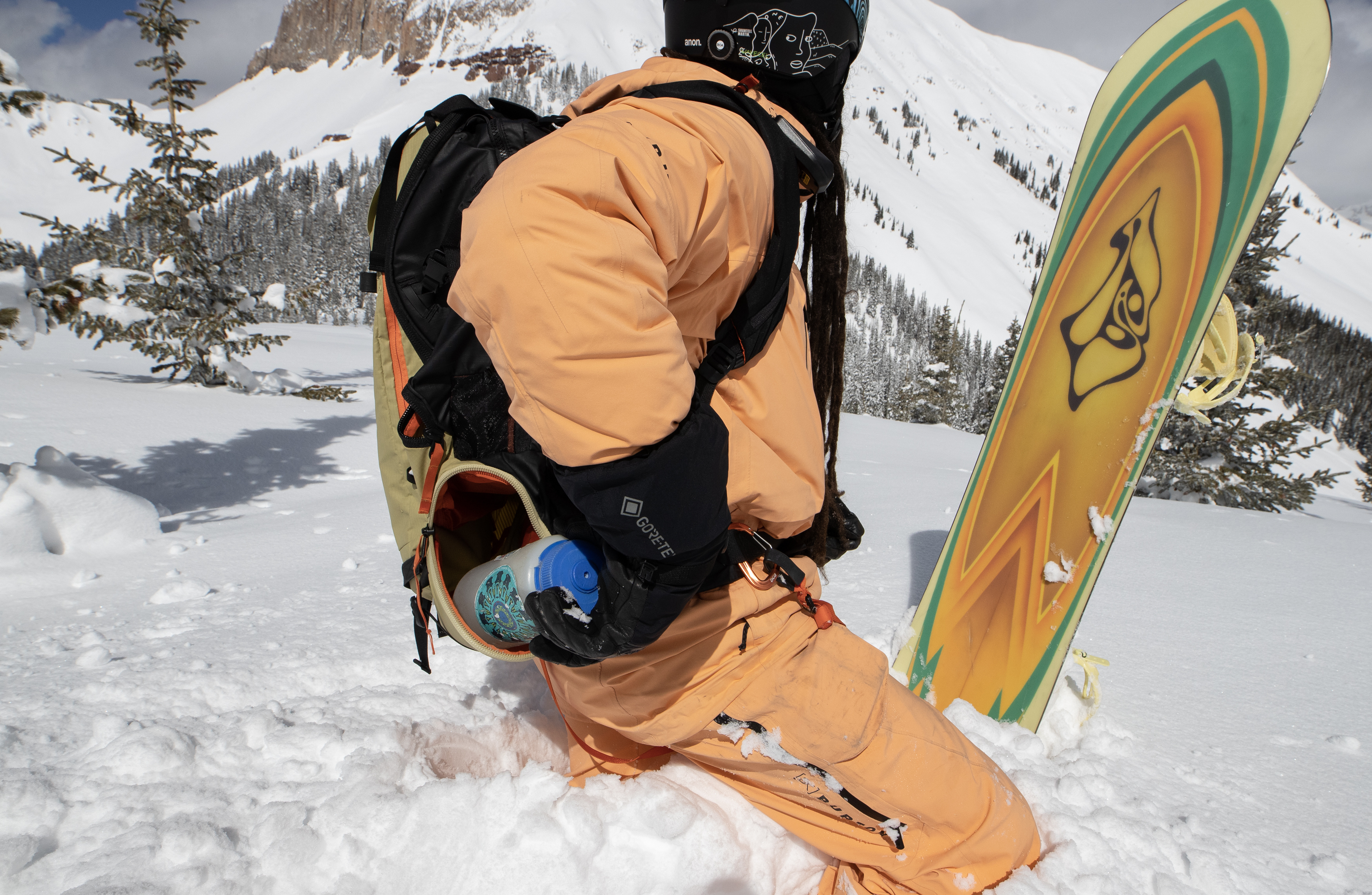
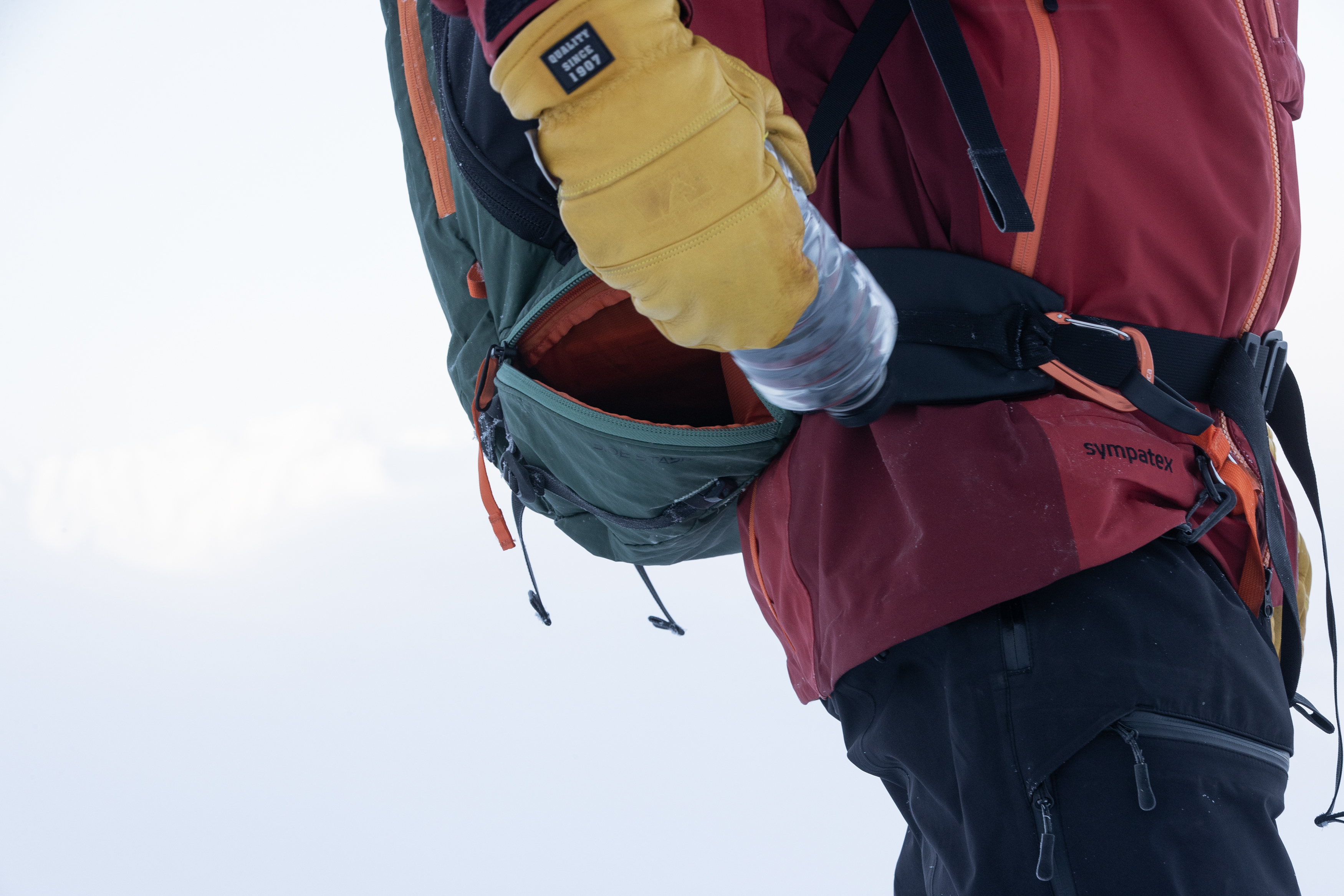
The Float E2-35 adds a curved side access zipper for grabbing gear on the go, side and back stash pockets for quick access to water or gloves, and a system built around airline travel, since a rechargeable electronic airbag avoids the restrictions that can complicate flying with a compressed air cylinder.
Advantage: Backcountry Access Float E2-35 Avalanche Airbag Backpack
Conclusion
Despite coming from the same brand and the same core mission, these two Backcountry Access packs serve pretty different kinds of backcountry travelers.
If you want a proven, mechanically simple system at a significantly lower price point, and you don't mind the occasional cylinder refill, the Float 32 has what you need.
If you're headed out for frequent tours, want to practice deploying your airbag without extra cost, or travel by air with your gear often, the Float E2-35's electronic system and lighter overall build make the higher price easier to justify.
|
  |
|
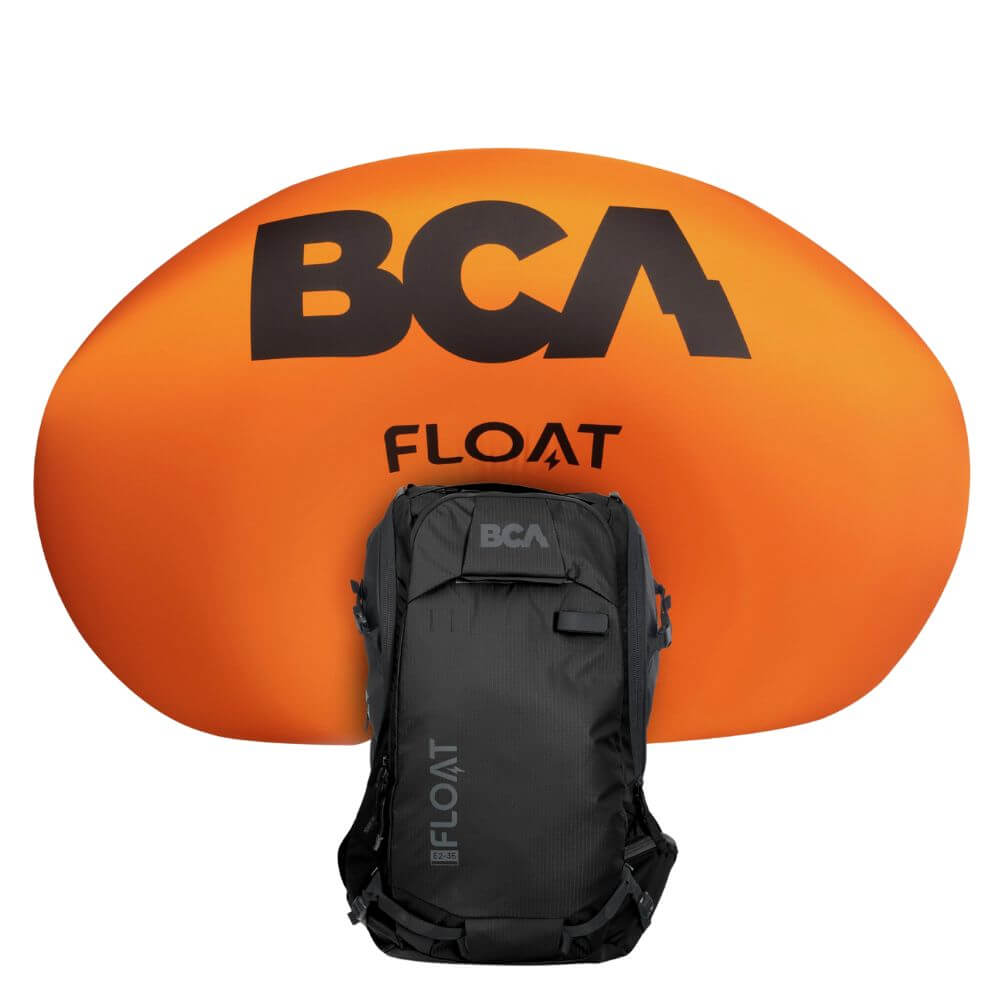
Comparison at a Glance
| Float 32 (Float 2.0) | Float E2-35 (Alpride E2) | |
|---|---|---|
| System | Compressed air cylinder | Rechargeable supercapacitor |
| Airbag Volume | 150 liters | 162 liters |
| Pack Volume | 32 liters | 35 liters (31 liters with system) |
| Weight, with system | 6.4 lb | 6.157 lb |
| Weight, pack only | 3.8 lb | 3.642 lb |
| Recharge or refill | Refill cylinder after each deployment | Recharge via wall outlet or USB |
| Best for | Budget conscious tourers, occasional use | Frequent tourers, air travel, repeat practice |
Frequently Asked Questions
What's the difference between a compressed air and an electronic avalanche airbag system?
A compressed air system, like BCA's Float 2.0, uses a refillable cylinder to inflate the airbag. An electronic system, like the Alpride E2, uses a rechargeable supercapacitor and fan instead of a cylinder. The electronic system costs more upfront but lets you practice deploying it as often as you like without paying for refills.
Do I need to refill my avalanche airbag after every use?
Only if you have a compressed air system. Cylinder based packs like the Float 32 need a refill after each deployment, available through dive shops, paintball shops, or some ski shops. Electronic systems like the Float E2-35 just need to be recharged.
Can I fly with an avalanche airbag backpack?
Rechargeable electronic systems are generally easier to travel with by air, since they avoid the restrictions that can apply to compressed gas cylinders. Airline and TSA rules can vary and change, so it's worth checking directly with your airline before an international trip.
How much do avalanche airbag backpacks cost?
Prices for the packs covered here range from $639.95 for the Float 32 to $1,399.95 for the Float E2-35. Across the broader market, avalanche airbag packs generally run anywhere from about $500 to $1,500 depending on volume and system type.
What size avalanche airbag pack do I need?
It depends on your trips. Packs in the 20 to 35 liter range work well for day tours, while 40 plus liter packs suit multi-day missions or professional guiding use where you're carrying more gear.
Does an avalanche airbag guarantee survival in an avalanche?
No. An airbag pack is one part of a broader safety system that includes education, a beacon, shovel, probe, and sound decision making in the field. It improves your odds but doesn't guarantee an outcome.
About Campman
Campman is an outdoor retail store located in Salt Lake City, Utah, that specializes in gear and equipment for camping, skiing, backpacking, climbing, and everything in between. We understand that the difference between a bad memory and the adventure of a lifetime can come down to the gear you take with you when you head outdoors, and we want our customers to have the best experiences possible. When it comes to getting outside, we get it, and we'll get you the gear you need to get there.
About the Author
 Dan Goodman
Most of the year, Dan can be found chasing the best climbing conditions he can get his hands on, and in the dead of winter, he'll settle for chasing powder on his snowboard. He's constantly seeking out better gear, testing new climbing shoes, backpacks, sleeping bags, and more to make his life in the outdoors a bit more comfortable. When he's not outside putting his gear to good use, he's writing about the products that he knows best.
Share on: