
Approach Shoes Vs. Hiking Shoes
Posted by Derek Newman on 21st Jul 2026
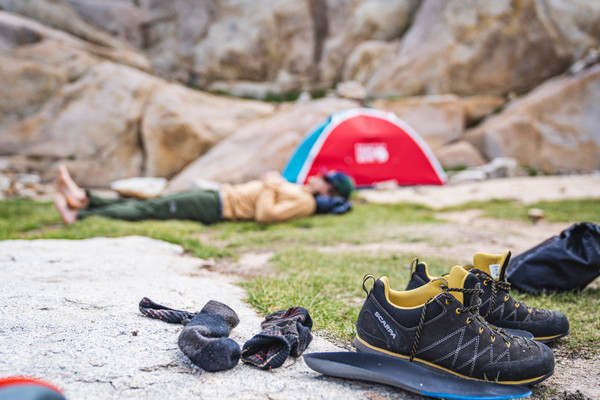
Approach shoes and hiking shoes look similar on the shelf, and a lot of hikers spend too long debating which one to buy. The short answer is this: if you are hiking to a climbing objective, scrambling on technical rock, or covering terrain where rubber grip on stone matters more than cushion, you want approach shoes. If you are logging trail miles, bagging peaks on maintained paths, or spending long days on your feet without technical rock, hiking shoes are the better call. Both categories overlap on moderate terrain, and both are worth owning if you do both kinds of things. This guide breaks down what actually separates them, and points you toward the right pick from the Scarpa, Salewa, and La Sportiva inventory here at Campman.
What Is an Approach Shoe?
An approach shoe is technical footwear designed for the terrain between trailheads and climbs. It uses sticky rubber borrowed from climbing shoe technology, a protective rubber rand that wraps the toe, and a lacing system that extends close to the toe box for a precise, secure fit on rock. The sole is moderately stiff for edging on small holds but flexible enough to walk efficiently on trail. Approach shoes are lighter than hiking shoes and prioritize rock grip and foot feel over long-distance cushioning.
Approach Shoes vs Hiking Shoes: What Actually Differs
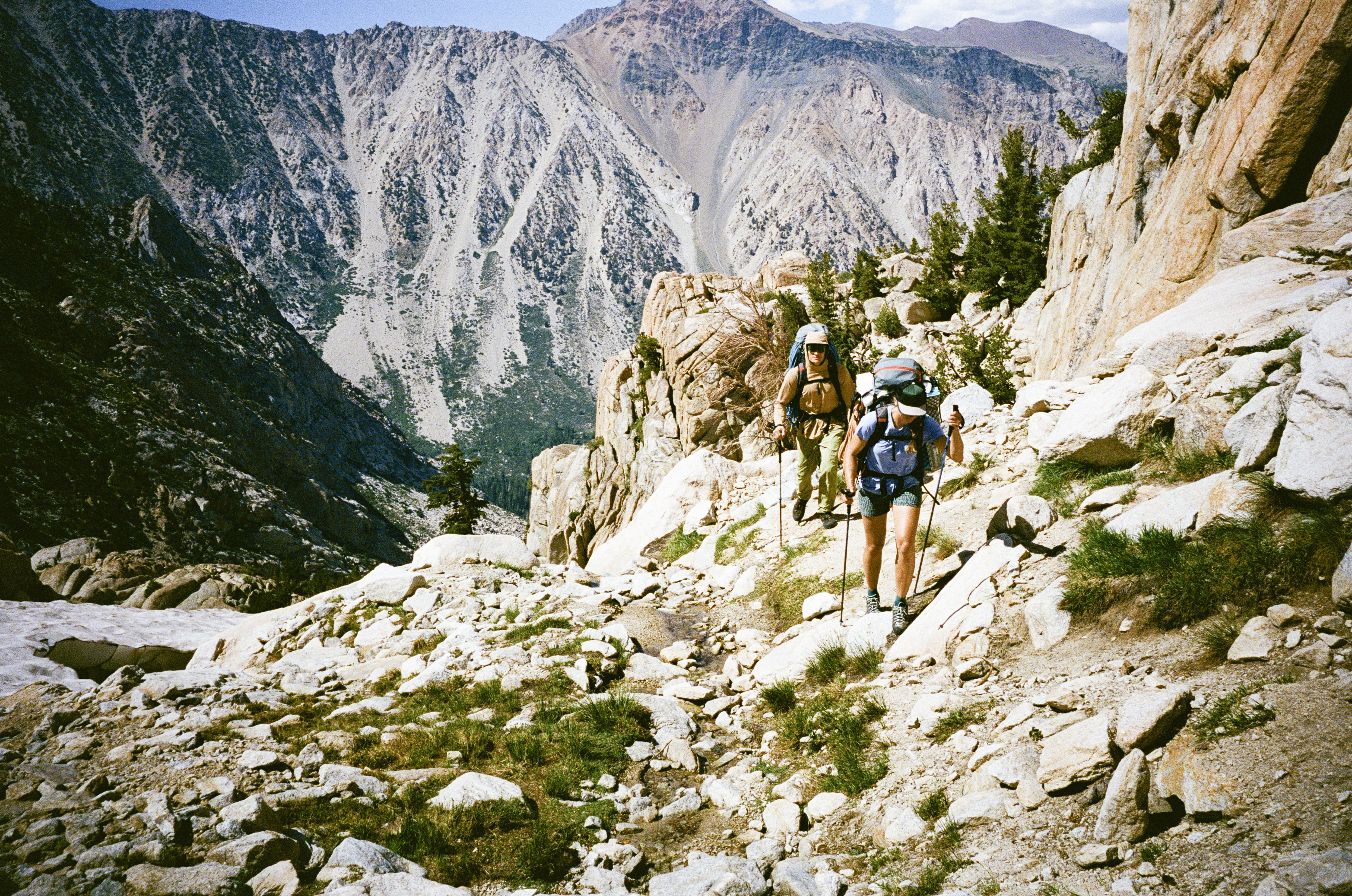
Strip away the branding and the difference comes down to four things: rubber compound, rand construction, midsole purpose, and lacing zone. Approach shoes use a soft, sticky rubber compound similar to what climbing shoes use. Hiking shoes use a harder compound built for durability on dirt and gravel. Approach shoes have a rubber rand around the toe that protects against abrasion on rock and allows smearing. Hiking shoes typically lack a rand. Approach shoe midsoles are tuned for precision on technical terrain. Hiking shoe midsoles are tuned for cushion and support over sustained distance. And approach shoe lacing extends further toward the toe to lock the foot in place on technical moves.
| Feature | Approach Shoe | Hiking Shoe |
| Rubber compound | Soft, sticky climbing rubber for rock grip | Harder compound for trail durability |
| Rand | Yes, rubber rand wraps toe for smearing and protection | No rand, toe cap only |
| Sole stiffness | Moderate, precise for edging small holds | Stiff to very stiff for long-distance support |
| Lacing zone | Extends close to toe box for secure rock contact | Standard midfoot lacing |
| Weight | Lightweight, typically 8 to 12 oz per shoe | Heavier, typically 12 to 20 oz |
| Cushioning | Minimal, prioritizes ground feel | Significant, built for sustained mileage |
| Can hike in them? | Yes on moderate trails, less comfortable over long distance | Yes on most terrain, not ideal on technical rock |
| Price range | $130 to $240 | $120 to $280 |
Do I Need Approach Shoes?
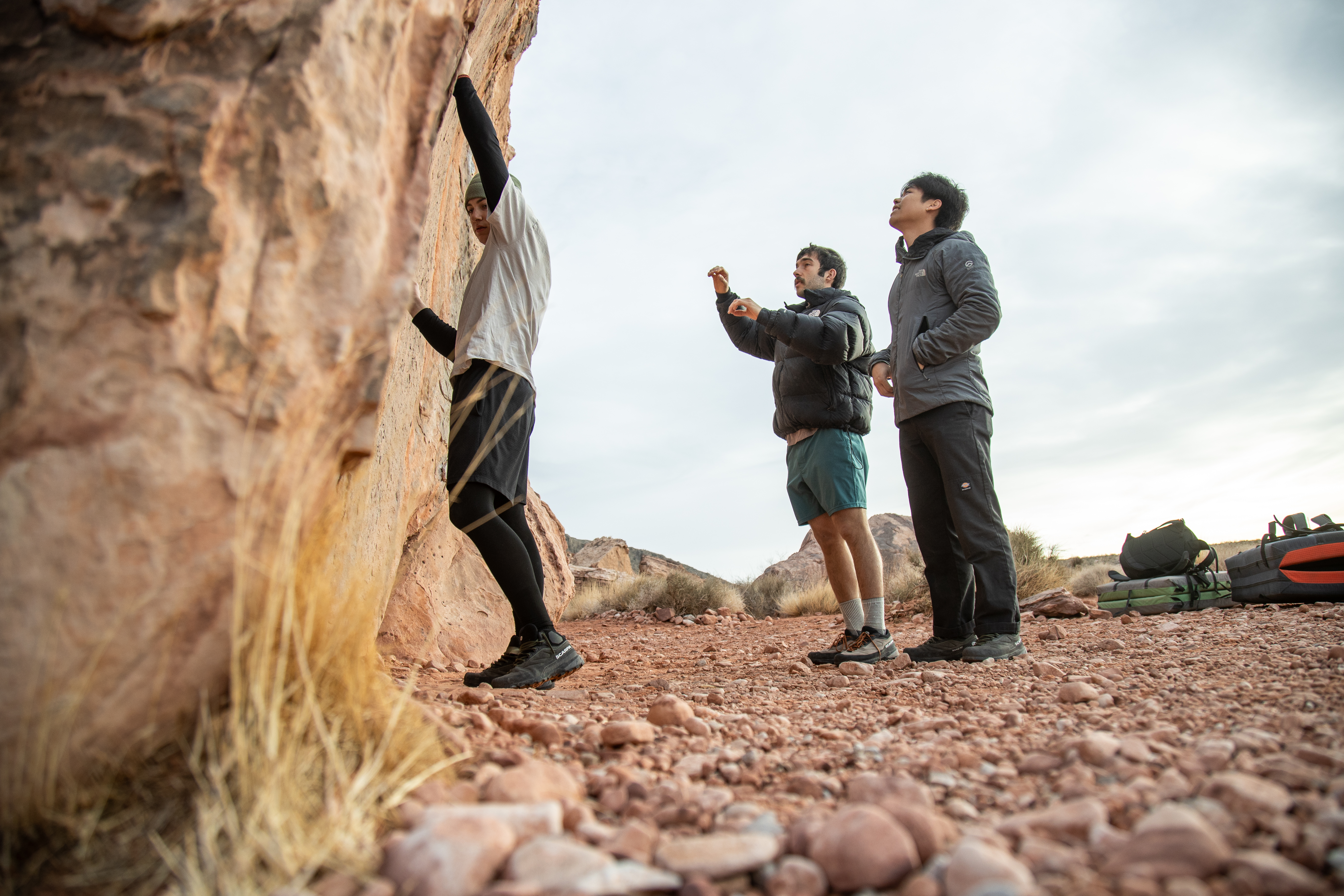
You need approach shoes if you are doing any of the following. First, hiking to a rock climbing objective where the approach involves scrambling, bouldering, or loose talus. Second, spending time on granite slabs, sandstone faces, or any rock where friction grip matters. Third, doing via ferratas or technical ridge traverses where sticky rubber on metal rungs and rock edges improves safety. Fourth, multi-pitch climbing where you need to walk back to camp after a long day on the wall. If you are purely hiking on maintained dirt trails without technical rock sections, approach shoes are not necessary, and a hiking shoe will serve you better.
Best Approach Shoes at Campman
 |
 |
 |
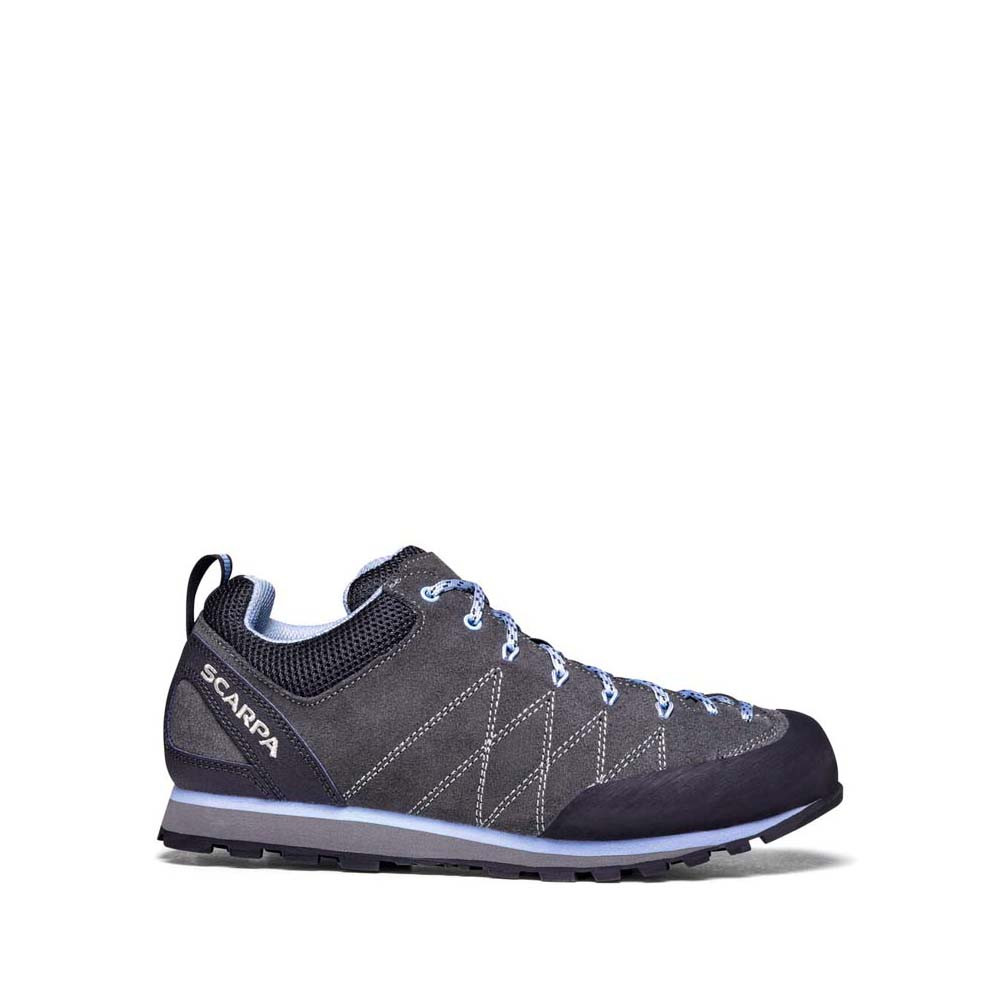 |
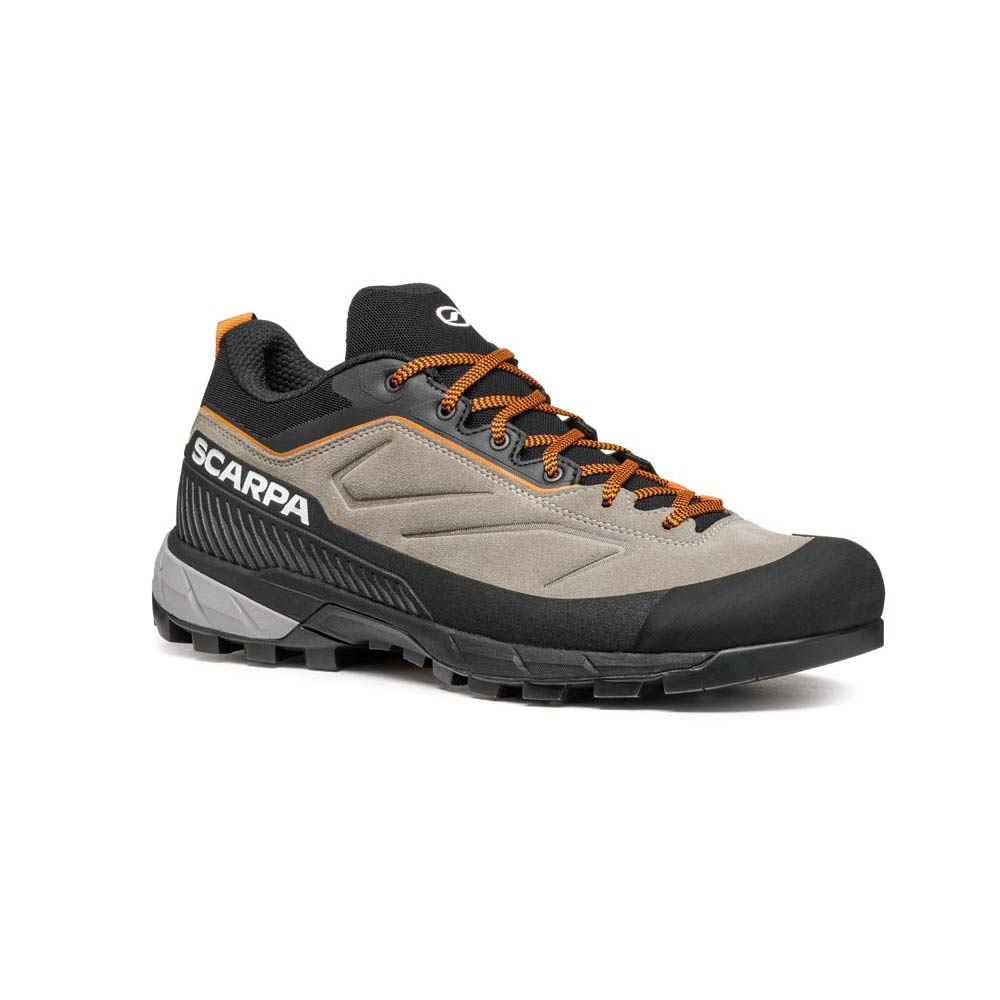
Campman carries a focused lineup of approach shoes from Scarpa, Salewa, and La Sportiva, three of the strongest brands in the category. The Scarpa Rapid XT is the most technically capable approach shoe in the lineup, built for climbers who need real rock performance on the approach. The Salewa Wildfire NXT is the better all-arounder for hikers who want approach capability without giving up trail comfort. The La Sportiva TX4 Evo brings a leather build to the category for hikers who want durability up front. And the Scarpa Crux rounds out the lineup as the option built to hold up the longest under repeated wear.
Best Technical Approach Shoe: Scarpa Rapid XT
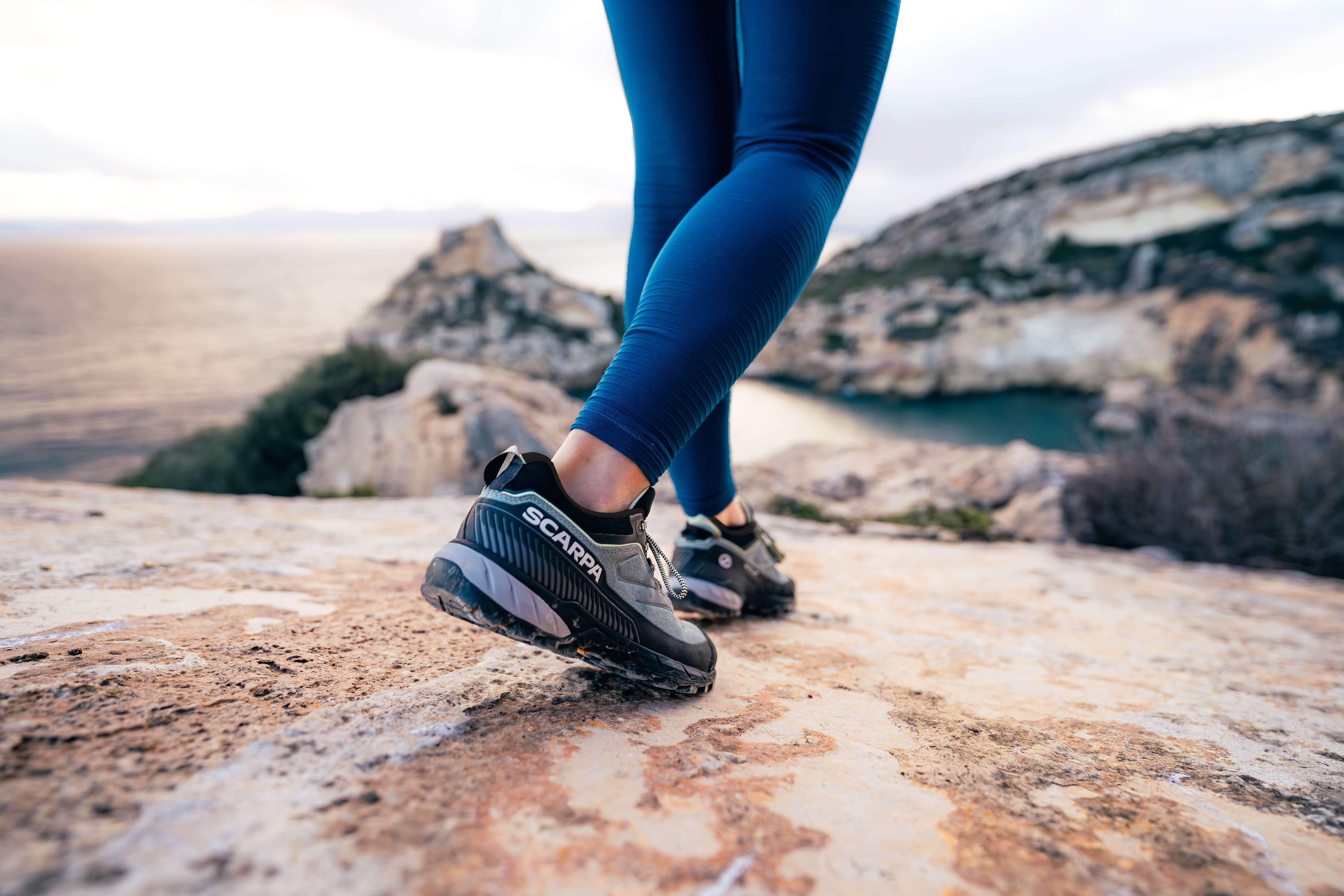
Vibram Approach rubber, a full rubber rand, and a secure lacing system that locks the foot in place on rock. The Rapid XT is Scarpa’s sharpest approach shoe for climbers who cover technical terrain on the way to the route. It is stiff enough to edge small features on approach scrambles, sticky enough to smear on smooth granite, and light enough to move fast. Not the most cushioned option for long trail days, but for technical rock performance on the approach, it is the right tool. Scarpa also offers the Rapid LT for a lighter, more casual version of the same platform.
Men’s  |
Women’s |
Best All-Around Approach Shoe: Salewa Wildfire NXT
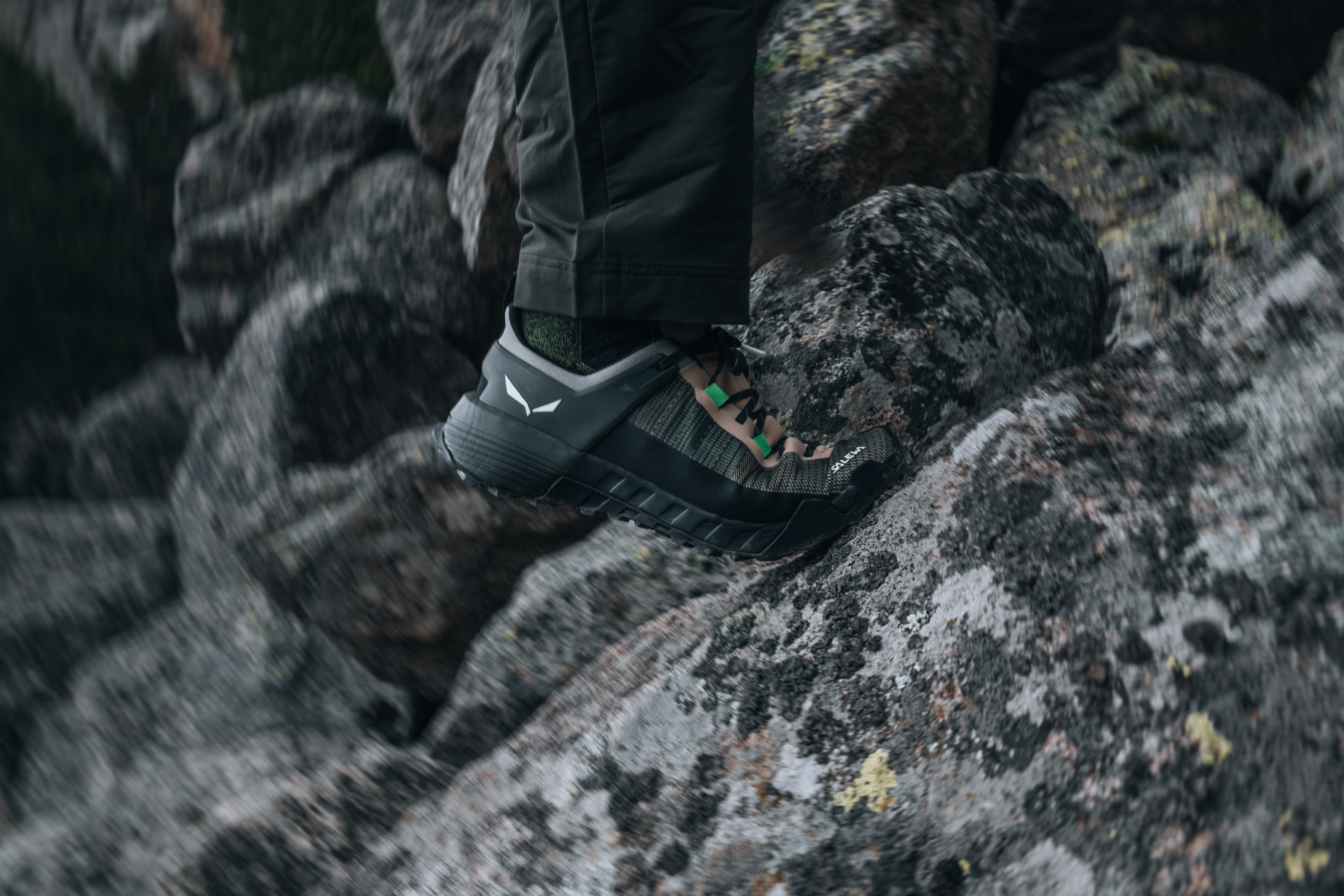
The Wildfire name has been one of the most recognized in approach footwear for years, and the NXT generation is the best version Salewa has made. Pomoca Climb Pro rubber sole, a precision lacing system that locks down the midfoot and toe box, and a fit that transitions well from trail to technical terrain. Where the Rapid XT prioritizes rock performance, the Wildfire NXT is built for the full day: trail approach, technical scrambling, and the walk back out. A strong pick for hikers who want one shoe that does everything on mixed terrain. The GORE-TEX version is available for wet-weather coverage, and the Mid GORE-TEX adds ankle support.
| Men’s |
Women’s |
Best Entry-Level Approach Shoe: La Sportiva TX4 Evo
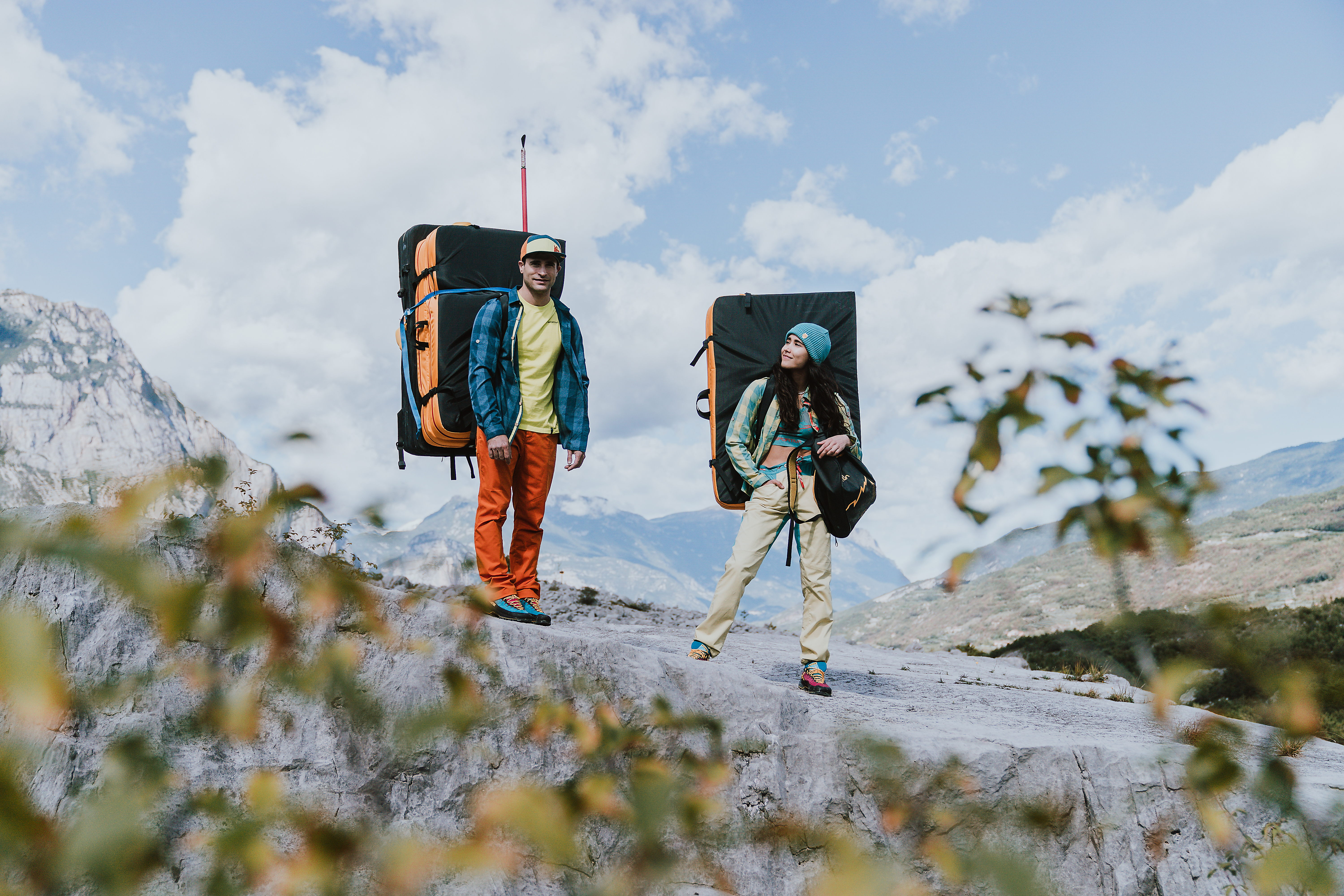
A Nubuck leather upper built for long-term durability, a Recycled Air-Mesh lining that keeps things cool on hot approaches, and a wider forefoot than most La Sportiva models for comfort once you are out of your climbing shoes. The TX4 Evo runs on a Vibram Megagrip outsole with La Sportiva’s Climbing Zone Platform, which stays planted on slabby, low-angle rock. The sole is also designed for easy resoling, so the shoe has a long useful life once you find your groove in it. A great first approach shoe for hikers who want the category’s core benefits, sticky rubber and a protective toe, in a shoe that also looks and wears like a trail shoe day to day. The Mid GTX version is available with GORE-TEX weather protection and added ankle support.
| Men’s |
Women’s |
Most Durable Approach Shoe: Scarpa Crux
A protective rubber rand and Scarpa’s Bi-Tension frame give the Crux the kind of torsional support and abrasion resistance that holds up to season after season of scrambling, without asking you to pay for a fully technical model. The comfortable last works well for wide-range use, so the shoe does not break down the way a minimal, race-oriented approach shoe can under repeated wear. A solid pick for someone who wants an approach shoe to last, not just perform on one big weekend.
Men’s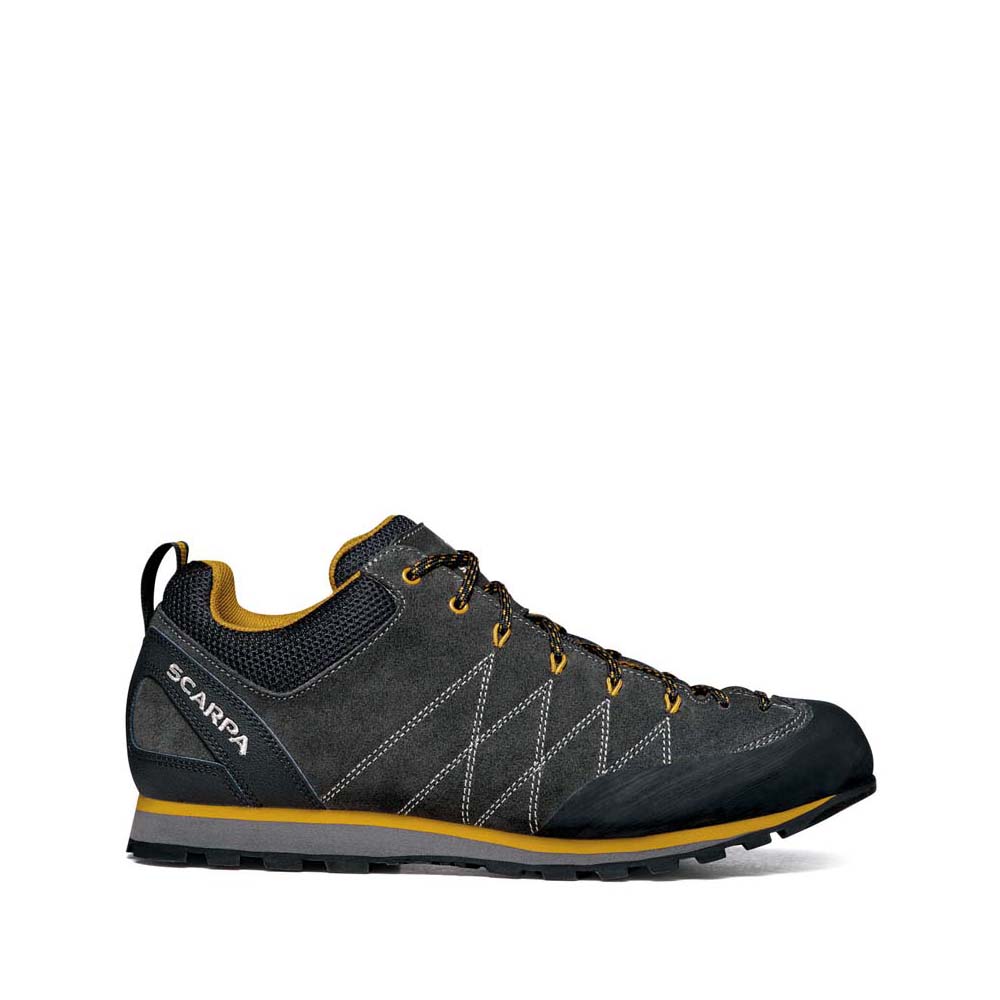 |
Women’s |
Best Hiking Shoes at Campman
 |
 |
 |
For pure trail hiking, Campman carries the Scarpa Rush 2 Pro GTX, the Salewa Pedroc 2 PTX, and the Scarpa Terra GTX as the main options. Each of these prioritizes cushion, support, and all-day wearability over rock grip. The right call for trail hikers who are not scrambling on technical terrain.
Best Waterproof Hiking Shoe: Scarpa Rush 2 Pro GTX
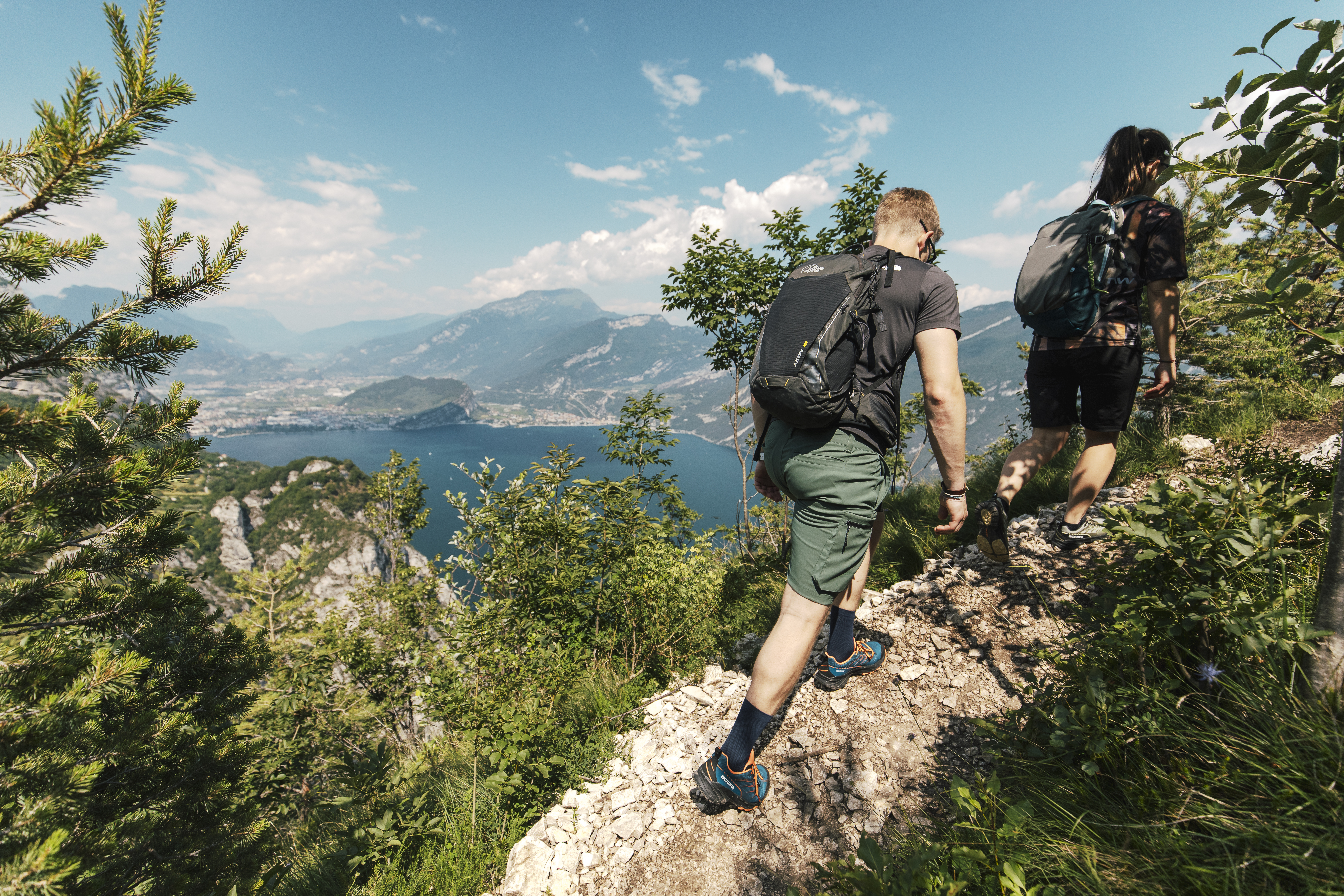
GORE-TEX waterproofing, Vibram Megagrip outsole, and a fit that handles everything from day hikes to longer trail objectives. The Rush 2 Pro is one of Scarpa’s most versatile hiking shoes, comfortable enough for an eight-hour trail day and protective enough for wet or variable conditions. A step up in technical capability from a standard trail runner, with the support and durability that a dedicated hiking shoe brings. Available in the Rush 2 Pro Mid GTX for added ankle support.
| Men’s |
Women’s |
Best Approach-to-Hiking Crossover: Salewa Pedroc 2 PTX
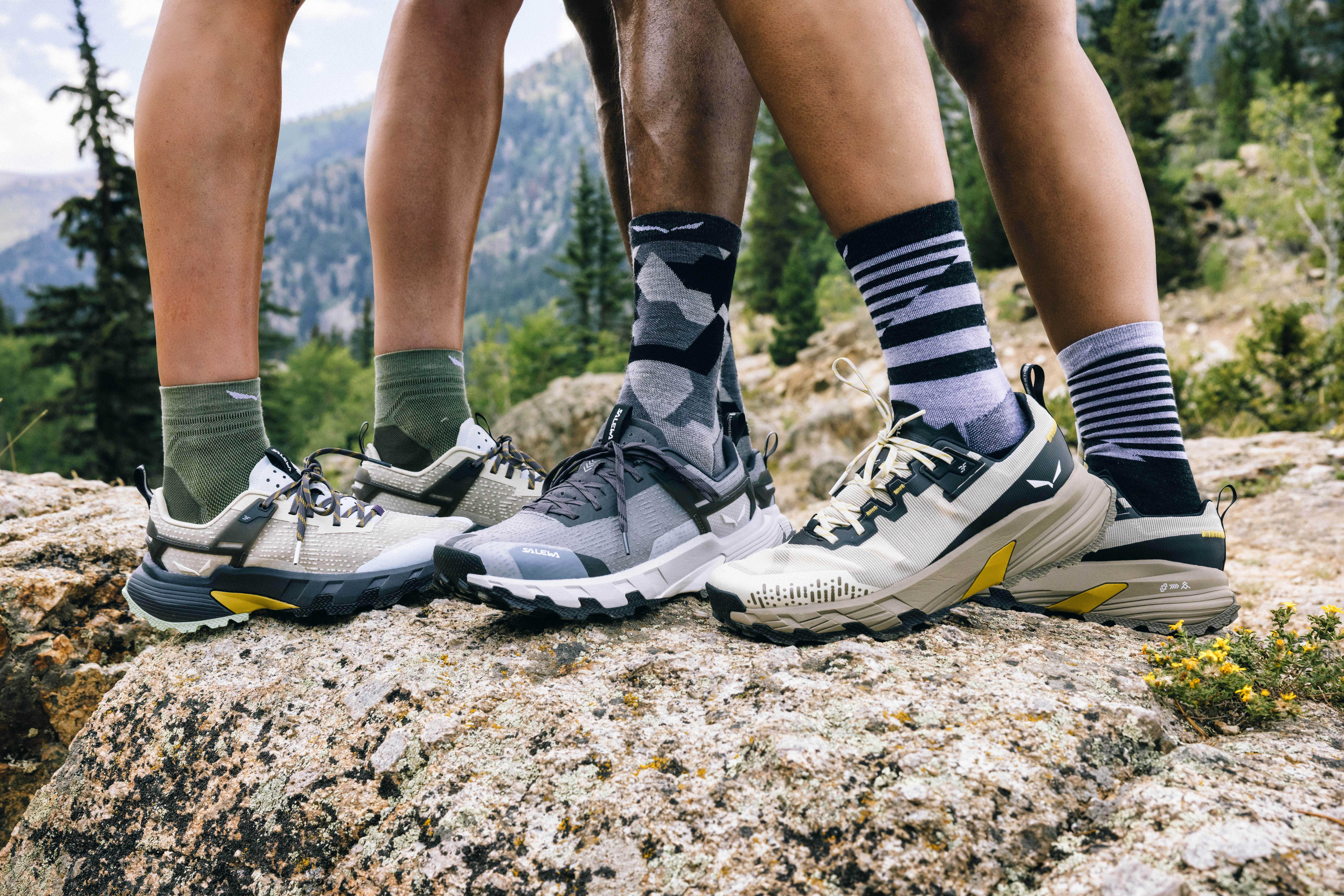
The Pedroc 2 PTX sits in the middle of the approach-to-hiking spectrum, with a Michelin outsole that handles moderate rock terrain better than a pure hiking shoe but offers more cushion than a strict approach model. The Pomoca-derived outsole compound grips on wet rock, and the PTX waterproof membrane keeps feet dry on shoulder-season trail. A strong pick for hikers who cover mixed terrain and want one shoe that handles both. Not as aggressive on technical rock as the Wildfire NXT, but significantly more comfortable over long trail miles.
| Men’s |
Women’s |
Best Full-Day Hiking Boot: Scarpa Terra GTX
The Terra GTX has been one of the most durable and dependable hiking boots in Scarpa’s lineup for years. Full-grain leather upper, GORE-TEX waterproofing, and a Vibram Drumlin outsole built for long-haul durability on everything from dirt trail to talus fields. Not a technical approach shoe, but for someone who wants a bomber, do-everything boot for backpacking, peak bagging, and long trail days in variable conditions, the Terra GTX remains one of the best answers in its price range.
Can You Hike in Approach Shoes?
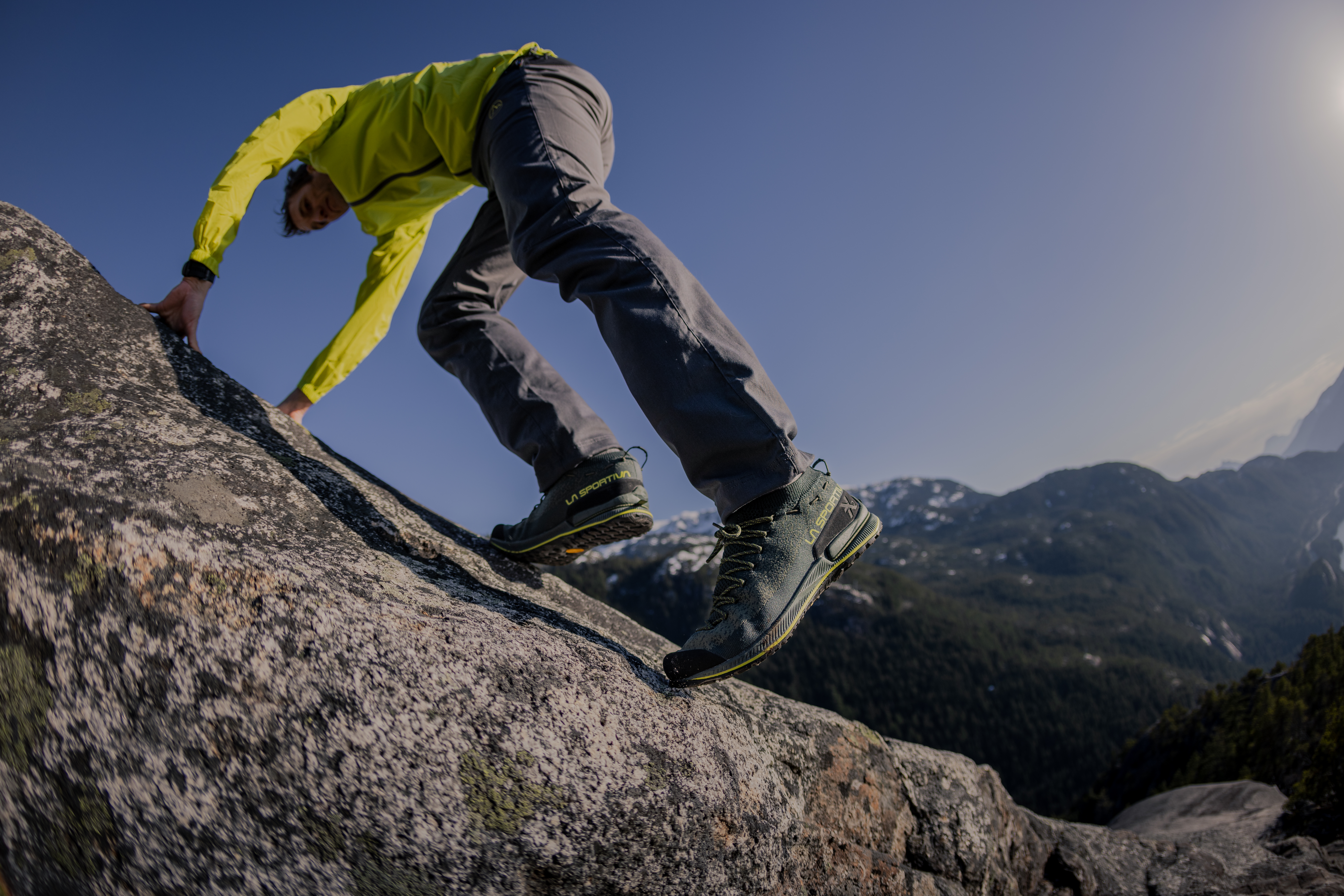
Yes. Approach shoes handle moderate trails well and many hikers use them exclusively for mixed terrain days. The tradeoff is cushion. On long flat trail miles, the minimal midsole of an approach shoe will fatigue your feet faster than a dedicated hiking shoe. On technical terrain, scrambling sections, or rocky trails where grip and foot feel matter, approach shoes perform better. For a day that mixes trail hiking with rock scrambling, approach shoes are often the smarter choice. For a long backpacking trip on maintained trail, bring the hiking shoes.
Approach Shoes vs Trail Runners
Trail runners and approach shoes are both lightweight, both low-profile, and both popular with the fast-and-light crowd. The difference is rubber and rand. Trail runners use durable rubber optimized for traction on dirt and roots. Approach shoes use sticky climbing rubber and a protective rand for traction on rock. If your objective is purely running or fast hiking on trail, a trail runner is the better tool. If you are crossing rock terrain where grip and foot placement precision matter, an approach shoe is the right call. The Salewa Pedroc 2 PTX bridges this gap well for hikers who want trail running comfort with better rock performance.
Frequently Asked Questions
What is the difference between approach shoes and hiking shoes? Approach shoes use sticky climbing rubber and a protective rubber rand to grip rock on technical terrain. Hiking shoes use harder rubber and more cushion for sustained trail mileage. Approach shoes are lighter and more precise. Hiking shoes are more supportive and durable over long distances.
Can I use approach shoes for hiking? Yes. Approach shoes handle moderate trails well. They lack the cushion of a dedicated hiking shoe, so they are less comfortable on long flat miles. For mixed terrain with scrambling sections, they are often the better choice.
Do I need approach shoes if I am a beginner? If you are hiking to climbing objectives or scrambling on technical rock, approach shoes are worth the investment. If you are sticking to maintained trails without rock scrambling, a hiking shoe is the better choice.
What makes approach shoe rubber different? Approach shoe rubber is a soft, sticky compound similar to climbing shoe rubber. It is designed to grip smooth and textured rock when smeared or edged. Hiking shoe rubber is harder and more durable but does not grip bare rock as well.
Are approach shoes good for trail running? No. Approach shoes lack the cushion, flexibility, and heel-to-toe drop of a trail runner. They are not designed for running and will fatigue your feet quickly on sustained running terrain.
How long do approach shoes last? Approach shoes typically last 400 to 600 miles depending on terrain and use. The rubber sole wears faster on abrasive rock than on dirt trail. Resoling is an option for most approach shoes and typically costs $50 to $70.
The Right Shoe for the Right Terrain
Approach shoes and hiking shoes each do their job well. The mistake is trying to make one do both at full performance. If you are heading to the rock, grab the Rapid XT or the Wildfire NXT. If you are on trail for the day, the Rush 2 Pro GTX or Pedroc 2 PTX will serve you better. If you are doing both regularly, own both. All of the shoes in this post are in stock at Campman with free shipping on orders over $50.
About the Author
 Derek Newman
Born in the Wasatch, Derek has had an affinity for mountain life since day one. He was on skis the year he learned to walk, and as a high school graduation present he gifted himself rock climbing lessons. Nearly two decades later, Derek spends most of his time climbing up and/or skiing down most of the mountains around Salt Lake City, and he’s traveled around the world multiple times for the sole purpose of peak exploration. When he isn’t a man about camp, he’s working in Campman’s content marketing crew writing up blogs about backcountry skiing or rock climbing as well as describing products that he’s used personally. He’s climbed in most climbing shoes, toured on most backcountry skis, and ridden the resort on skis, snow
Share on: