
Best Beginner Backcountry Ski Zones in Utah's Wasatch Range
Posted by Derek Newman on 6th Jan 2023
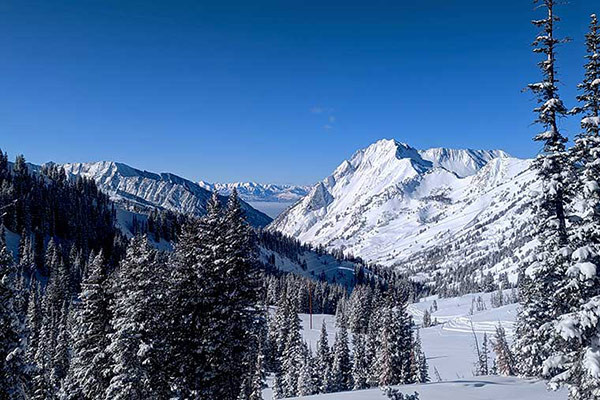
Salt Lake City sits at the base of some of the best backcountry skiing on earth, and two zones stand out as the right place to start. Grizzly Gulch in Little Cottonwood Canyon and Mill D North Fork in Big Cottonwood Canyon are the Wasatch's most approachable touring zones for beginners, each offering low commitment skinning, moderate terrain, and easy road access.
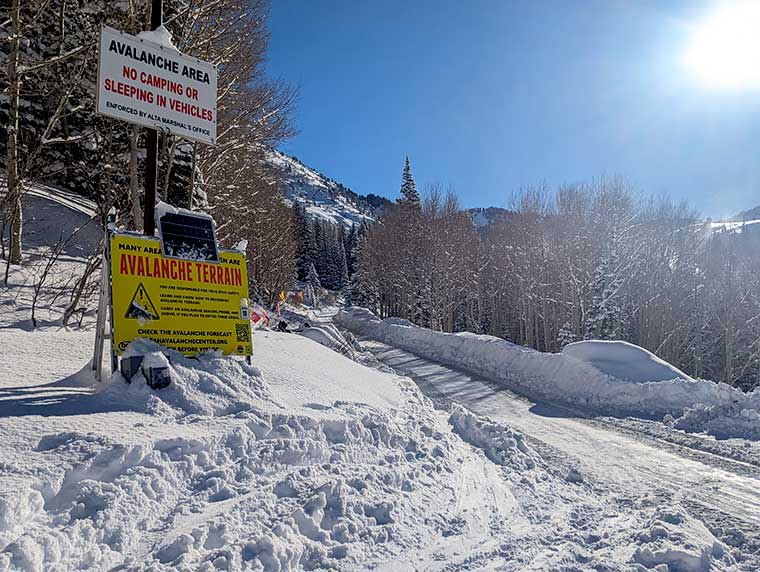
Backcountry travel carries real avalanche risk regardless of terrain choice. Before touring either zone, take a Level 1 avalanche safety course and an avalanche rescue course. Nothing in this post should be treated as avalanche controlled terrain.
Grizzly Gulch vs Mill D North Fork At A Glance
| Zone | Canyon | Best For | Parking | Avalanche Exposure |
| Grizzly Gulch | Little Cottonwood | Powder days, scenic touring | Paid, check Alta's lot rules | Moderate to high near summits |
| Mill D North Fork | Big Cottonwood | Mellow tree runs | Free | Lower on Short Swing, higher on Powder Parks |
Grizzly Gulch, Little Cottonwood Canyon
Where Do You Park For Grizzly Gulch?
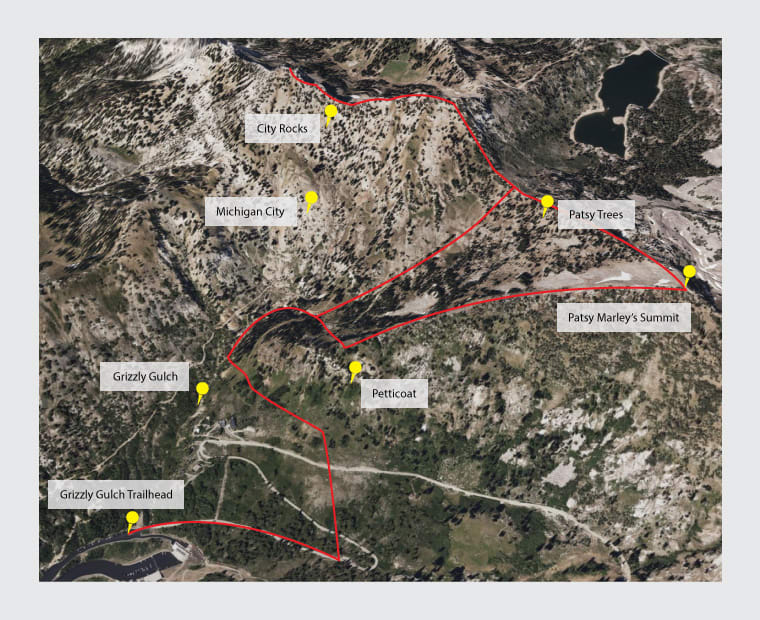
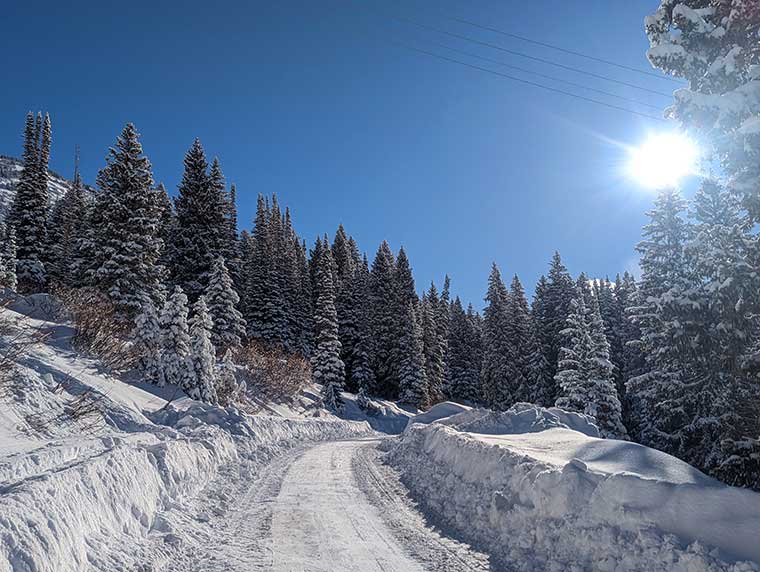
The trailhead sits just above Alta Ski Resort's parking lots. Check Alta's parking page for any paid reservation requirements before you go. The first mile of skinning climbs above Little Cottonwood Canyon with open views the whole way up, a good stretch for beacon drills or a first snow pit.
What's The Main Skin Track Like?
The main track wraps around the base of a run called Petticoat, then climbs to Twin Lakes Pass, the saddle between Honeycomb Ridge and Patsy Marley. Honeycomb sits to the left, with Solitude Ski Resort on the far side of that summit, and Patsy Marley to the right, home to the best summit views of any zone in this guide.
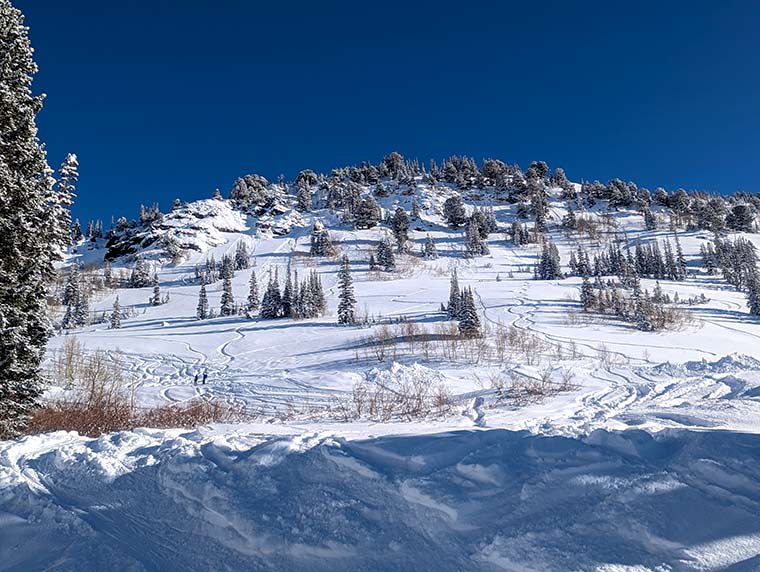
Is Honeycomb Ridge Good For Beginners?
Honeycomb Ridge generally runs lower angle and gets skied out first when avalanche danger rises, making it the safer of Grizzly Gulch's two main options, though steeper sections still exist and full avalanche training is required regardless. Michigan City is the most popular line here, and City Rocks lives up to its name with a rockier, thinner snowpack from sun exposure.
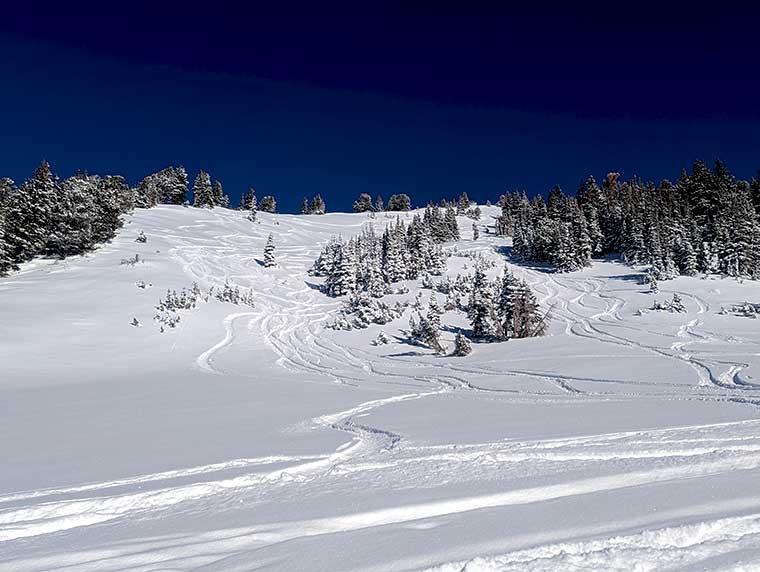
What Makes Patsy Marley Different?
Patsy Marley sits on the shady side of the gulch, holding a deeper snowpack and better powder retention. Trees fill the space between Petticoat and the summit, with a run called Patsy Trees between Twin Lakes Pass and the peak. The summit itself is the most avalanche prone terrain in the entire zone, averaging over 25 degrees, and sits directly above the main skin track where other tourers are often standing. Beyond Patsy Marley is Wolverine Cirque, expert only terrain with some of the best chutes in the Wasatch.
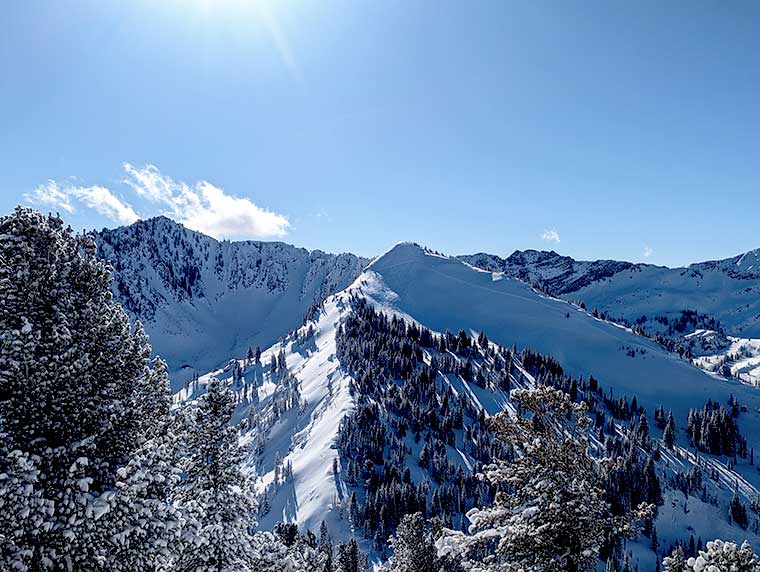
Mill D North Fork, Big Cottonwood Canyon
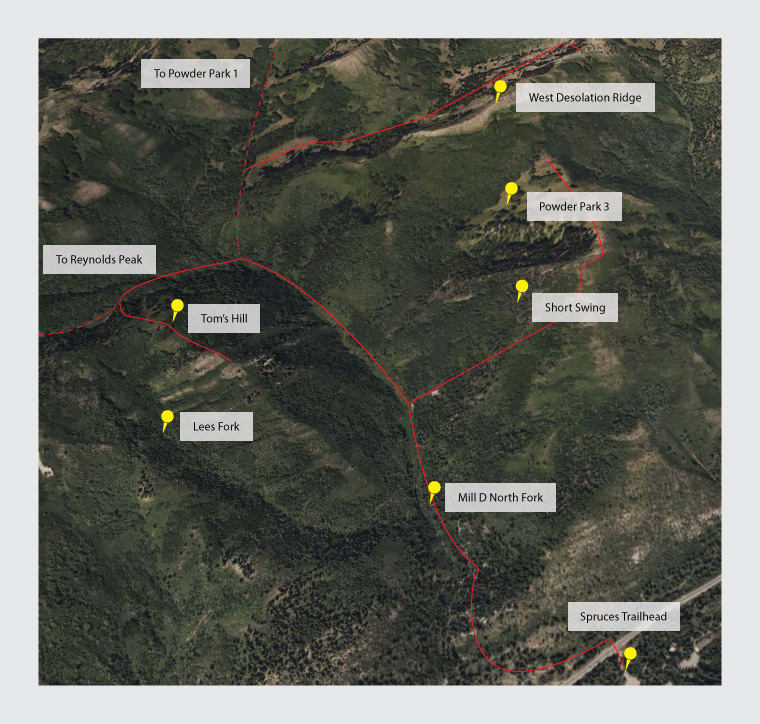
Where Do You Park For Mill D?

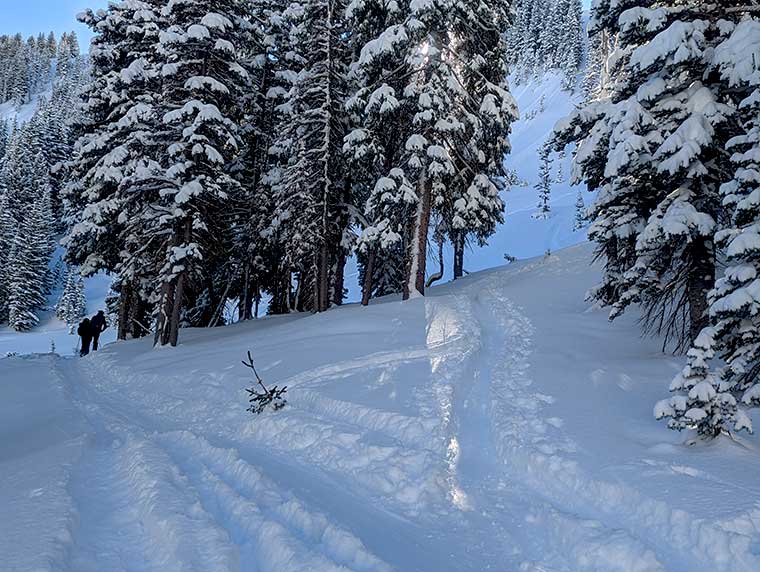
Mill D sits about two thirds of the way up Big Cottonwood Canyon, just before Solitude Ski Resort. Parking is free and clearly marked, unlike Grizzly Gulch. A short road crossing leads to the skin track, which climbs past a cluster of homes before reaching a gate that marks the start of the tour proper. From there, the main track continues to Sheep Shit Ridge above Powder Park 1, with side tracks branching off toward various tree runs.
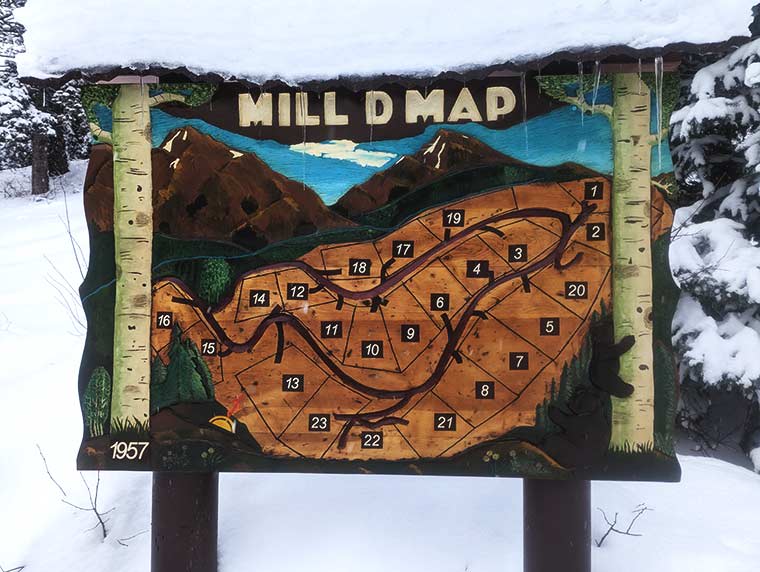
What's The Safest Run In Mill D On High Avalanche Danger Days?
Short Swing is the first turnoff on the main track and the standout choice on higher danger days. It reads as low angle for most of its length, though small steep pockets exist throughout, and local backcountry skiers consistently rank it among the best beginner and visitor friendly lines in the Wasatch.
What Is Tom's Hill Known For?
Tom's Hill sits past Short Swing and appears in Bruce Tremper's book Staying Alive in Avalanche Terrain, where he notes he has never personally seen a slide there in decades of touring. That track record does not make the slope immune. Any skiable slope can slide, and Tom's Hill remains a favorite on powder days. Weathering Heights on the far side offers an enjoyable exit once Tom's Hill gets tracked out.
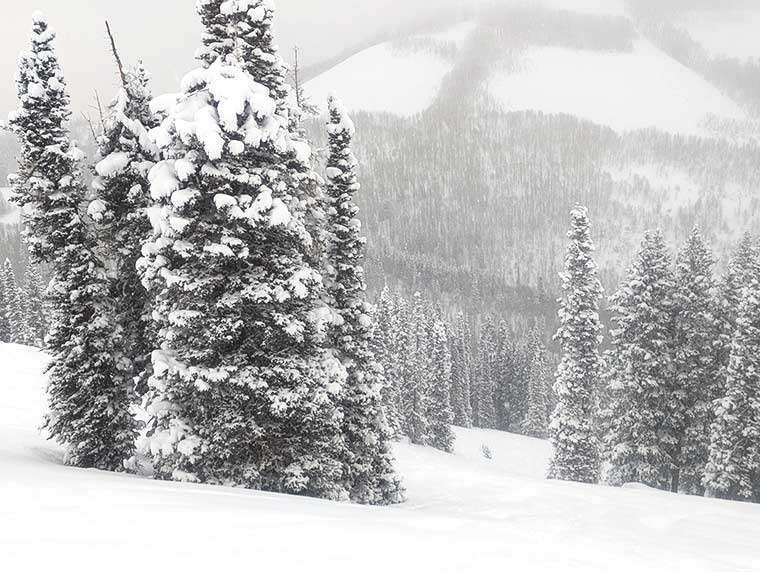
Are The Powder Parks Beginner Friendly?
The three Powder Parks earn their name on fresh snow days and were once considered low risk, though Powder Park 3 has slid in past seasons, a reminder to stay alert even in terrain with a good track record. When conditions and avalanche danger allow, a tour up to Reynolds Peak adds a strong view of Big Cottonwood Canyon along with solid peak riding. Between the three parks, Tom's Hill, Weathering Heights, and Short Swing, Mill D offers a full day of touring in comparatively lower risk terrain.
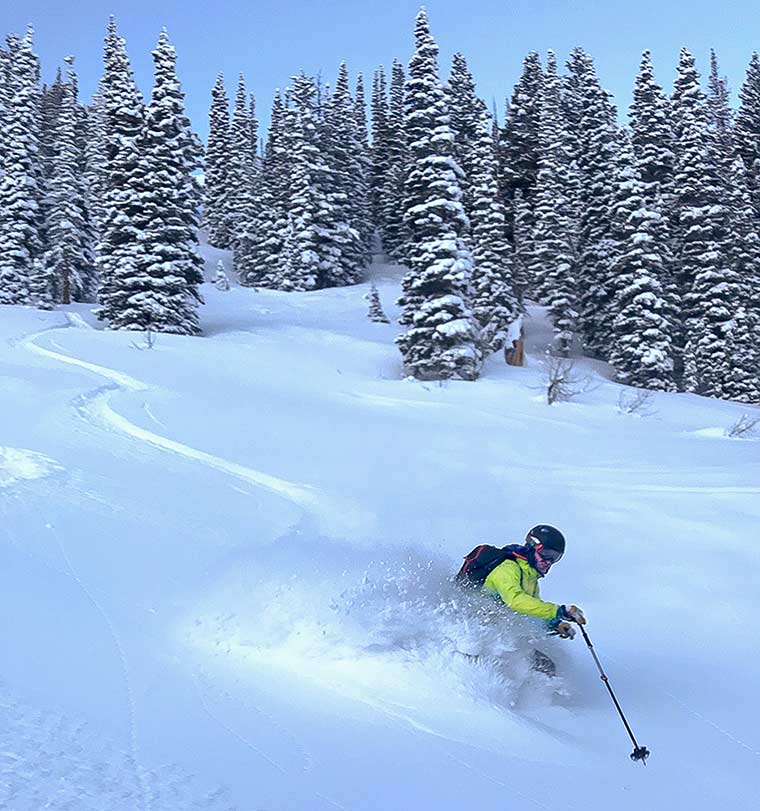
Recommended Gear For Beginner Backcountry Touring
Both zones in this guide are approachable, but avalanche terrain is avalanche terrain. A transceiver, probe, shovel, and skins built for the conditions are non negotiable before you head up either canyon.
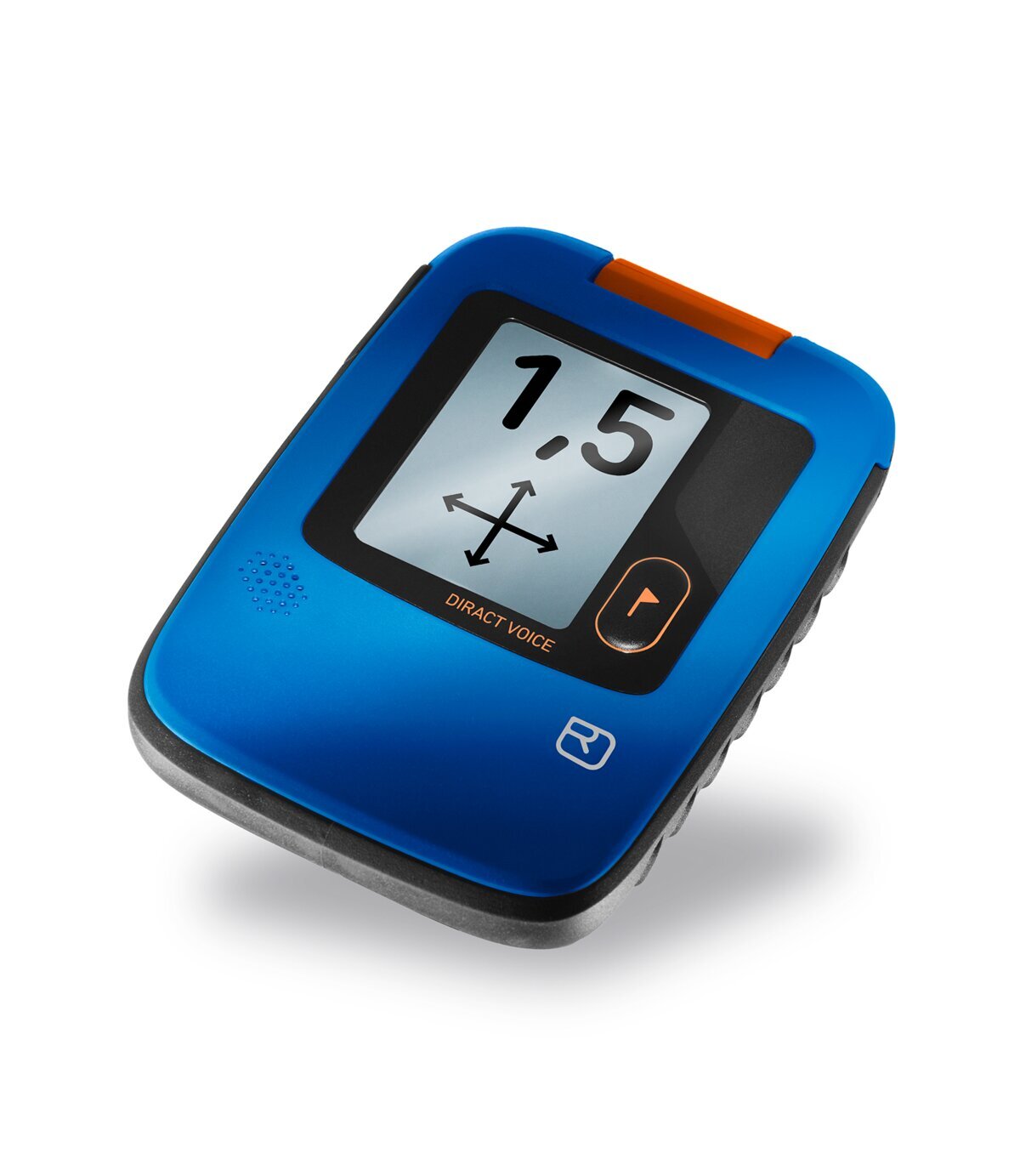
Ortovox Diract Voice
Simple three antenna searching with voice guided prompts, a solid pick for a first transceiver and a natural fit for beginner tours through Grizzly Gulch or Mill D.

BCA Tracker 4
A reliable, no frills transceiver that plenty of Wasatch guides carry, with a straightforward interface that's easy to learn on your first avalanche course.



POMOCA Climb Pro Mohair
A mohair skin that climbs quietly and glides well on firm morning snow, a good match for early starts out of Alta on Grizzly Gulch tours.

POMOCA Tour Pro
A mohair and synthetic blend built for durability across a full season of touring, a practical choice if you're covering both Grizzly Gulch and Mill D on a regular rotation.

Frequently Asked Questions
Do I need an avalanche course before backcountry skiing in the Wasatch?
Yes. A Level 1 avalanche safety course and a separate avalanche rescue course are strongly recommended before traveling in any Wasatch backcountry terrain, including the beginner friendly zones covered here.
Which zone is better on high avalanche danger days, Grizzly Gulch or Mill D?
Mill D North Fork, specifically Short Swing, is generally the safer choice on higher danger days due to its consistently lower angle terrain.
Is parking free for these backcountry zones?
Mill D North Fork has free parking. Grizzly Gulch parking is above Alta Ski Resort's lots and may require a paid reservation, so check Alta's parking page ahead of time.
What gear do I need for beginner backcountry ski touring?
At minimum, an avalanche transceiver, probe, and shovel, plus an alpine touring or splitboard setup with climbing skins. A packed daypack with layers, water, and emergency supplies rounds out the basics. See the gear picks above for specific transceiver and skin recommendations.
Best time of year to tour Grizzly Gulch and Mill D?
Both zones are typically skiable from December through April, with stable early season conditions varying year to year based on snowpack. Always check the current Utah Avalanche Center forecast before heading out.
Of course, there are even more downhill options in both Big D and Lil' Griz beyond what's covered here. Regardless of avalanche conditions, take an avalanche safety course and an avalanche rescue course before touring on your own. For a full map of both canyons, check out Wasatch Backcountry Skiing.
Share on: