
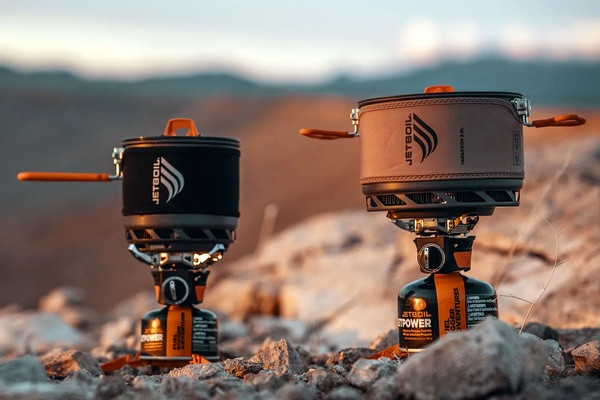
Beyond Boiling Water: Real Backcountry Cooking with the Jetboil TrailCook
Posted by Derek Newman on 4th Aug 2026
Most backpacking stoves are built around one job. Get water hot as fast as possible so you can pour it into a bag and wait ten minutes. That's fine when you're racing miles or trying to shave grams, but it's not cooking. The Jetboil TrailCook was built to close that gap, and after enough nights testing it in the Wasatch and the Uintas, it's earned a permanent spot in the kitchen kit.
Why Backcountry Cooking Has Been Stuck at "Add Boiling Water"
|
Standard canister stoves are built for speed, and that means an unregulated flame that runs hot no matter what you're trying to do with it. Great for melting snow or flash boiling two cups of water. Terrible for a simmer, and even worse for anything that needs even heat across the bottom of a pot. Add in a thin aluminum pot that scorches the second you look away, and you can see why most backcountry meals top out at "pour and stir." The TrailCook changes both halves of that equation. It runs on a regulated pressure system that holds a consistent flame even as your fuel canister gets cold and the pressure inside it drops, which is the same reason your stove sputters on the third night of a trip when a cheaper system would. Pair that with a ceramic-coated pot that actually distributes heat instead of just absorbing it in one hot spot, and you've got a setup that can hold a real simmer, not just a rolling boil. |
Meet the TrailCook Line
Jetboil makes the TrailCook in two sizes, and the right one comes down to how many people you're feeding and how much kitchen you want to carry. Here's how they stack up.
 |
 |
Jetboil TrailCook Comparison
| TrailCook 1.2L | TrailCook 2.0L |
|---|---|
| $179.99 | $199.99 |
| Solo trips and duos | Groups of 3 to 4 |
| Ceramic-coated aluminum | Ceramic-coated aluminum |
| Regulated, adjustable simmer | Regulated, adjustable simmer |
| Solo dinners, fly fishing mornings | Basecamp cooking, hut trips |
| Compact, single-pack friendly | Larger, best split or car-based |
TrailCook 1.2L: The Solo Backcountry Chef
The 1.2L is built for the trip where you're cooking for yourself, or maybe splitting duty with one other person. Picture a solo overnight along a Wasatch creek or a morning parked at a fly fishing spot in the Uintas where breakfast should be more than instant oats. This is the size that turns those mornings into an actual meal instead of a chore you rush through before the trout stop biting.
Because it holds a real simmer, you can sear a piece of trout you caught that morning, brown some onions for a quick hash, or reduce a sauce instead of just dumping hot water into a bag and hoping for the best. It's still light enough to carry solo, but it does more work once you're actually at camp.


TrailCook 2.0L: Cooking for the Crew
Scale the same idea up and you get the 2.0L, which is where the TrailCook starts feeling less like a backpacking stove and more like a dutch oven you happen to be carrying in your pack. This is the size for a Uinta basecamp with three or four people, or a ski hut trip where somebody has to be in charge of dinner and doesn't want to serve another round of instant noodles.
The extra volume means you can actually cook a one-pot meal for a group instead of running the stove twice, and the same regulated heat and ceramic pot that make the 1.2L good at searing make the 2.0L good at holding a low, even simmer for something that needs twenty minutes on the fire, not two.
Compared to Older Jetboils
|
Previous Jetboils like the MiniMo and Flash lock the pot onto the burner with a metal ring, which is great for stability but means the pot is basically married to that one burner. The TrailCook drops the lock in favor of three folding support arms the pot simply rests on. You give up a little bit of that locked-in security, but you get a lot more flexibility in return. Pouring boiling water is easier since you're not fighting a locking mechanism to lift the pot off, and you can switch the TrailCook out with accessories like Jetboil's Summit Skillet, which just sits on the same open support arms instead of needing its own dedicated locking base. |
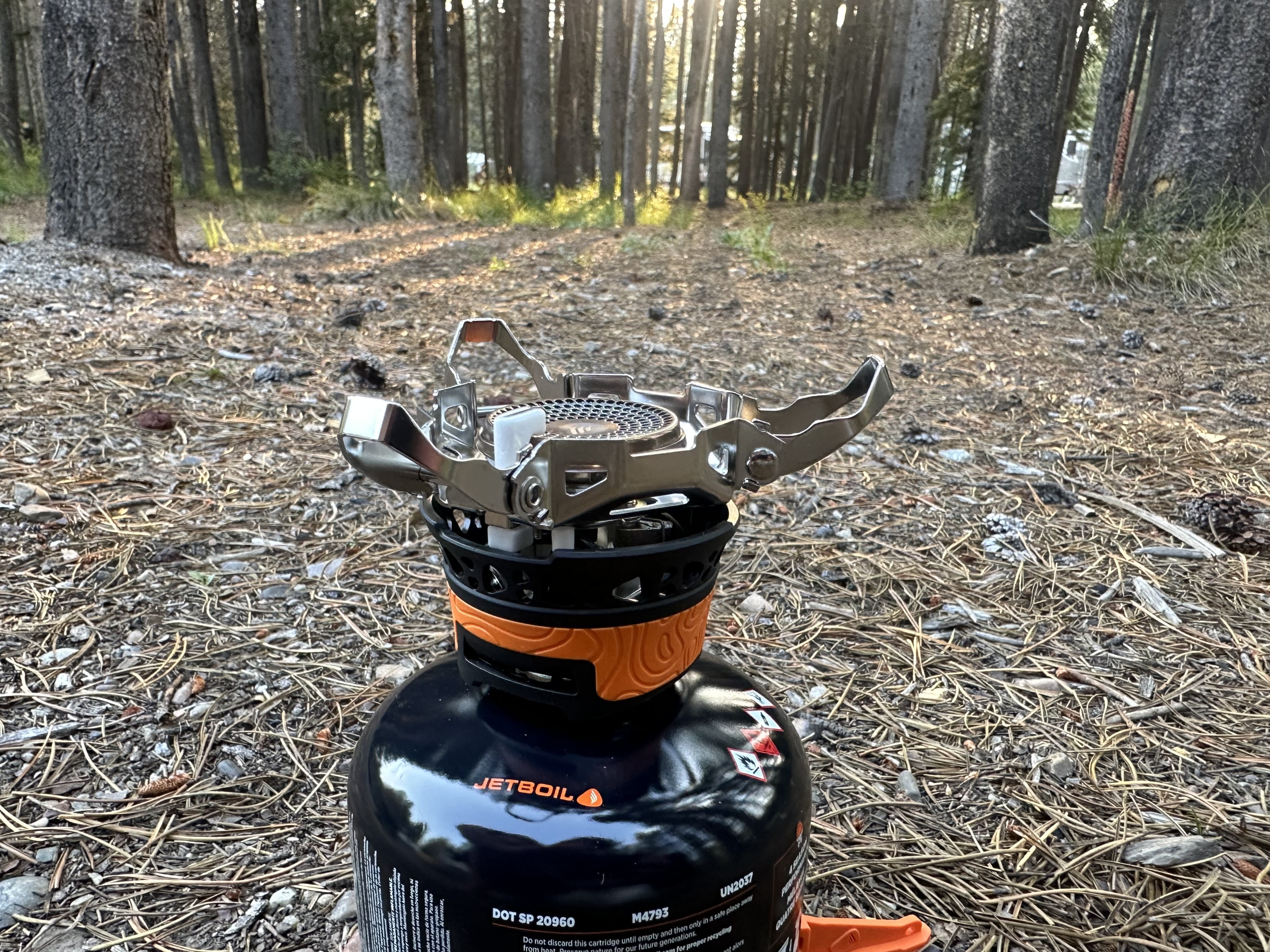
Refined Lid
| There's an art to pouring Jetboils, and plenty of us were never artistic enough to learn how to do it. Jetboil finally redesigned the entire lid: new construction, new handles, and most importantly, a new pour. Jetboils no longer pour all over your kitchen anymore! The side handles fold shut to lock the lid in place, and there are heat-friendly rubber sections for touching without burning yourself. |
Care and Simmer Control Tips
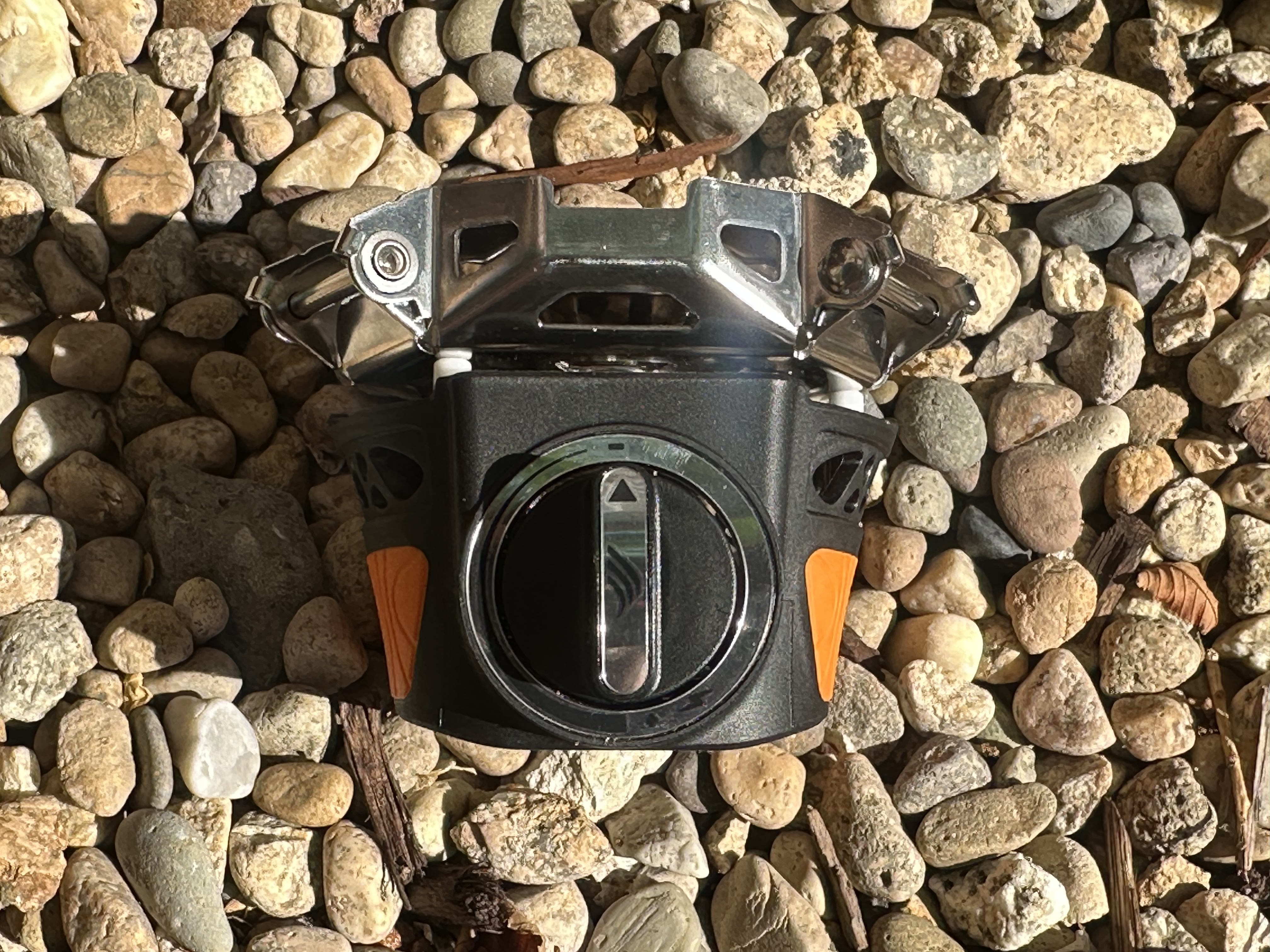
Getting a true low simmer at altitude takes a little practice. Start with the flame higher than you think you need, get the pot up to temperature, then dial it back gradually instead of trying to start low. Canisters run colder and lose pressure faster above 9,000 feet, so keeping a spare canister inside your jacket or sleeping bag before you cook helps keep the regulator working the way it's designed to.
| The ceramic coating is the reason food doesn't stick the way it would in a bare aluminum pot, but it still deserves basic care. Let the pot cool before washing it, avoid metal utensils that can scratch the coating over time, and a soft sponge is all you need for cleanup even after something sausage and veggies. |
Is the TrailCook Worth the Extra Price Over Older Jetboil Models?
Here's the real math. A standard Jetboil Flash 1.0L runs about $144.99, and the larger Flash 1.8L runs $164.99. Step up to the TrailCook 1.2L at $179.99 and you're paying roughly $35 more than a base Flash 1.0L, and the TrailCook 2.0L at $199.99 runs about $35 more than a Flash 1.8L. That's a real jump, so it's worth being honest about what you're paying for.
What you're not paying for is a fancier version of the same stove. The Flash line was never meant to cook, it was built to get water hot as fast as possible and get you back on the trail. The TrailCook is a different tool. The regulated pressure system and ceramic-coated pot are what let you hold a real simmer instead of an on-off flame, and that's the difference between rehydrating a meal and actually cooking one.
It's also worth pointing out that the TrailCook isn't priced above Jetboil's older cooking-focused stoves either. The MiniMo, which was previously Jetboil's answer to "more than boiling," runs $179.99, the same price as the TrailCook 1.2L. So the real comparison isn't old Jetboil versus new Jetboil, it's Fast Boil versus Precision Cook. If your trips are mostly coffee, soup, and dehydrated meals, a Flash or Zip will save you money and pack weight, and you won't be paying for capability you're not using. If you're the person who wants a seared trout breakfast or an actual pot of chili at camp, the extra $35 buys you a stove that can genuinely do that, and it's priced right in line with what Jetboil's cooking-capable stoves have always cost.
| Model | Best For | Weight | Volume | Boil Time | Power |
|---|---|---|---|---|---|
| Jetboil Flash 1.0L | Solo or duo, fast boil | 13.1 oz | 32 fl oz (1L) | 120 sec | 5,300 BTU/h |
| Jetboil Flash 1.8L | Groups of 2 to 4 | 16 oz | 60 fl oz (1.8L) | 4 min 30 sec per 32 oz | 5,300 BTU/h |
| Jetboil TrailCook 1.2L | Solo cooking, 1 to 2 people | 19.4 oz | 33 fl oz (1.2L) | 2 min 15 sec per 16 oz | 6,000 BTU/h |
| Jetboil TrailCook 2.0L | Groups of 2 to 4 | 22.2 oz | 67 fl oz (2.0L) | 4 min 15 sec per 32 oz | 6,000 BTU/h |
| Jetboil Stash | Ultralight backpacking, 1 to 2 people | 7.1 oz | 27 fl oz | 2 min 30 sec per 16 oz | 4,500 BTU/h |
| Jetboil Zip | Backpacking, solo thru-hiking | 11.4 oz | 27 fl oz (0.8L) | 120 sec | 5,300 BTU/h |
Jetboil Flash 1.0L Fast Boil System
|
Jetboil Flash 1.8L Fast Boil System
|
||||
Jetboil Stash Cooking System
|
Jetboil Zip 0.8L Fast Boil System
|




TrailCook Cookbook
This is the part that actually proves the point. None of these are complicated, they're just real food that only works if your stove can actually hold a temperature instead of running hot or nothing.
Couscous, Sausage, and Roasted Broccoli
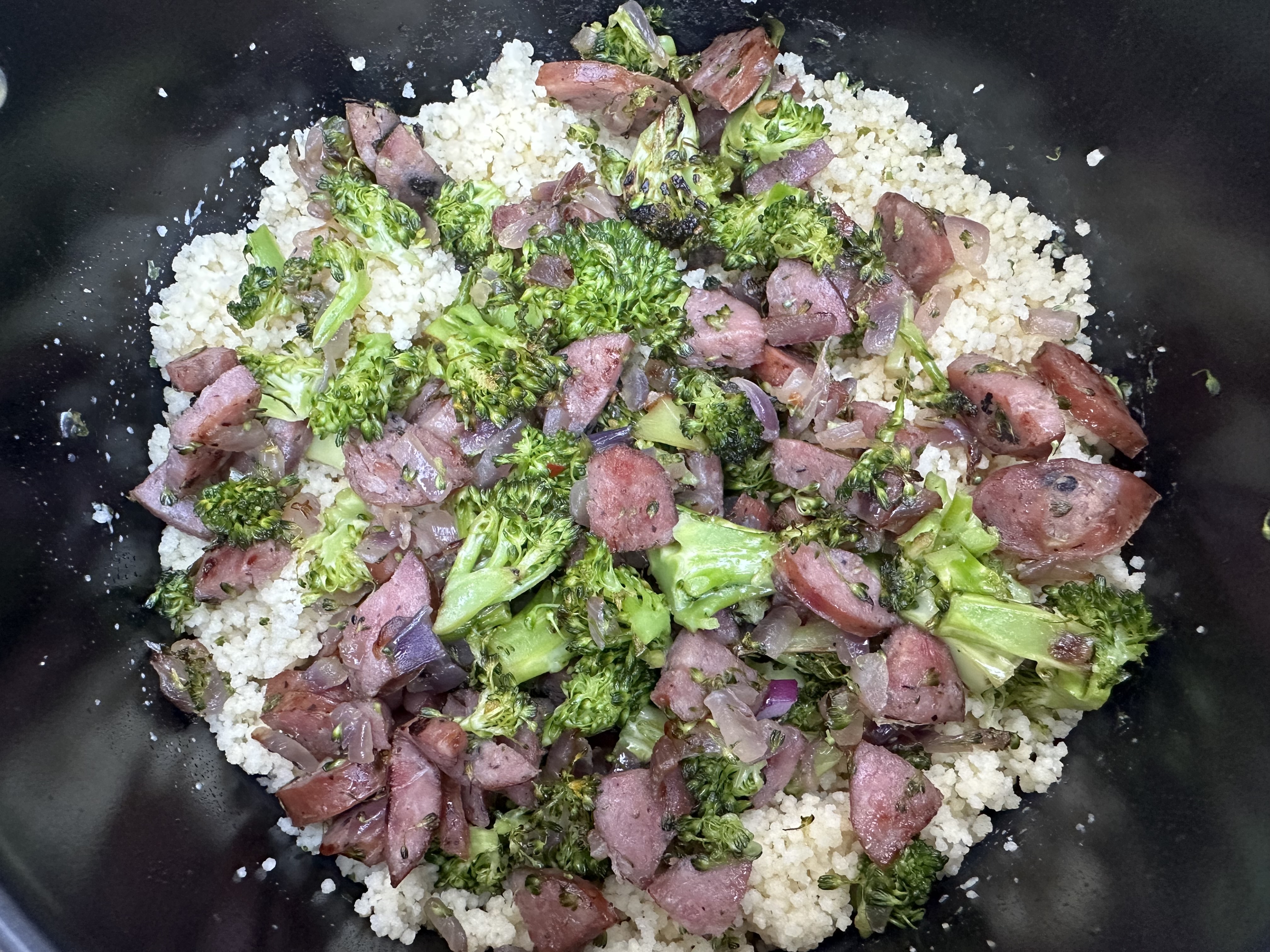
Heat a little oil in the pot and toss in chopped broccoli and onion, letting them sit undisturbed on a hard simmer until the edges char and soften. Push them to the side, add sliced precooked sausage, and warm through. Pour in couscous and just enough hot water to cover, then kill the heat, cover, and let it sit for five minutes off the flame. Fluff and mix everything together. The regulated heat is what lets the vegetables actually roast instead of steam, and keeps the sausage from scorching while you wait on the couscous.
Cheesy Macaroni
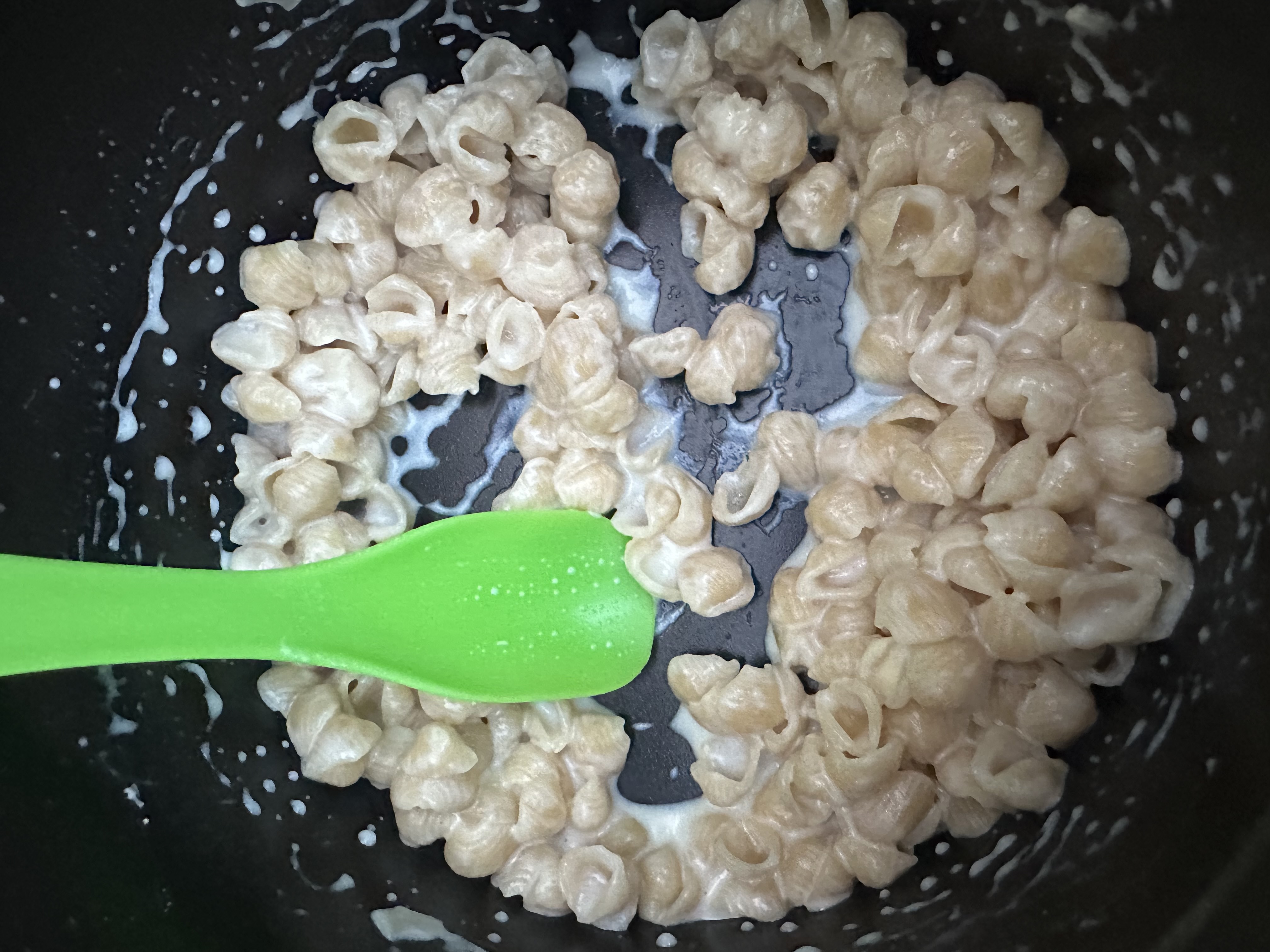
Boil noodles right in the TrailCook pot until just tender, then drain off most of the water, leaving a splash behind. Drop the heat to a low simmer, stir in powdered cheese sauce or a handful of shredded cheese with a splash of powdered milk, and stir until it comes together smooth. Cover for a minute if it needs to melt further. The steady low heat is what keeps the sauce from separating or catching on the bottom, which is exactly what happens on a stove that can only hold high or nothing.
FAQ: Jetboil TrailCook
Can you actually cook real food on a Jetboil?
Yes. The TrailCook line is built specifically for cooking, not just boiling water, using a regulated flame and a ceramic-coated pot that can hold a low simmer for searing, sauteing, and simmered one-pot meals.
What's the difference between the TrailCook 1.2L and 2.0L?
The 1.2L is sized for solo trips or two people, while the 2.0L is built for groups of three to four and works well for basecamp or hut-based cooking.
Is the TrailCook worth it over a standard backpacking stove?
If your meals are limited to pouring hot water into a bag, a standard stove is lighter and simpler. If you want to actually cook, sear, or simmer in the backcountry, the TrailCook's regulated heat and ceramic pot make that possible in a way most ultralight stoves can't.
Are the new Jetboil TrailCook stoves worth the extra price compared to older models?
Compared to Jetboil's Fast Boil line, yes if you actually want to cook. The TrailCook 1.2L runs about $65 more than a Flash 1.0L and the 2.0L runs about $35 more than a Flash 1.8L, and that gap buys you a regulated simmer and a ceramic-coated pot built for real cooking, not just boiling water. Compared to the MiniMo, Jetboil's previous cooking-capable stove, the TrailCook 1.2L is priced the same at $179.99, so it's not a price increase within that category, just an upgrade in what the stove can do.
Can you use a TrailCook pot on other stoves?
The TrailCook pot is designed to pair with Jetboil's stove base for the regulated heat and simmer control it's known for.
Bring the Kitchen With You
Whether it's a solo morning on a Uinta lake or a full crew at a Wasatch basecamp, the TrailCook is built for the trips where dinner should feel like dinner. Grab the 1.2L for solo and duo trips, or size up to the 2.0L when you're cooking for the group, and start bringing real meals to camp instead of just hot water.
About the Author
 Derek Newman
Born in the Wasatch, Derek has had an affinity for mountain life since day one. He was on skis the year he learned to walk, and as a high school graduation present he gifted himself rock climbing lessons. Nearly two decades later, Derek spends most of his time climbing up and/or skiing down most of the mountains around Salt Lake City, and he’s traveled around the world multiple times for the sole purpose of peak exploration. When he isn’t a man about camp, he’s working in Campman’s content marketing crew writing up blogs about backcountry skiing or rock climbing as well as describing products that he’s used personally. He’s climbed in most climbing shoes, toured on most backcountry skis, and ridden the resort on skis, snowboards, and even some evac sleds.
Share on: