
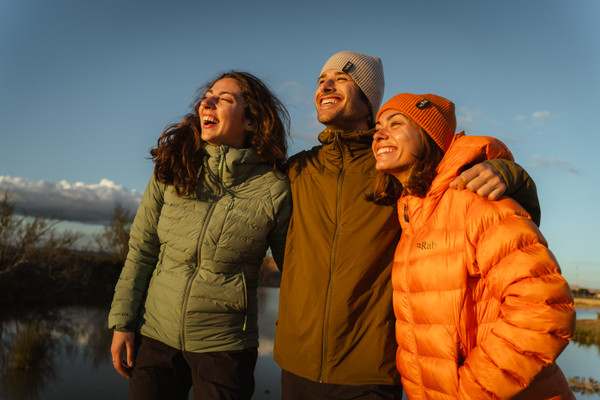
Down vs. Synthetic Insulation
Posted by Derek Newman on 8th Sep 2026
Fall in the Wasatch means one thing above almost anything else: temperature swings. Cold mornings, warm afternoons, and the occasional surprise storm all in the same day. Picking the right insulated layer can make or break a trip, and the choice usually comes down to one question. Down or synthetic?
Quick Answer Down insulation offers the best warmth for its weight and packs down smaller, making it ideal for dry, cold conditions like alpine climbing and winter hiking. Synthetic insulation keeps you warm even when wet and dries faster, making it the better choice for damp climates, high output activities, and anyone who wants low maintenance warmth.
Both do the same basic job. They trap warm air near your body so you stay comfortable when the temperature drops. But how they do it, and where each one shines, comes down to real differences in material and construction. We pulled two of our favorite Rab insulated jackets, one down and one synthetic, to walk through exactly how these two technologies stack up against each other.
How Down Insulation Works

Down is the soft, fluffy layer found underneath a duck or goose's feathers. Unlike feathers, down has no quill. It is made up of thousands of tiny filaments that radiate out from a central point, trapping huge amounts of air in the space between them. That trapped air is what creates warmth, and down does it better, pound for pound, than almost any other material on the market.
Down performance is measured in fill power, a number that tells you how many cubic inches one ounce of down will loft to. Higher fill power means more air trapped per ounce, which means more warmth for less weight. A 700 fill power down jacket, like the Rab Microlight Alpine, uses a high quality down that lofts efficiently, giving you serious warmth in a jacket that packs down small enough to stuff in a pack pocket.

The tradeoff with down is moisture. When down gets wet, the filaments clump together and lose their ability to trap air, and the jacket loses most of its warmth until it dries out. Most modern down jackets, including the Microlight Alpine, use a hydrophobic treatment on the down itself to resist moisture and slow this process down, but a soaked down jacket is still a down jacket that has lost its edge.
How Synthetic Insulation Works
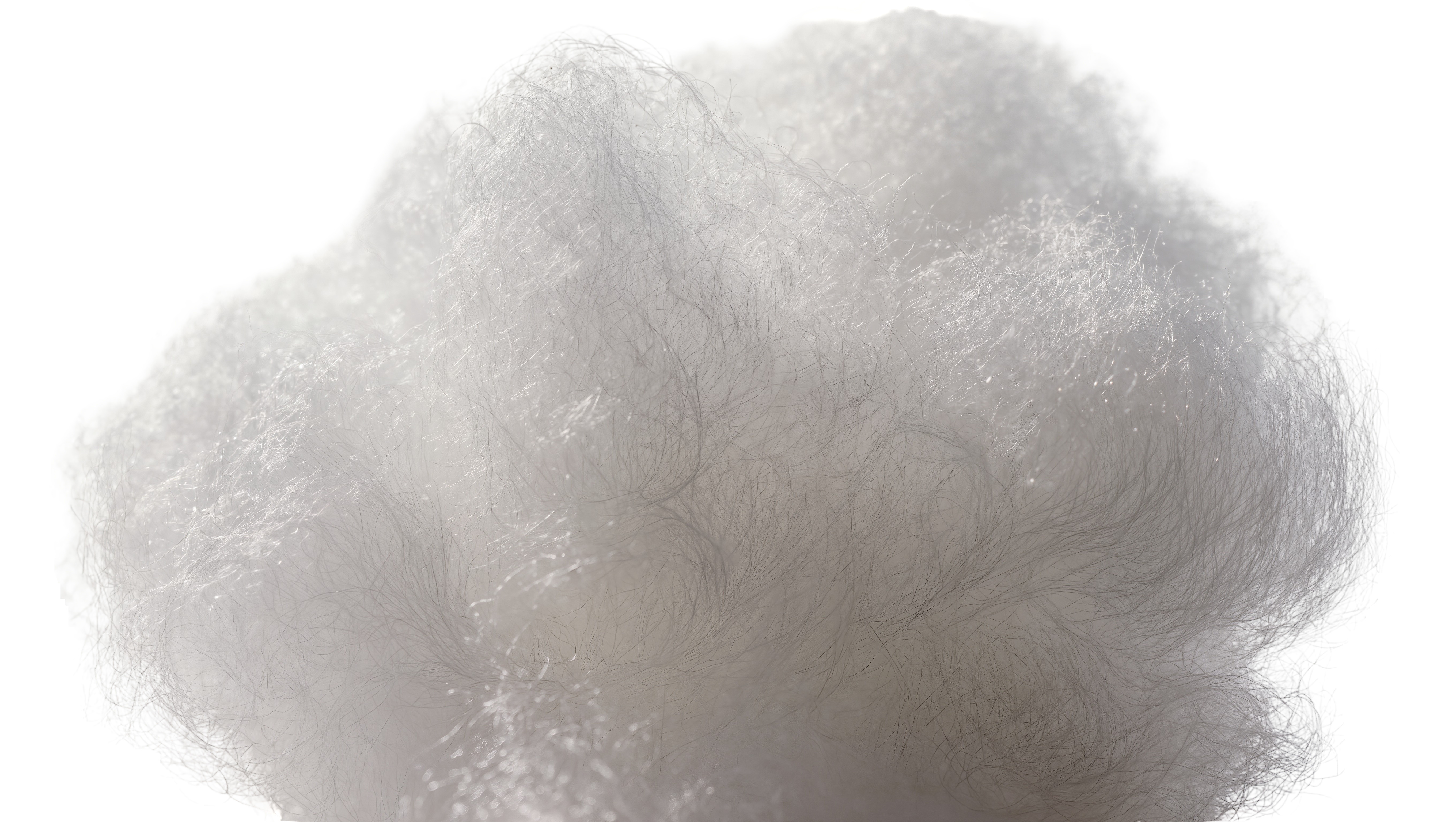
Synthetic insulation is built from polyester fibers engineered to mimic what down does naturally. Instead of relying on a natural filament structure, synthetic insulation uses fine polyester fibers, sometimes continuous strands and sometimes short, crimped ones, to create loft and trap warm air.
The biggest advantage synthetic insulation offers is performance in wet conditions. Polyester fibers do not absorb water the way down does, so a synthetic jacket keeps insulating even when it gets damp, and dries out much faster once you are out of the weather. This makes synthetic the more forgiving option for anyone who is hiking hard enough to work up a sweat, or heading out when the forecast is anything less than certain.
The Rab Xenair Alpine Light takes this a step further with body mapped insulation, using two different weights of PrimaLoft Gold Active+ fill placed strategically around the jacket. Heavier insulation sits across the front, back, and shoulders where you need warmth most, while lighter insulation runs along the sides and underarms where you generate the most heat during activity. The result is a jacket that regulates temperature on its own as your effort level changes, without you needing to stop and adjust layers.
Down vs. Synthetic: Side by Side
| Down (Rab Microlight Alpine) | Synthetic (Rab Xenair Alpine Light) | |
| Warmth to weight | Excellent, best in class | Very good, slightly heavier for equivalent warmth |
| Packability | Compresses very small | Compresses well, slightly bulkier than down |
| Wet weather performance | Loses loft when wet, hydrophobic treatment helps | Retains warmth even when damp |
| Dry time | Slow | Fast |
| Breathability during activity | Lower, better for static warmth | High, built for stop and go effort |
| Best for | Alpine climbing, winter hiking, cold static conditions | Backcountry touring, high output days, damp or unpredictable weather |
Rab Microlight Alpine Hoody
Rab Microlight Alpine Hoody
A 700 fill power recycled down jacket built for anyone who wants serious warmth without serious weight. Mapped micro and nano baffles keep the loft consistent through the body and shoulders while trimming bulk under the arms for a more comfortable fit, and a recycled Pertex Quantum outer keeps the whole package lightweight, breathable, and wind resistant. Harness compatible hand pockets and an adjustable hood round out a jacket equally at home layered under a shell on a cold summit push or worn on its own around town once the sun goes down.
Men's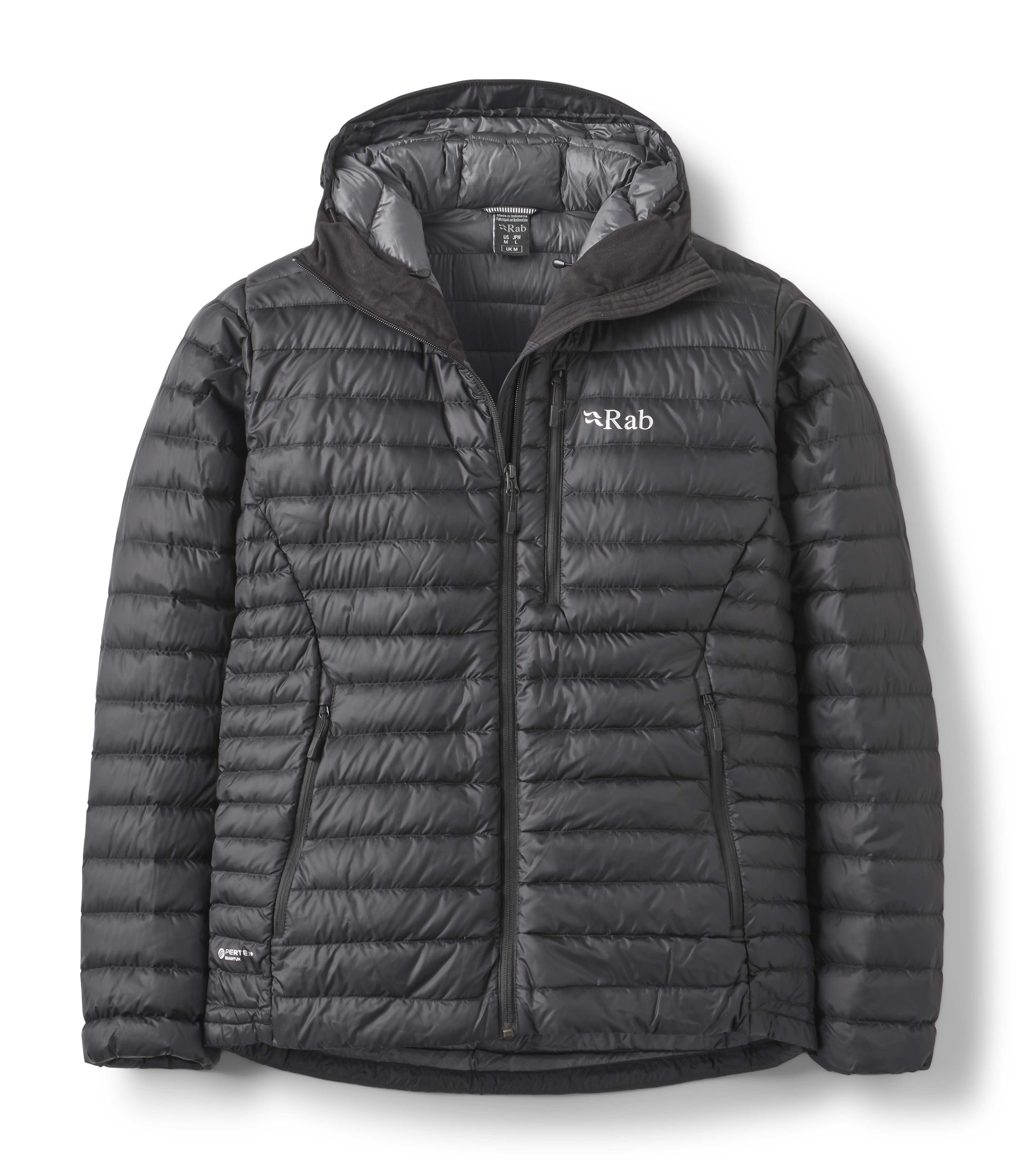
|
Women's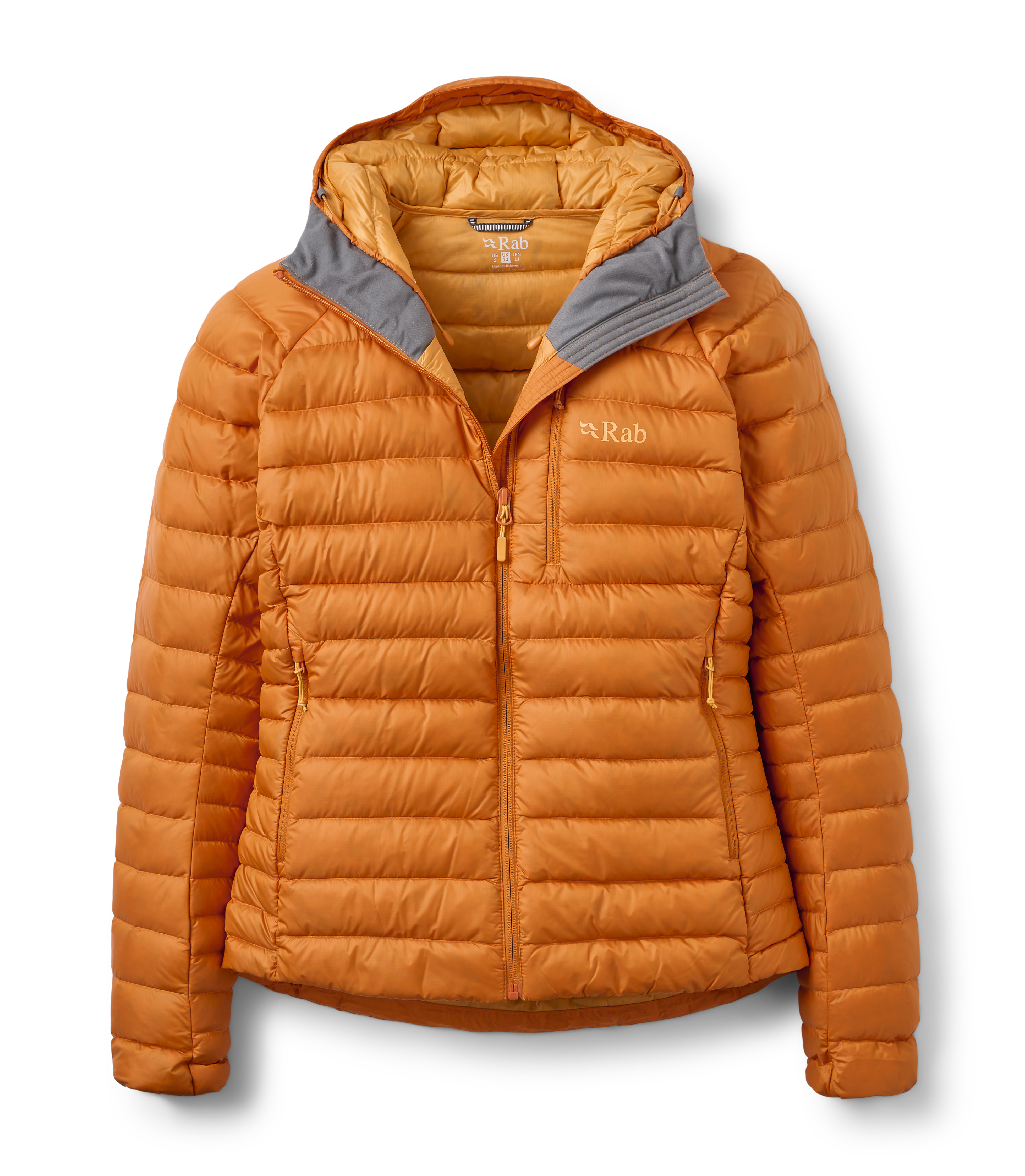
|


Rab Xenair Alpine Light Jacket
Rab Xenair Alpine Light Jacket
A synthetic insulated layer built for the stop and go rhythm of a real day outside. Dual weight PrimaLoft Gold Active+ insulation is mapped across the body to hold warmth where you need it and breathe where you generate heat, all wrapped in a windproof and water resistant Pertex Quantum Air shell. A close fitting, under helmet hood, three zippered pockets, and an inner chest pocket that doubles as a stuff sack make this jacket as functional on a fast fall hike as it is on a backcountry ski tour.
Men's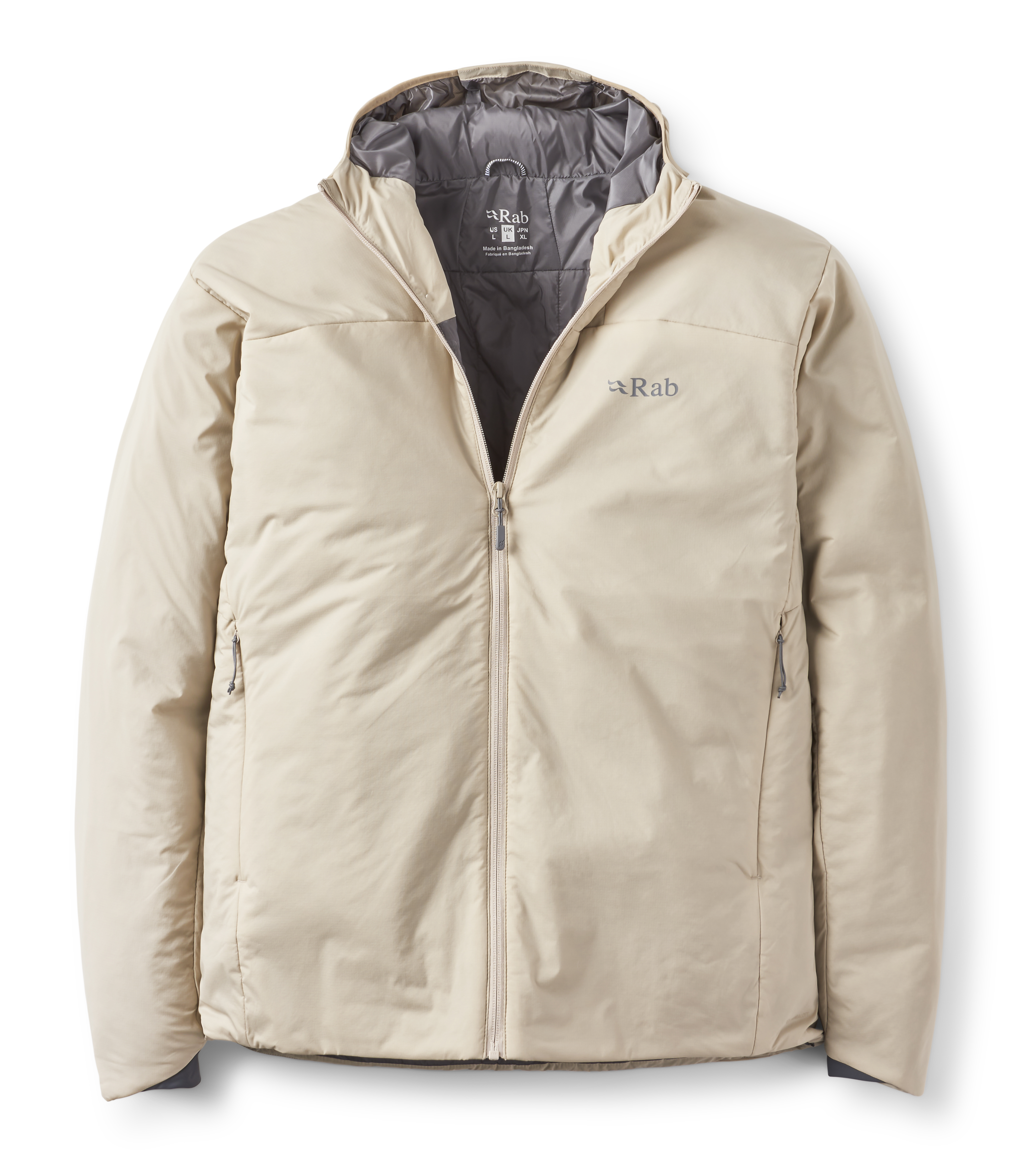
|
Women's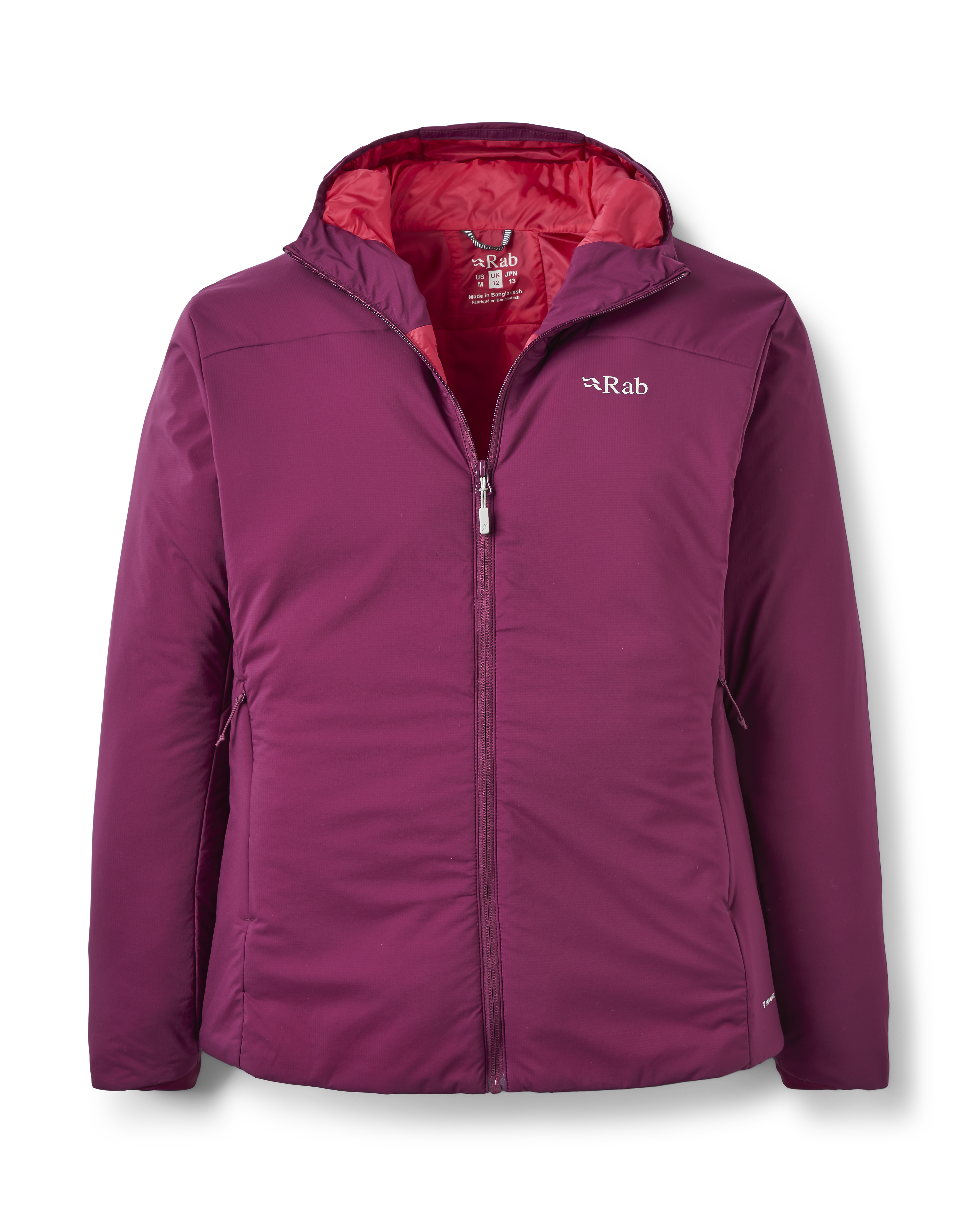
|
Which Should You Choose?
If your fall adventures lean toward cold, dry conditions like early morning trailheads, alpine summits, or belay ledges where you are standing still and getting cold fast, down is hard to beat. The Rab Microlight Alpine gives you elite warmth for the weight and packs small enough to disappear in a pack until you need it.
If you are moving hard, sweating through layers, or heading out when the weather forecast has any question marks in it, synthetic is the safer bet. The Rab Xenair Alpine Light keeps performing even if you get caught in a surprise fall squall, and dries out fast once you are back at the trailhead.
Plenty of Wasatch adventurers end up with both in the closet, reaching for whichever one matches the day.
Frequently Asked Questions
Is down or synthetic insulation warmer?
Down offers more warmth for its weight when dry, but synthetic insulation holds its warmth better once it gets wet.
Does synthetic insulation lose its warmth over time?
Synthetic insulation compresses slightly with repeated use and can lose a small amount of loft over years of heavy use, but it holds up well overall and continues to perform even after getting wet or compressed in a pack.
Can I wear a down jacket in the rain?
You can, especially with a hydrophobic down treatment like the one used in the Rab Microlight Alpine, but sustained wet weather will eventually reduce its loft and warmth. A synthetic jacket or a shell layered over your down jacket is a safer choice for wet conditions.
What does fill power mean?
Fill power measures how many cubic inches one ounce of down will loft to. Higher numbers mean more efficient insulation, so a 700 fill power jacket delivers more warmth per ounce than a lower fill power jacket of the same weight.
Which is better for backcountry skiing, down or synthetic?
Synthetic is generally the safer choice for backcountry skiing since it keeps insulating through sweat and wet snow, though many skiers still carry a down jacket for cold, static breaks at the summit.
Is synthetic insulation as warm as down?
Not quite, ounce for ounce, but the gap has narrowed significantly with modern synthetics like PrimaLoft Gold Active+, and synthetic holds its warmth better in wet conditions where down struggles.
How do I clean a down jacket?
Use a down specific detergent and a front loading washing machine, then dry on low heat with a few clean tennis balls or dryer balls to help the down loft back up as it dries.
Can I layer a synthetic jacket under a shell?
Yes, the Rab Xenair Alpine Light is built for exactly that. Its body mapped insulation and trim fit make it easy to layer under a waterproof shell on cold, wet days without feeling bulky.
About the Author
 Derek Newman
Born in the Wasatch, Derek has had an affinity for mountain life since day one. He was on skis the year he learned to walk, and as a high school graduation present he gifted himself rock climbing lessons. Nearly two decades later, Derek spends most of his time climbing up and/or skiing down most of the mountains around Salt Lake City, and he's traveled around the world multiple times for the sole purpose of peak exploration. When he isn't a man about camp, he's working in Campman's content marketing crew writing up blogs about backcountry skiing or rock climbing as well as describing products that he's used personally. He's climbed in most climbing shoes, toured on most backcountry skis, and ridden the resort on skis, snowboards, and even some evac sleds.
Share on: