
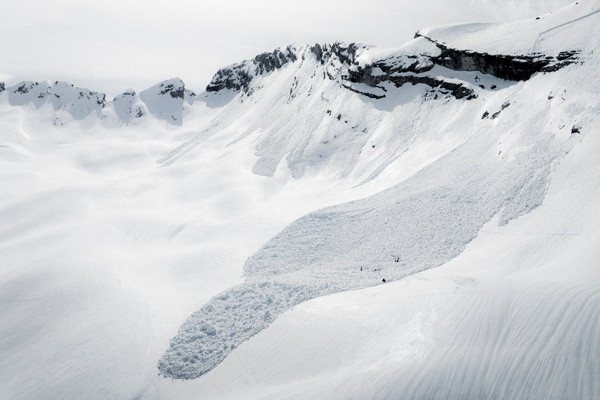
How to Choose an Avalanche Beacon: Ortovox vs BCA Compared
Posted by Derek Newman on 3rd Nov 2026
An avalanche beacon isn't optional gear if you're heading into the backcountry this winter. It's the single most important piece of equipment in your kit, and it's also one of the most confusing to shop for. Search strip width, antennas, marking functions, multiple burial capacity, it reads like a spec sheet for a device you hope you never have to use, which is exactly why it's worth understanding before you're standing in a parking lot at 6am trying to make a decision. Just know that a beacon means next to nothing if you don't know how to run a search with it, so pair whichever one you choose with AIARE training such as AIARE 1 or the AIARE Avalanche Rescue course.
This season Campman carries two of the most trusted names in avalanche safety: Ortovox, whose FW26 lineup spans three beacons built around voice guided search and range, and Backcountry Access, the brand that invented the digital multi antenna beacon and built a reputation on rugged simplicity with the Tracker line. Here's how to think through the choice, and which beacon actually fits your kind of backcountry days.
Quick Answer: The best avalanche beacon is the one you can run quickly and calmly under pressure. Newer backcountry riders should start with the Ortovox Diract Voice, which talks you through the search out loud. Regular tourers get the most search range and the largest display with the Ortovox Focus Voice, and guides or pros who need advanced multiple burial tools should look at the Ortovox Focus Pro. On the BCA side, the Tracker 4 is the most rugged, the Tracker 3+ offers the best balance of weight and features, and the Tracker S is the lightest. Whichever beacon you choose, pair it with AIARE training and practice with your partners every season.
What Actually Matters in a Beacon

Before comparing models, it helps to know what the specs are actually telling you.
Antennas. Every modern beacon has three antennas. Three antennas give you accurate directional guidance even when a buried transceiver is oriented awkwardly, which is common in real avalanche debris. All six beacons in this guide use a 3 antenna setup, so this isn't a differentiator between them, but it's worth knowing if you're comparing against older or budget beacons elsewhere.
Search strip width. This is the effective width of the area a beacon can detect during the initial signal search phase. A wider search strip means fewer passes across the debris field, which means faster searches. This is one of the biggest differences across the lineup below, so pay attention to it.
Marking and multiple burial features. In a multiple burial scenario, a basic beacon can get confusing fast, since it may guide you toward more than one signal at once. Marking functions let you flag a located victim and keep searching for the next signal without losing your place.
Voice navigation. A newer feature that talks you through the search out loud. It sounds like a small thing until you're under real stress, at which point a calm spoken instruction is a lot easier to process than reading a screen. This is an Ortovox specific feature in this lineup. BCA's Tracker beacons rely on a proven LED display and simple button layout instead.
Battery type. Ortovox's FW26 beacons use rechargeable USB-C batteries, while BCA's Tracker beacons run on three AAA alkaline batteries. Rechargeable batteries mean one less thing to buy each season, but AAA batteries are easier to find and swap on a multi day trip if you're far from an outlet.
Simultaneous burial capacity and manual controls. These are professional tier features. They matter a lot if you're a guide or ski patroller managing complex, multiple victim scenarios, and matter a lot less if you're a weekend tourer searching for one partner.
Ortovox Beacons
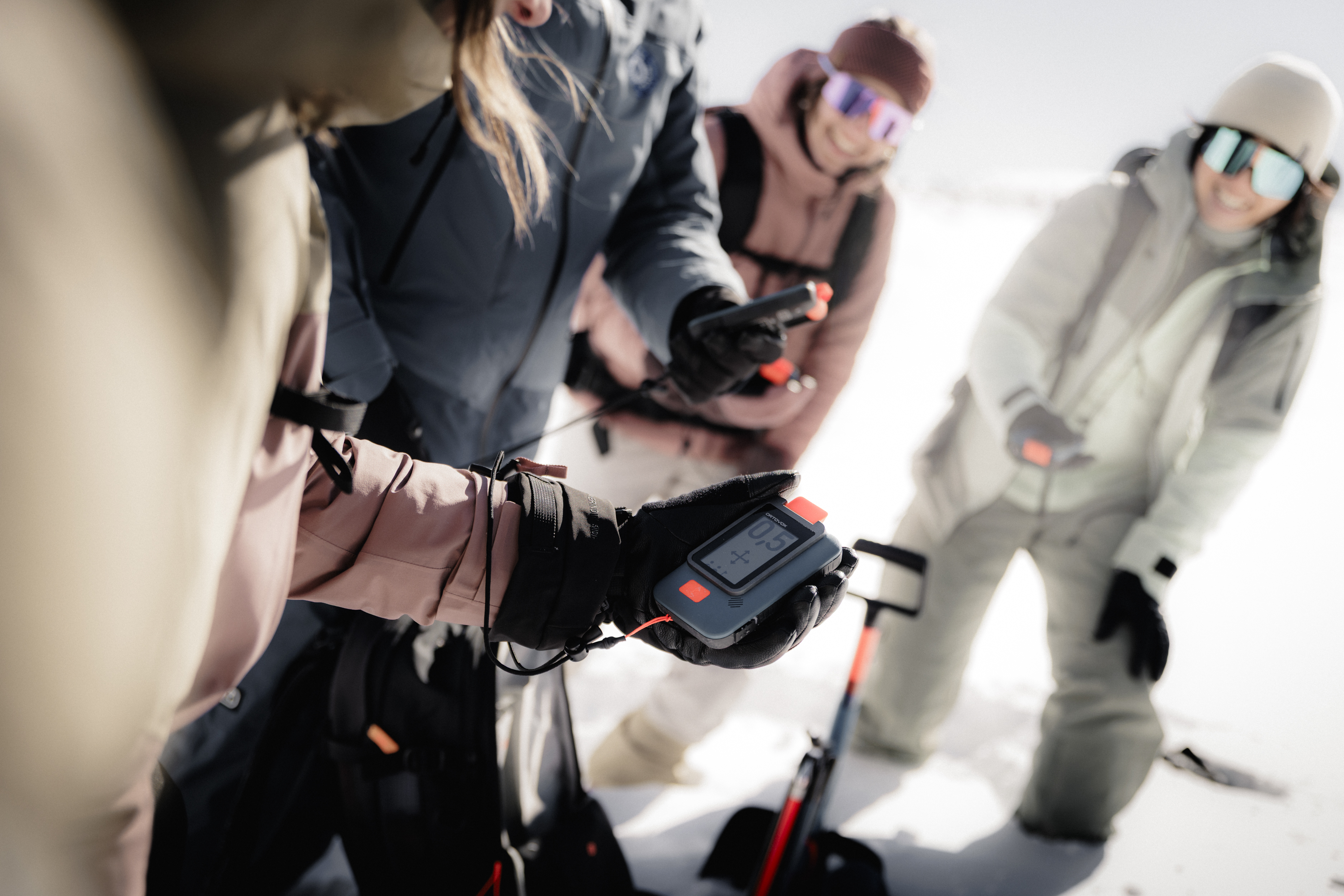
Ortovox has been building avalanche safety gear for more than four decades, and its FW26 lineup spans three beacons built around voice guided search, with range and control increasing as you move up the line.
Best for New Backcountry Riders: Ortovox Diract Voice Avalanche Beacon
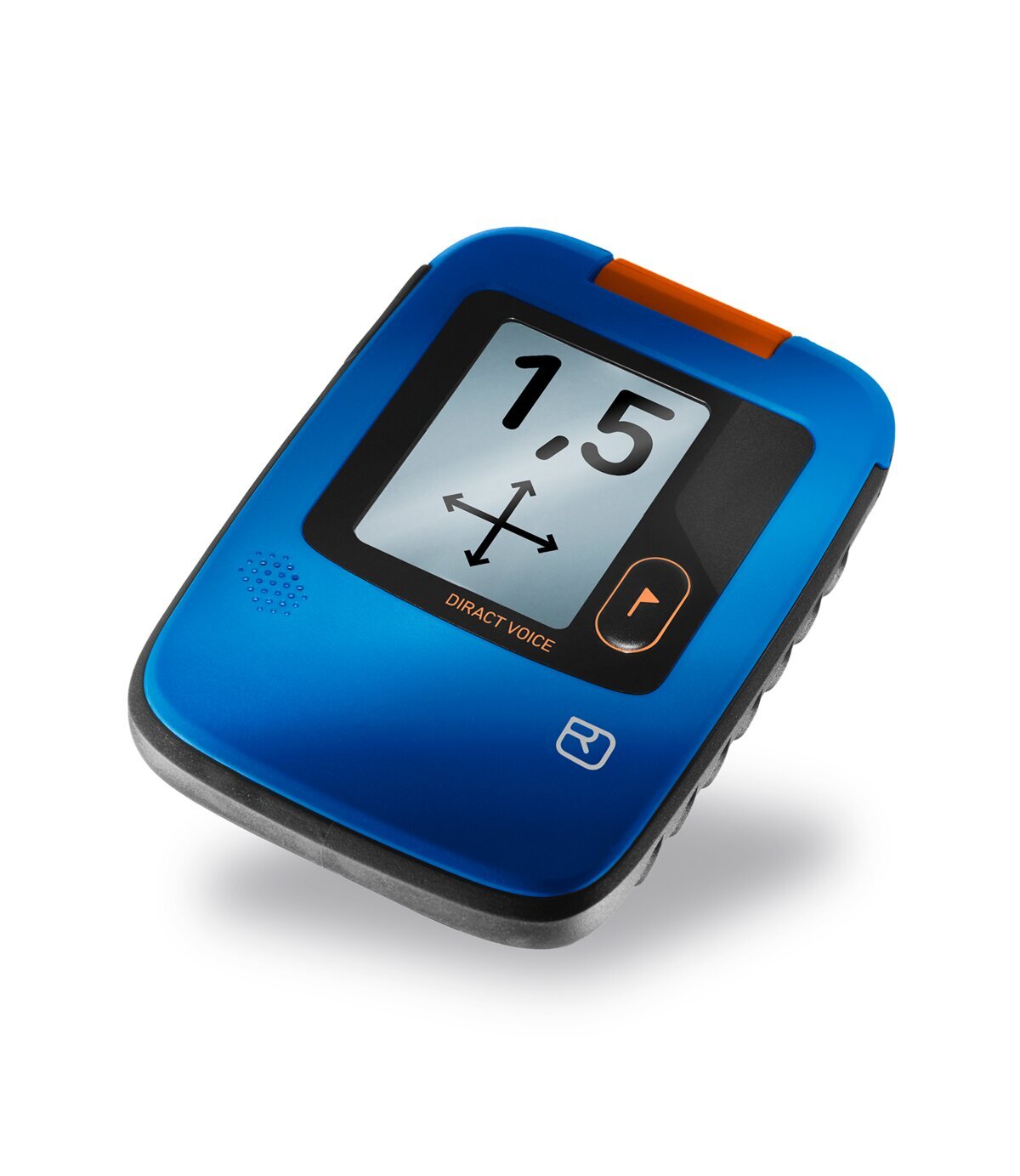
The Diract Voice is built around one idea: talk the rescuer through the search so there's less to think about under pressure. It uses Smart Antenna technology to automatically optimize which antenna is transmitting, extending its search strip width up to 50 meters. A marking function supports multiple burial situations, and it automatically switches to search mode if it detects a second avalanche while you're working a rescue. It weighs 7.4 ounces including the carrying system, which has a RECCO reflector built in, and it's backed by a 5 year warranty with registration. This is the beacon for someone who is newer to backcountry travel and wants a device that reduces decision making in a moment when clear thinking is hard to come by.
   |
Best for Regular Backcountry Tourers: Ortovox Focus Voice Avalanche Beacon
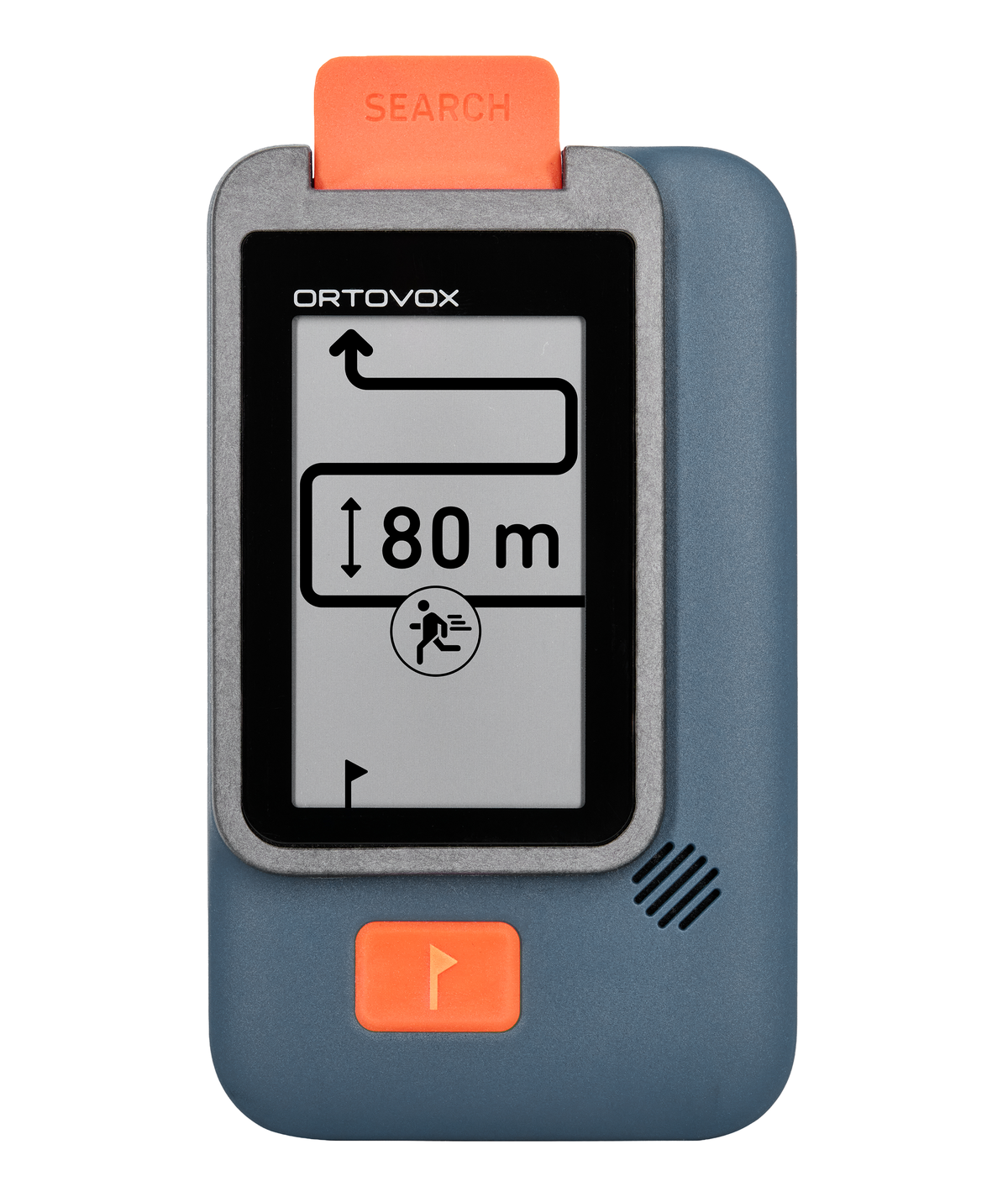
The Focus Voice keeps the spoken guidance from the Diract Voice but adds real range and visibility upgrades. Its search strip width jumps to 80 meters standard, extending up to 90 meters when searching for other Ortovox Smart Antenna beacons. The display is the largest on the market at 2.7 inches with a 400 by 240 pixel MIP screen that stays readable and stable from the first signal. Voice navigation runs in nine languages, and patented interference protection keeps the signal stable around electronics, which matters more than people expect once a phone, radio, and beacon are all in the same jacket. It weighs 6.5 ounces and runs on a rechargeable USB-C battery rated to negative 20 degrees Fahrenheit. If you're already comfortable in the backcountry and tour regularly, this is the beacon that gives you meaningfully more search range and a display you can actually read fast, without adding controls you'll never touch.
 |
Best for Guides and Professionals: Ortovox Focus Pro Avalanche Beacon
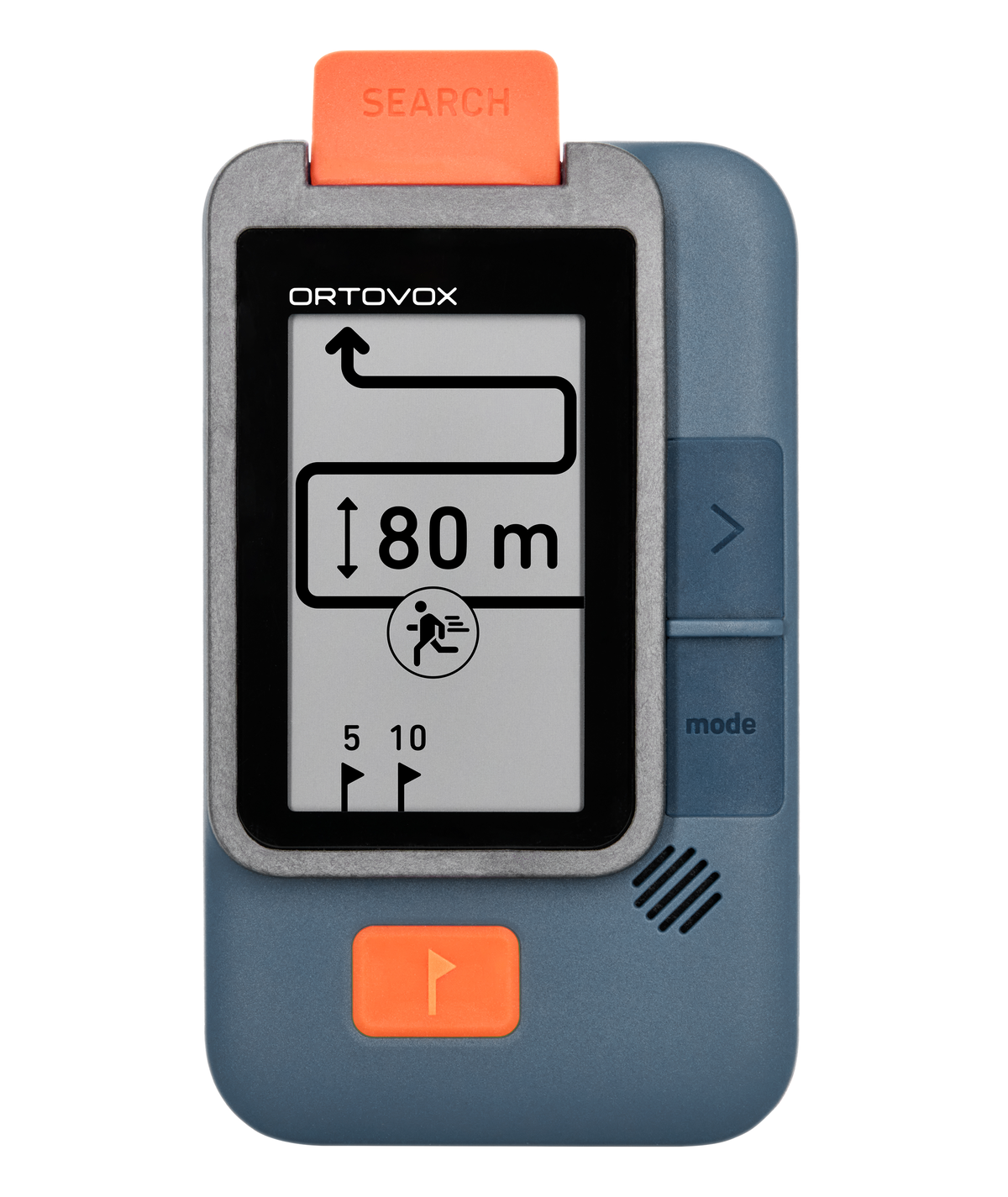
The Focus Pro shares its range and display with the Focus Voice, but adds the toolkit a professional needs when a rescue gets complicated. An analog audio output gives pure, unprocessed signal for advanced multiple burial separation. A permanent overview shows the four closest transceivers at once with a scroll function to select a target, and manual range reduction down to 20 or 3 meters lets you cut through interference during a tight pinpoint search. A standby mode with secondary avalanche protection silences the transmit signal for rescuers who aren't actively searching, without leaving them unprotected, and it automatically reverts to transmit mode after two minutes if no one intervenes. This is the beacon for someone who searches for a living, or who wants every available tool on hand for a worst case scenario involving more than one buried partner.
 |
Backcountry Access (BCA) Beacons
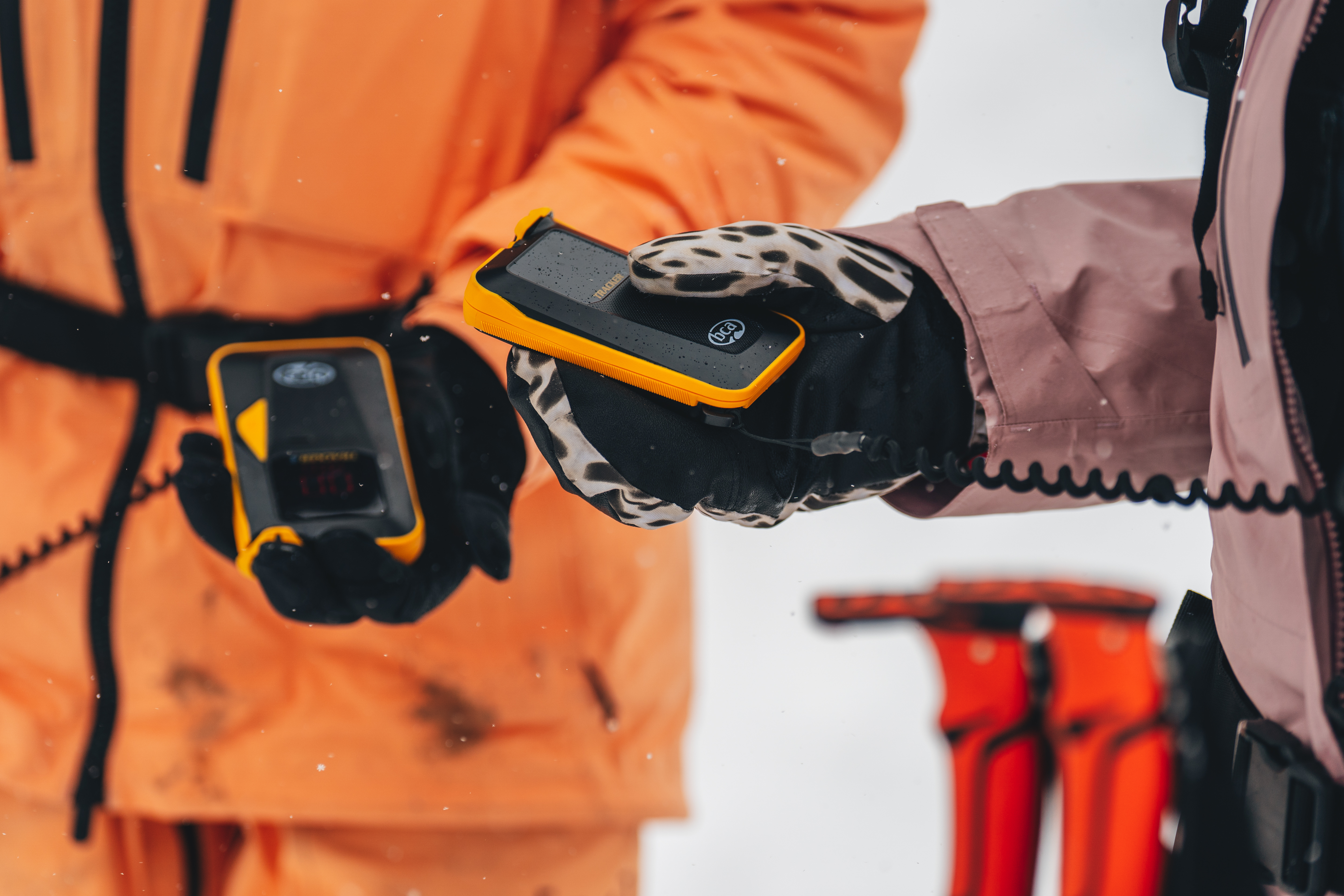
Backcountry Access invented the digital multi antenna avalanche beacon, and its Tracker line has built a reputation across North America for speed and ease of use in a durable, no frills package.
Rugged, No Frills Reliability: BCA Tracker 4 Avalanche Beacon
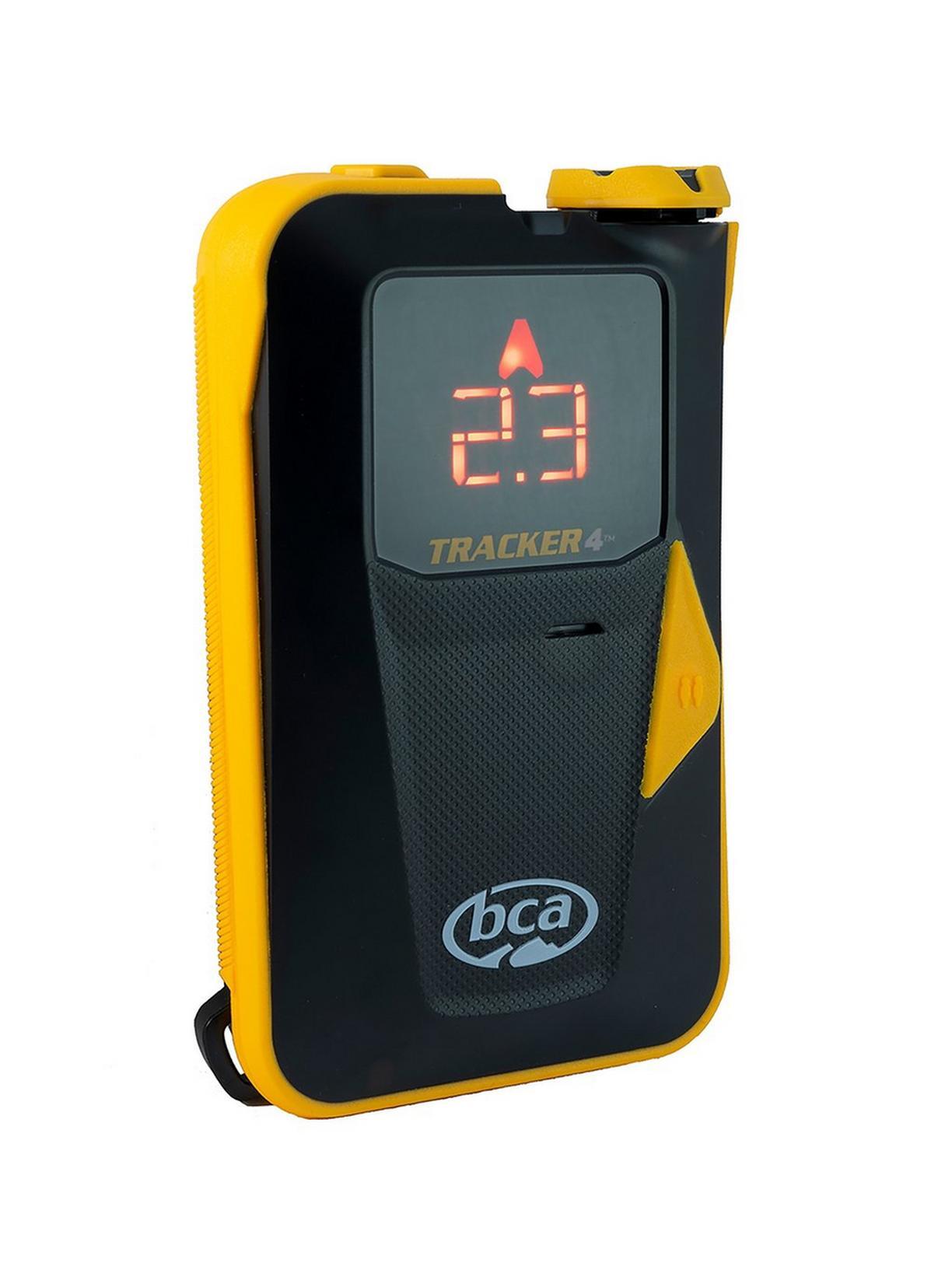
The Tracker 4 is BCA's workhorse beacon, built around a durable body with a rubber gasket and a single large function button so operating it with cold or gloved hands stays simple. A large, temperature resistant LED display keeps the readout clear in any condition, and Auto Revert mode automatically switches the Tracker 4 back to transmit if you stop moving, adding a layer of protection if a secondary slide catches you mid search. Big Picture mode gives a wider view of multiple signals in a complex burial, and a close proximity indicator and motion sensing auto revert round out a feature set built for reliability over flash. It weighs 6.2 ounces without batteries and harness, runs on three AAA alkaline batteries, and carries a 5 year limited warranty. This is the beacon for someone who wants a rugged, proven device with a reputation for simplicity, and who doesn't mind AAA batteries over a rechargeable pack.
 |
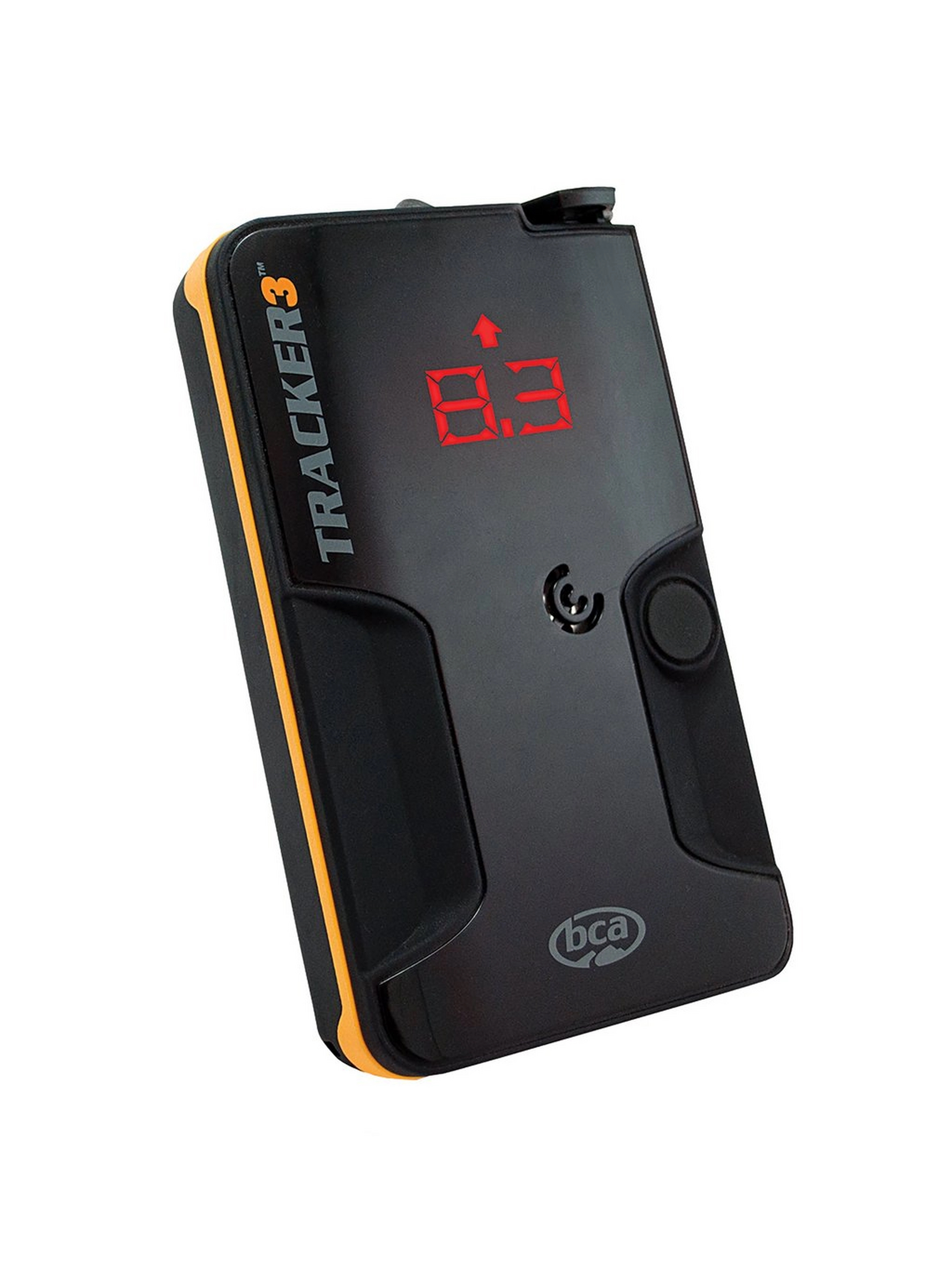
Best Balance of Weight and Features: BCA Tracker 3+ Avalanche Beacon
The Tracker 3+ sits right in the middle of BCA's lineup, lighter and slimmer than the Tracker 4 but running the same real time LED readout and straightforward search logic the Tracker line is known for. At just 0.9 inches thick, it's one of the most pocket friendly multi antenna beacons you can carry, so it rides comfortably in a chest harness or an inside jacket pocket without feeling bulky on the skin track. Signal Suppression mode lets you set aside the strongest signal once that victim is located and move straight to the next one, while Big Picture mode shows every transmitting beacon in range at once so you can plan the search in a complex burial. Motion sensing auto revert switches it back to transmit if you stop moving during a search, and the temperature resistant display stays readable on the coldest dawn patrol mornings. It weighs 5.8 ounces without batteries, runs on three AAA alkaline batteries rated for roughly 250 hours in transmit mode, and carries a 5 year limited warranty. This is the beacon for someone who wants a light, slim BCA with a dedicated multiple burial tool, and who values proven simplicity over a bigger screen.
 |
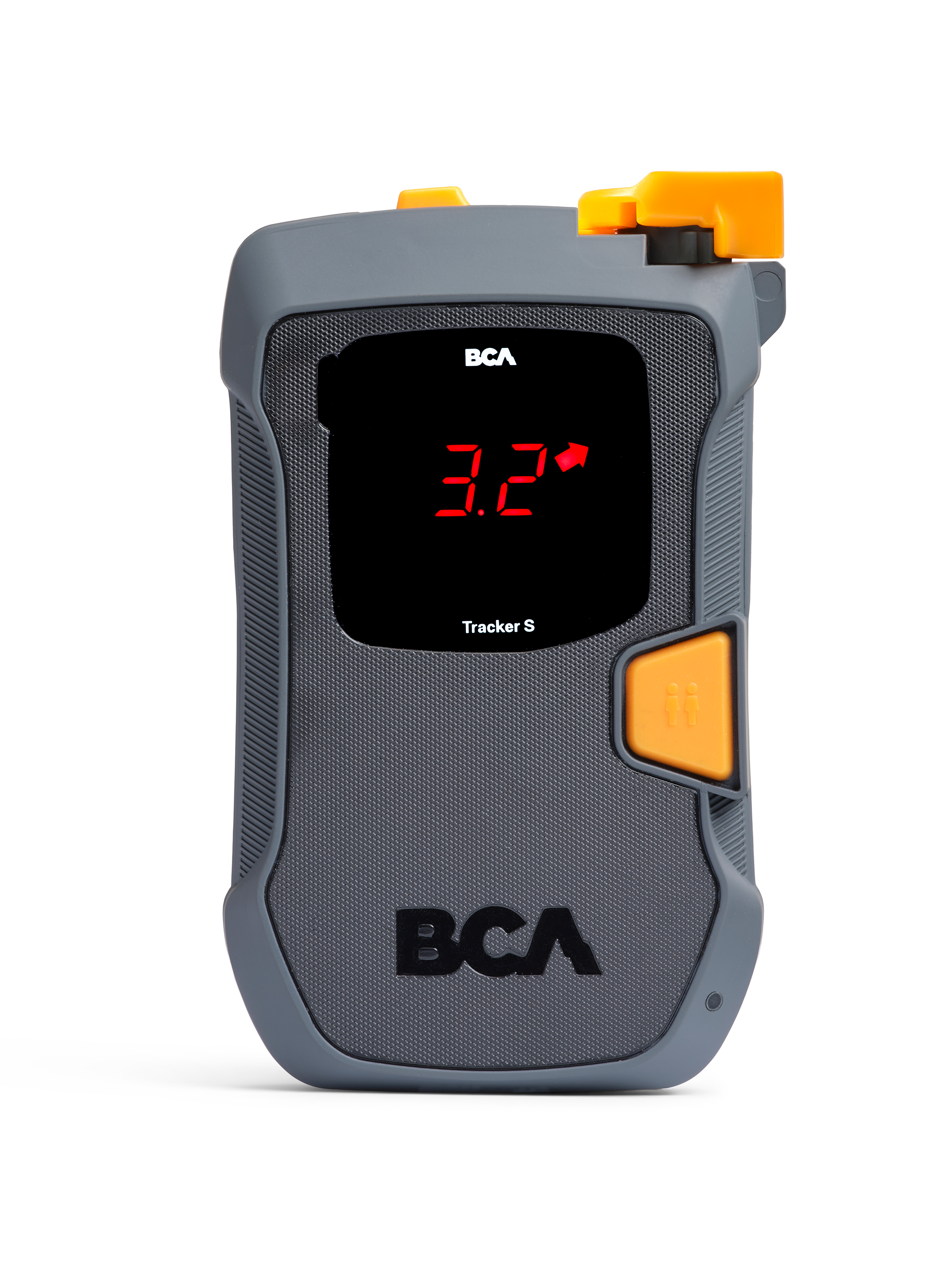
Lightest Setup on the Market: BCA Tracker S Avalanche Beacon
The Tracker S takes everything that makes the Tracker line dependable and puts it in BCA's smallest, lightest body yet. It's noticeably lighter and more compact than the previous Tracker S and the Tracker 3+, without giving up any of the core search features. A slim, low profile design tucks easily into a harness or jacket pocket, and the same temperature resistant LED display, three antenna setup, Auto Revert mode, Big Picture mode, and multiple burial indicator carry over from the rest of the Tracker family. It weighs just 5.5 ounces without batteries and harness. This is the beacon for someone who wants the lightest possible setup on their harness without giving up the simplicity BCA is known for.
 |
Quick Reference: Full Spec Comparison
| Spec | Diract Voice | Focus Voice | Focus Pro | Tracker 4 | Tracker 3+ | Tracker S |
| Brand | Ortovox | Ortovox | Ortovox | Backcountry Access | Backcountry Access | Backcountry Access |
| Antennas | 3 | 3 | 3 | 3 | 3 | 3 |
| Search Strip Width | Up to 50 m | 80 m | 80 m | 55 m | 50 m | 55 m |
| Max Range | 50 m | 90 m | 90 m | 50 m | 50 m | 50 m |
| Display | Full-graphic | 2.7 in MIP | 2.7 in MIP | Large LED | Real time LED | LED |
| Voice Navigation | Yes | Yes | No | No | No | No |
| Simultaneous Burials | Standard | Standard | 4, with overview | Standard | Standard, with Signal Suppression | Standard |
| Manual Range Reduction | No | No | Yes, 20 m / 3 m | No | No | No |
| Battery | Rechargeable USB-C | Rechargeable USB-C | Rechargeable USB-C | 3 AAA alkaline | 3 AAA alkaline | 3 AAA alkaline |
| Weight | 7.4 oz | 6.5 oz | 6.5 oz | 6.2 oz | 5.8 oz | 5.5 oz |
| Warranty | 5 years with registration | 5 years with registration | 5 years with registration | 5 years limited | 5 years limited | 5 years limited |
| Best For | New backcountry riders | Regular tourers | Guides and pros | Rugged simplicity | Weight and features balance | Lightest setup |
Frequently Asked Questions
Do I need AIARE training to use an avalanche beacon? Yes. A beacon means next to nothing in the hands of someone who hasn't learned to use it, because owning one doesn't teach you how to run a fast, organized search when a partner is buried. AIARE 1 covers trip planning, recognizing avalanche terrain, and companion rescue, while the one day AIARE Avalanche Rescue course focuses entirely on beacon, probe, and shovel skills. AIARE courses award a certificate of completion rather than a formal certification, but they're the standard for recreational backcountry training in the US. Take a refresher rescue course every few seasons and practice with your partners in between.
What is the most important spec on an avalanche beacon? Search strip width matters most for search speed, since it determines how many passes you need to cover a debris field. Three antennas are standard on any beacon worth buying, so treat that as a baseline requirement rather than a differentiator.
Do I need a beacon with voice navigation? No, but it can reduce stress and decision making time during a real search. Ortovox's Diract Voice and Focus Voice both include it. BCA's Tracker beacons rely on a proven LED display and button layout instead, which plenty of experienced riders prefer.
What is the difference between the Ortovox Focus Voice and Focus Pro? They share the same range and display, but the Focus Pro adds professional tools: an analog audio output, a permanent overview of the four closest transceivers, and manual range reduction for tight pinpoint searches. Most recreational tourers do not need those extra controls.
What is the difference between the BCA Tracker 4, Tracker 3+, and Tracker S? All three share BCA's three antenna design, LED display, and AAA battery setup, so the choice mostly comes down to size and feel. The Tracker 4 is the most rugged, with a rubber gasket and a large single function button that's easy to work with gloves. The Tracker 3+ is slimmer and lighter and adds Signal Suppression mode for working through multiple burials. The Tracker S is the lightest and most compact of the three.
Rechargeable or AAA batteries? Ortovox's FW26 beacons charge over USB-C, so there's nothing extra to buy each season. BCA's Tracker beacons run on three AAA alkaline batteries, which are easier to find and swap on a multi day trip far from an outlet. Neither is wrong, it comes down to how you like to manage your gear.
How often should I practice with my beacon? At the start of every season at minimum, and ideally before every big backcountry day. A beacon only helps if you can operate it quickly and calmly under pressure, and that only comes from practice.
Buy the Right Beacon Once
An avalanche beacon is not a place to guess. Pick the one that matches your experience level and the kind of search you want, then practice with it until using it is second nature. All of the beacons in this post are in stock at Campman. Come test the weight and button layout in person at our warehouse before you head out, or shop the full lineup of Ortovox and BCA beacons online now.
About the Author
 Derek Newman
Born in the Wasatch, Derek has had an affinity for mountain life since day one. He was on skis the year he learned to walk, and as a high school graduation present he gifted himself rock climbing lessons. Nearly two decades later, Derek spends most of his time climbing up and/or skiing down most of the mountains around Salt Lake City, and he’s traveled around the world multiple times for the sole purpose of peak exploration. When he isn’t a man about camp, he’s working in Campman’s content marketing crew writing up blogs about backcountry skiing or rock climbing as well as describing products that he’s used personally. He’s climbed in most climbing shoes, toured on most backcountry skis, and ridden the resort on skis, snowboards, and even some evac sleds.
Share on: