

Mohair Vs Synthetic: Best Climbing Skin for Backcountry Skiing and Splitboarding
Posted by Derek Newman on 28th Oct 2026
Every backcountry skier and splitboarder eventually asks the same question standing in line at the shop: mohair or synthetic? The climbing skin you strap to the base of your ski or board is the single piece of gear that determines how efficiently you get uphill, and the material inside that skin changes everything about how it performs. Mohair glides fast and saves your legs on long approaches. Synthetic digs in and holds on icy skin tracks. Blends split the difference. This guide breaks down what each material actually does on snow, then walks through the POMOCA lineup so you can match a skin to the way you tour, whether that is dawn patrol laps in Big Cottonwood Canyon or a multi-day hut trip in the Uintas.
| Quick Answer: Mohair climbing skins glide fastest and are the top pick for long tours in cold, dry snow, but they wear faster and grip less on ice. Synthetic (nylon) skins grip best and hold up longest, making them the smart choice for beginners and rocky, variable terrain. Mohair blend skins mix roughly 60 to 70 percent mohair with nylon for a skin that handles most backcountry days well. For POMOCA specifically, go with the Climb Pro Mohair for maximum glide, the Free Explore for maximum grip, and the Tour Explore or Tour Pro for an all-around blend. |
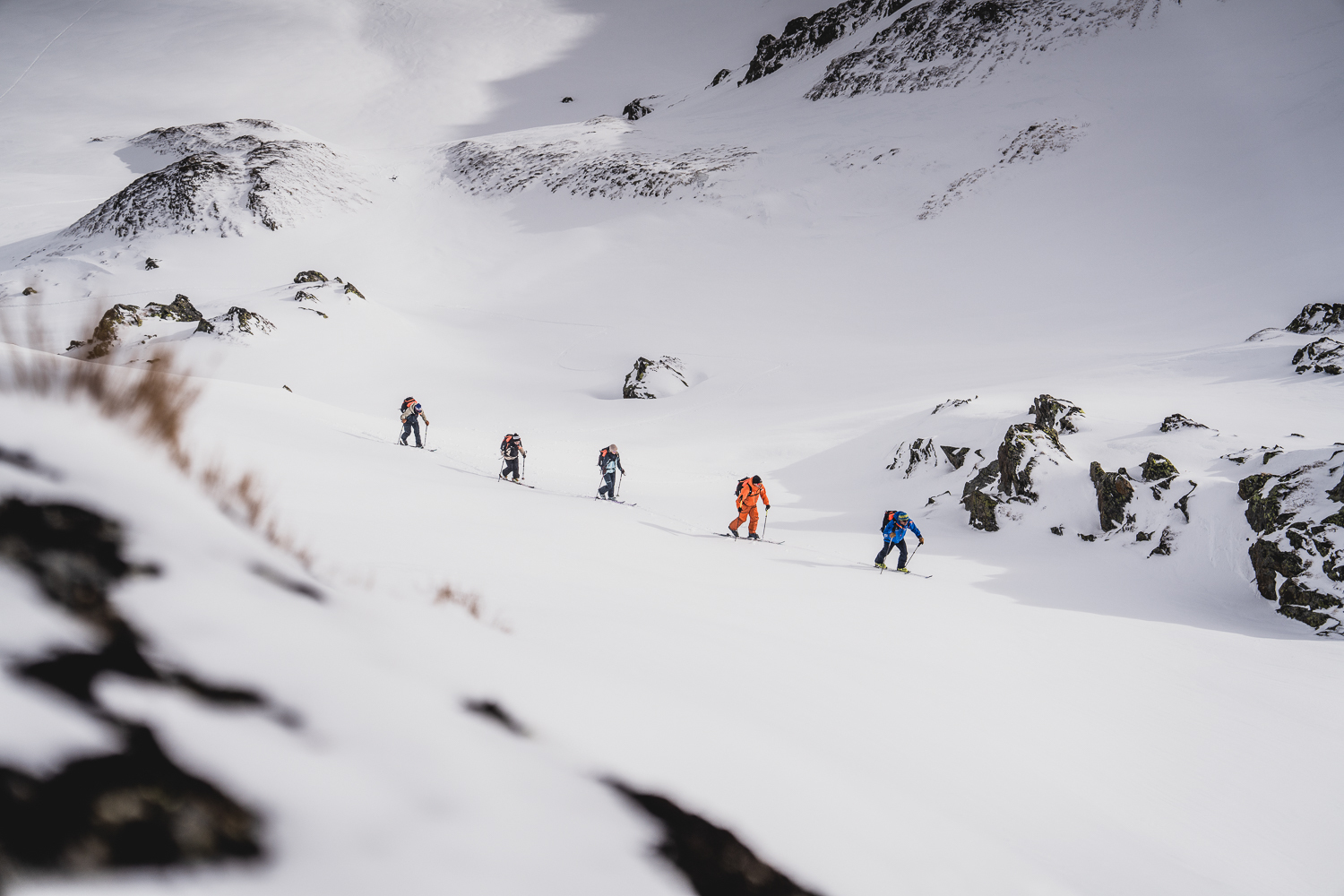
Mohair vs Synthetic vs Blend: What's the Difference?
Climbing skins work because of directional fibers. Angle them one way and the skin slides forward with almost no resistance. Angle them the other way and the fibers stand up and bite into the snow, stopping you from sliding backward. What those fibers are made of determines how well the skin does each job.
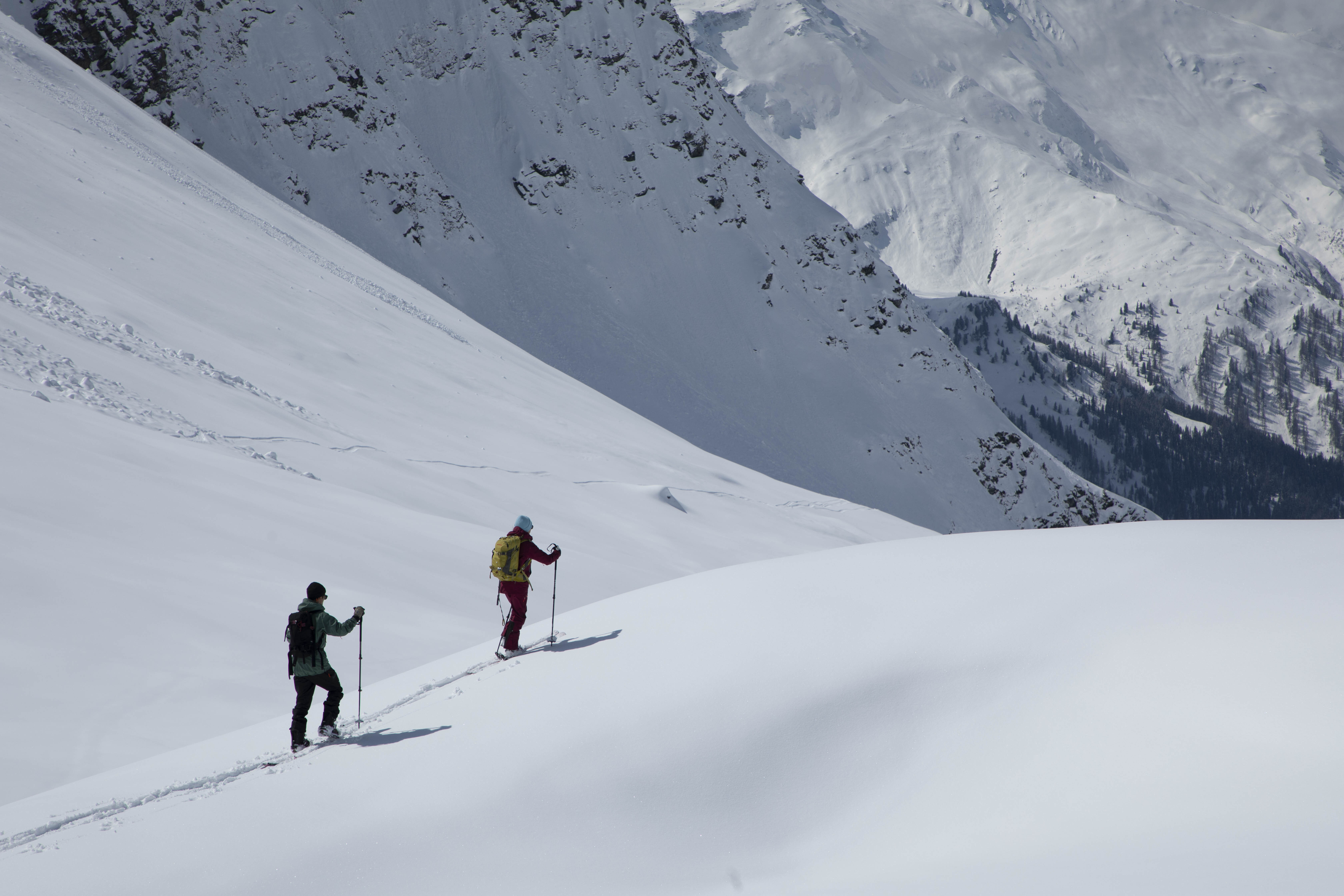
Mohair comes from Angora goats and has been the traditional skin material for decades. The fibers are thin, smooth, and consistent, which lets them fold flat on the forward stride and pop back up on the plant. That translates directly into glide. A mohair skin takes noticeably less energy to skin on per lap, which adds up fast over a 4,000 foot day. The tradeoff is durability and grip. Mohair wears faster on rocky or variable terrain and doesn't grab quite as hard on firm, icy snow.
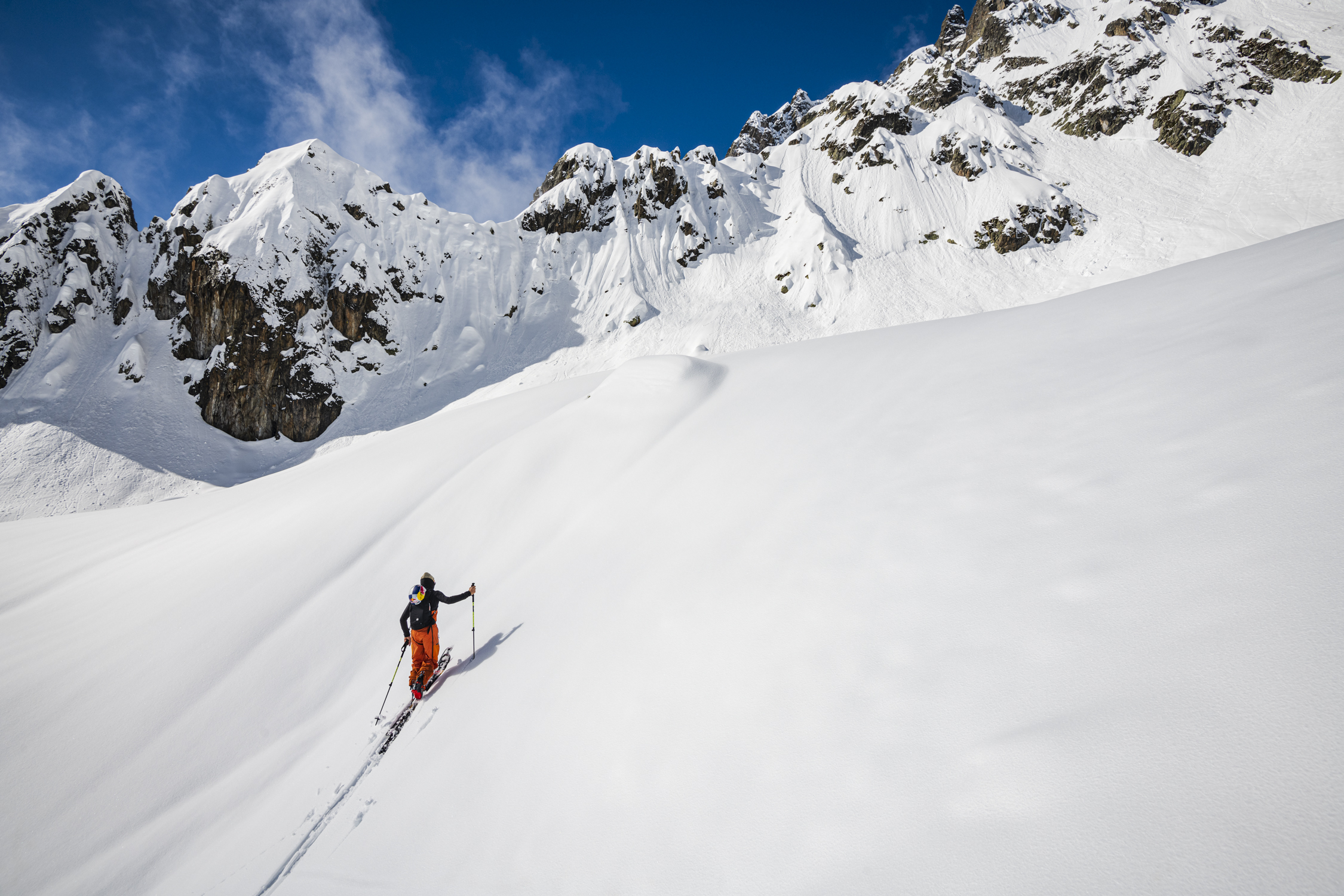
Synthetic skins are usually nylon, and nylon fibers are thicker and coarser than mohair. That texture means more friction on the glide phase, so synthetic skins feel slower and heavier underfoot. What you get in return is grip. Synthetic fibers hold onto ice and firm snow better than mohair, and they hold up to years of abuse from rocks, dirt, and repeated cutting. That makes synthetic the go-to for beginners still figuring out kick turns, and for anyone skinning frequently exposed, rocky approaches like the lower apron of many Wasatch couloirs.
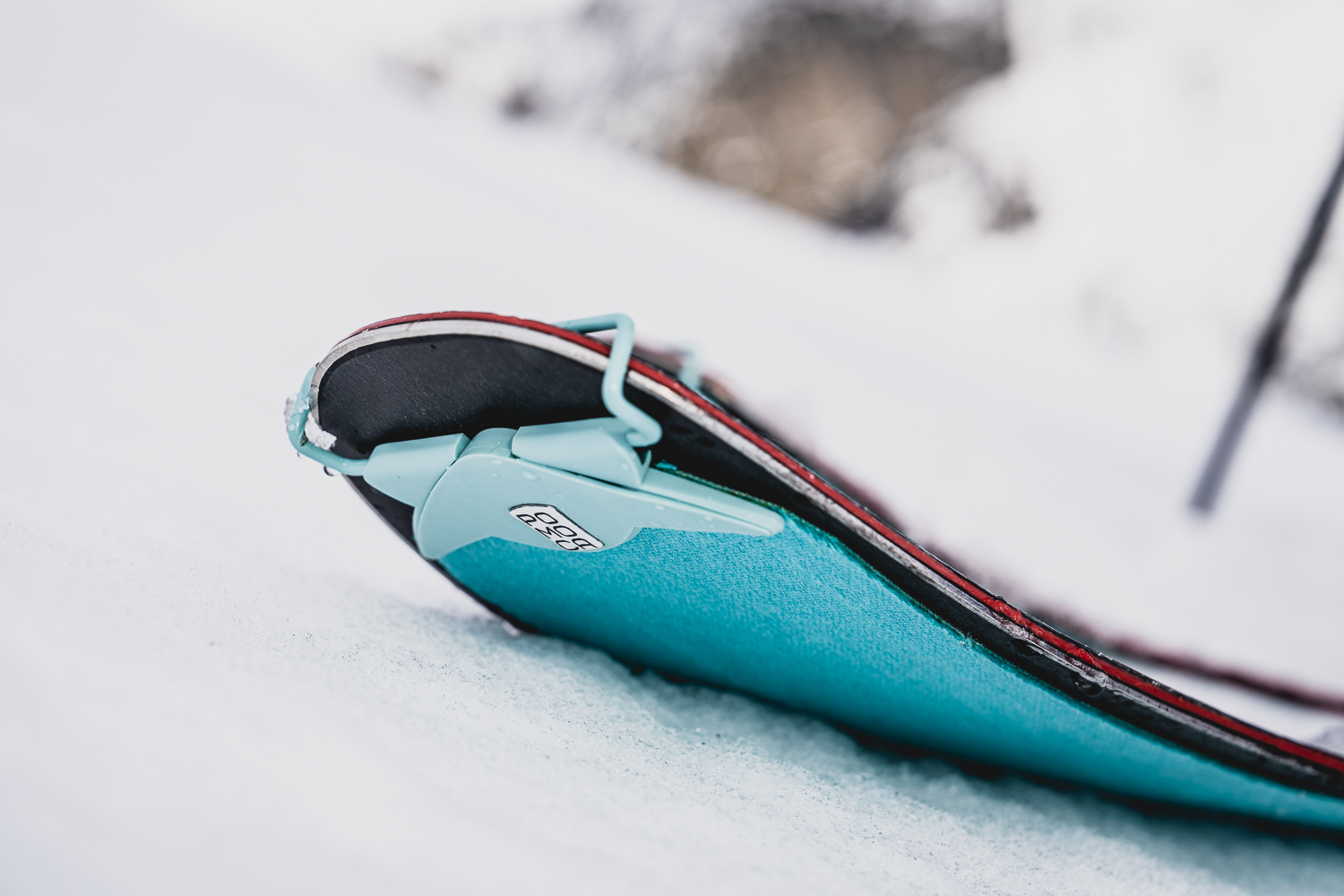
Blended skins mix mohair and nylon, usually somewhere between 60 and 70 percent mohair, to land in the middle. You give up a little of mohair's top-end glide and a little of nylon's max grip, but you get a skin that performs well across a much wider range of conditions without needing to own three different pairs. For most people who tour more than a handful of days a season, a quality mohair blend is the single skin that covers the most ground.
Mohair Climbing Skins: Maximum Glide for Big Days
If you're the person breaking trail on cold, dry powder days in the Wasatch or logging big vertical on Uinta tours, a full mohair skin rewards you with every stride. Cold, dry snow is exactly where mohair shines, since it's less prone to the icing and glopping that can slow down a skin in wetter, warmer snowpacks.
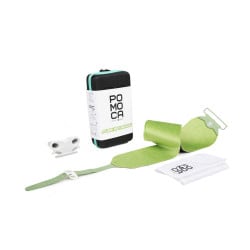
POMOCA Climb Pro Mohair Climbing Skins
Built from 100 percent mohair, the Climb Pro is POMOCA's dedicated glide skin. It's treated with the brand's PFC-free Ever Dry 3.0 waterproof coating to keep ice and snow from building up on the plush, which matters most on those cold trail-breaking days when a gloppy skin can turn a tour into a slog. The low-bulk construction keeps pack weight down, and it comes ready to climb with a trim tool and skin savers included. It's available in 100mm, 120mm, and 140mm widths with five length options, so most skis in the 145 to 200cm range are covered.
   |
Synthetic Climbing Skins: Built for Grip and Learning Curves
A 100 percent nylon skin is the right call if you're newer to the backcountry and still dialing in kick turns on steep, icy skin tracks, or if you tour terrain that chews through skins fast. The extra grip forgives sloppy technique, and the tougher fiber shrugs off the rock and dirt that show up on lower-elevation approaches once the early season snowpack is thin.
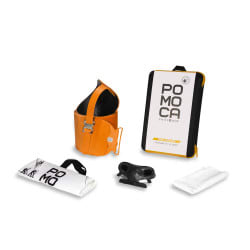
POMOCA Free Explore Climbing Skins
The Free Explore is POMOCA's grippiest skin and a smart starter pick for beginner backcountry skiers. Made of 100 percent nylon, it maximizes traction so you can focus on reading the skin track instead of worrying about slipping backward on a steep kick turn. It uses the Ready2Climb system with a universal tip and adjustable tail buckle that fits most ski shapes right out of the box, plus a cutter tool to trim the width to your ski. It comes in 123mm and 140mm widths across five lengths from 145 to 200cm.
 |
Mohair Blend Climbing Skins: The Do-It-All Option
Most backcountry skiers who tour regularly end up on a blend, and for good reason. A well-built mohair mix gives you enough glide to enjoy a long approach and enough grip to trust it on a firm, wind-scoured ridge above tree line. POMOCA offers two blend options that split the difference in slightly different ways.
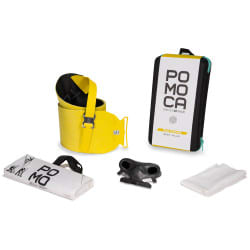
POMOCA Tour Explore Climbing Skins
The Tour Explore blends 65 percent mohair with 35 percent nylon for what POMOCA calls its most versatile all-around skin. It handles everything from setting a fresh track through Wasatch powder to kick-turning up steep, icy switchbacks without missing a beat in either direction. Like the rest of the Ready2Climb lineup, it ships with a universal tip and adjustable tail already attached and a cutter tool for trimming width. It's available in 100mm, 120mm, and 140mm widths across the standard five length options.
 |
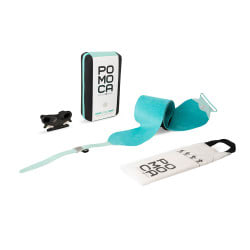
POMOCA Tour Pro Climbing Skins
Also a 65/35 mohair-nylon mix, the Tour Pro is tuned for the best grip-to-glide ratio in the POMOCA lineup and built for demanding tours and multi-day hut trips. POMOCA also calls it its best anti-glopping skin, which matters on long days where a skin caking up with snow can turn into a real problem miles from the trailhead. It shares the same Ready2Climb universal tip and adjustable tail as the rest of the lineup, along with a cutter tool, and comes in 100mm, 120mm, and 140mm widths.
 |
Splitboard Skins: What Riders Need to Know
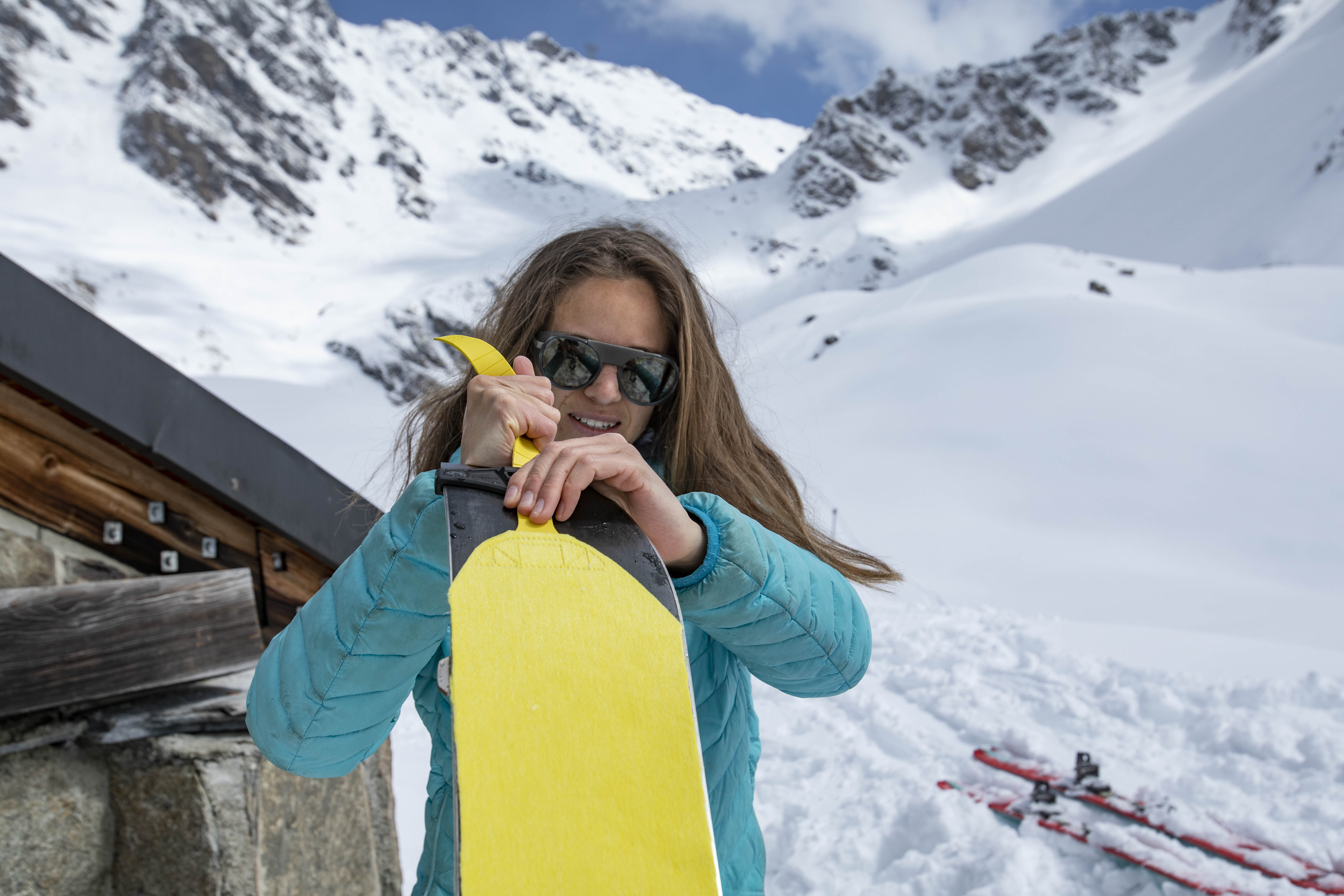
Splitboarders face the same mohair versus synthetic tradeoffs as skiers, but the skins themselves are shaped and clipped differently to match a splitboard's wider, symmetrical footprint. Look for a splitboard-specific tail strap and nose clip system built to handle the shape of a split ski rather than a standard alpine touring ski.
POMOCA Splitboard Explore Climbing Skin
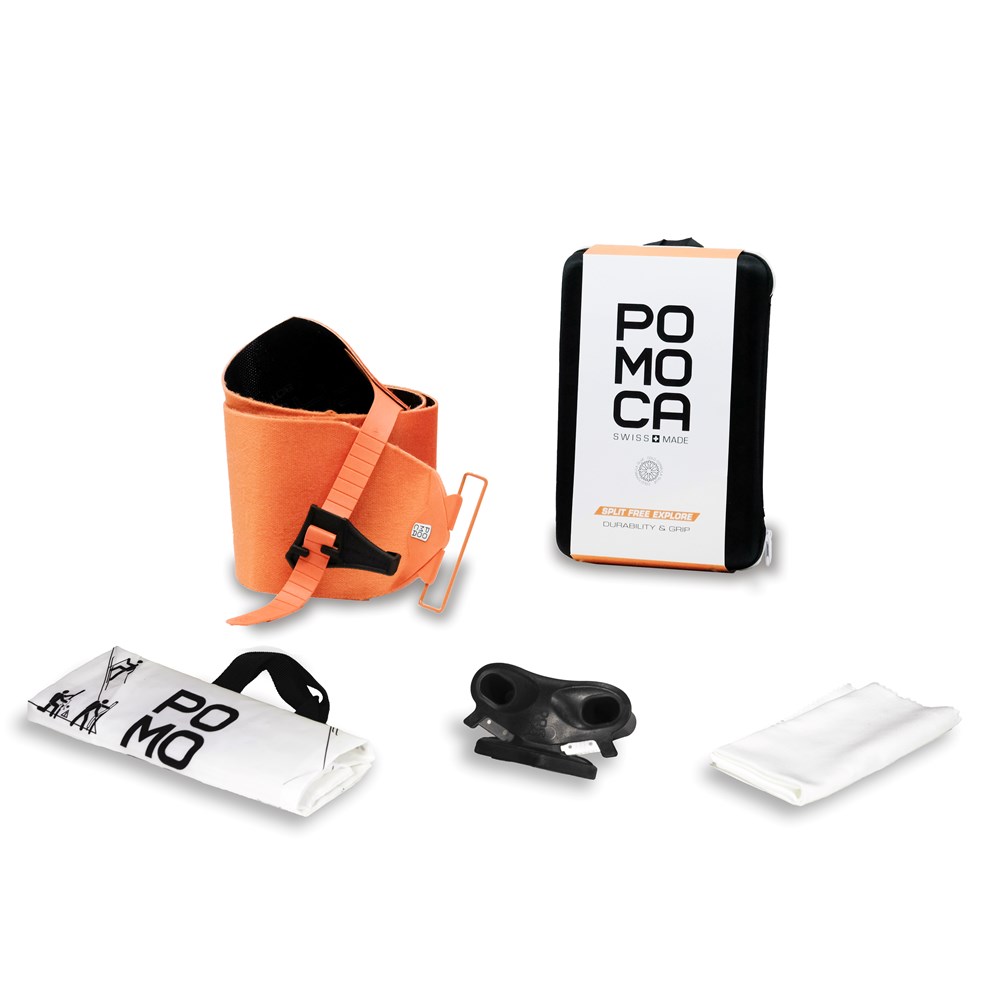
Built on POMOCA's proven 65 percent mohair, 35 percent nylon mix, the Splitboard Explore is designed specifically for splitboards, with a tail strap and Click Lock nose attachment shaped for a board rather than a ski. It uses the same Ever Dry 3.0 waterproof treatment as the rest of the lineup and comes precut in splitboard-specific lengths, so sizing is based on your board's running length rather than a ski length range.
 |
Quick Reference: Which POMOCA Skin Should You Buy
| If you are... | Material | Start with this skin |
| Chasing max glide on long, cold-snow days | 100% Mohair | Climb Pro Mohair |
| New to backcountry skiing and want max grip | 100% Nylon | Free Explore |
| Touring a wide mix of conditions and terrain | 65% Mohair / 35% Nylon | Tour Explore |
| Doing demanding tours or multi-day hut trips | 65% Mohair / 35% Nylon | Tour Pro |
| Splitboarding and need board-specific hardware | 65% Mohair / 35% Nylon | Splitboard Explore |
Frequently Asked Questions
What's the difference between mohair and synthetic climbing skins? Mohair skins glide faster and weigh less, making them ideal for long tours with lots of vertical. Synthetic skins grip better and hold up longer, making them a better fit for beginners and rocky, technical approaches.
Are mohair blend skins worth the extra cost? For most people who tour more than a few days a season, yes. A quality blend gets you most of mohair's glide with most of nylon's durability and grip, so you don't need separate skins for different conditions.
How do I know what width skin to buy? Measure the widest point of your ski, usually the tip, and buy a skin that's equal to or slightly wider than that measurement. POMOCA skins ship untrimmed to width and include a cutter tool to trim them down to your exact ski shape.
Do climbing skins fit any ski? POMOCA's Ready2Climb system includes a universal tip and adjustable tail buckle designed to fit the vast majority of skis on the market without modification. Splitboards need a splitboard-specific skin due to the different tail and nose shape.
Why does my skin ice up and stop gliding? Snow buildup, sometimes called glopping, happens when moisture bonds to the skin's plush, usually in wetter or warmer snowpacks. POMOCA's PFC-free Ever Dry treatment on every skin in this lineup is designed to reduce that buildup, though carrying wax or a scraper is still smart on variable spring days.
How long do climbing skins last? With proper care, glue reactivation, and storage, a well-maintained skin typically lasts several seasons of regular use. Mohair skins tend to show wear on the plush sooner than synthetic, especially on rocky terrain, while the glue and hardware usually wear out before the fibers do on synthetic skins.
Can I use ski skins on a splitboard? Not directly. Splitboard skins are cut and clipped for the shape of a split ski, with tail straps and nose attachments built for that geometry. Ski skins won't attach properly to a splitboard's hardware.
Find Your Skin, Then Go Earn Your Turns
There's no single best climbing skin, only the best skin for how you actually ski or ride. If you're chasing glide on long tours through Wasatch powder, go mohair. If you're building confidence on your first backcountry laps or skinning through rocky, technical terrain, go synthetic. If you want one skin that covers most days without a second thought, a mohair blend is the smart call. All the POMOCA skins in this guide are in stock at Campman with free shipping on orders over $50.
About the Author
 Derek Newman
Born in the Wasatch, Derek has had an affinity for mountain life since day one. He was on skis the year he learned to walk, and as a high school graduation present he gifted himself rock climbing lessons. Nearly two decades later, Derek spends most of his time climbing up and/or skiing down most of the mountains around Salt Lake City, and he’s traveled around the world multiple times for the sole purpose of peak exploration. When he isn’t a man about camp, he’s working in Campman’s content marketing crew writing up blogs about backcountry skiing or rock climbing as well as describing products that he’s used personally. He’s climbed in most climbing shoes, toured on most backcountry skis, and ridden the resort on skis, snowboards, and even some evac sleds.
Share on: