
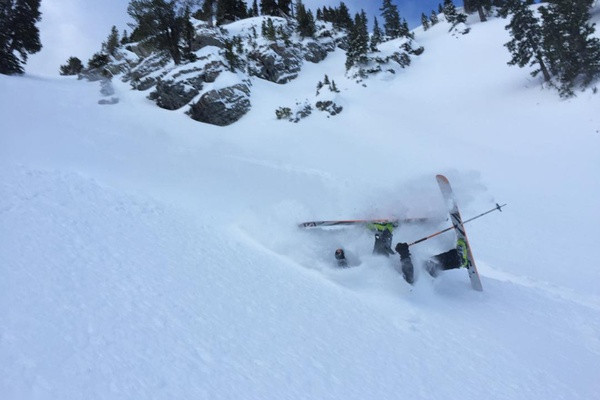
Ski Jacket Waterproofing Explained
Posted by Derek Newman on 24th Nov 2026
Where will you be when you question the waterproofing in your ski jacket?
Every ski jacket on the market claims to keep you dry, but not every jacket is built to the same standard. Two numbers do most of the talking when it comes to how a shell performs in the elements: the waterproof rating and the seam construction. Understanding both makes it a lot easier to match the right jacket, pant, or bib to the way you actually ski, whether that means resort laps, backcountry missions, or something in between.
Understanding the Numbers: 10K, 20K, and Gore-Tex
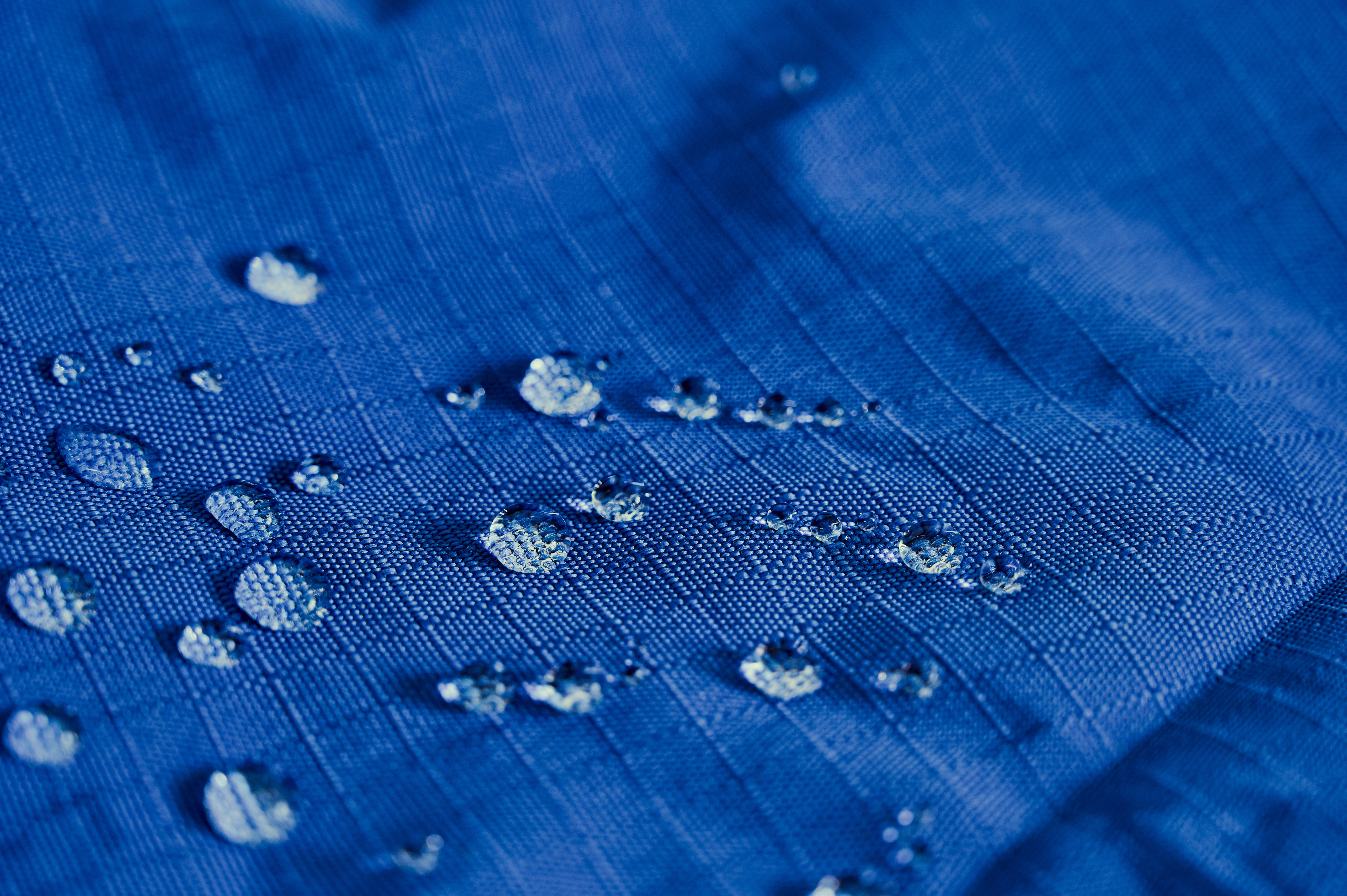
Waterproof ratings are measured in millimeters of hydrostatic head, which is a fancy way of describing how much water pressure a fabric can withstand before it starts to leak. A 10,000mm rating, written as 10K, means a column of water 10,000mm tall would need to sit on that fabric before moisture pushes through. A 20,000mm rating, or 20K, doubles that threshold, which translates to noticeably more protection in wet, heavy snow or a full day of steady precipitation.
You will usually see this written as two numbers separated by a slash, like 10K/10K or 20K/20K. The first number is waterproofing and the second is breathability, measured in grams of moisture vapor that can pass through the fabric in a 24 hour period. A jacket with matched numbers, like 10K/10K, offers balanced protection and breathability for resort days and variable conditions. Higher numbers on both sides mean more protection and more breathability, which usually comes with a higher price tag and a shell built for bigger days in the mountains.
Gore-Tex sits in its own category. Rather than a single hydrostatic head number, Gore-Tex is a proprietary membrane technology laminated into the fabric itself. Gore-Tex membranes are independently tested and guaranteed waterproof and windproof for the life of the garment, which is why you will often see a hydrostatic head figure alongside the Gore-Tex name on higher end pieces. It is less about a single number and more about a certified system of waterproofing and breathability working together, built using one of the layer constructions covered next.
Layer Construction 101: 2-Layer, 2.5-Layer, and 3-Layer
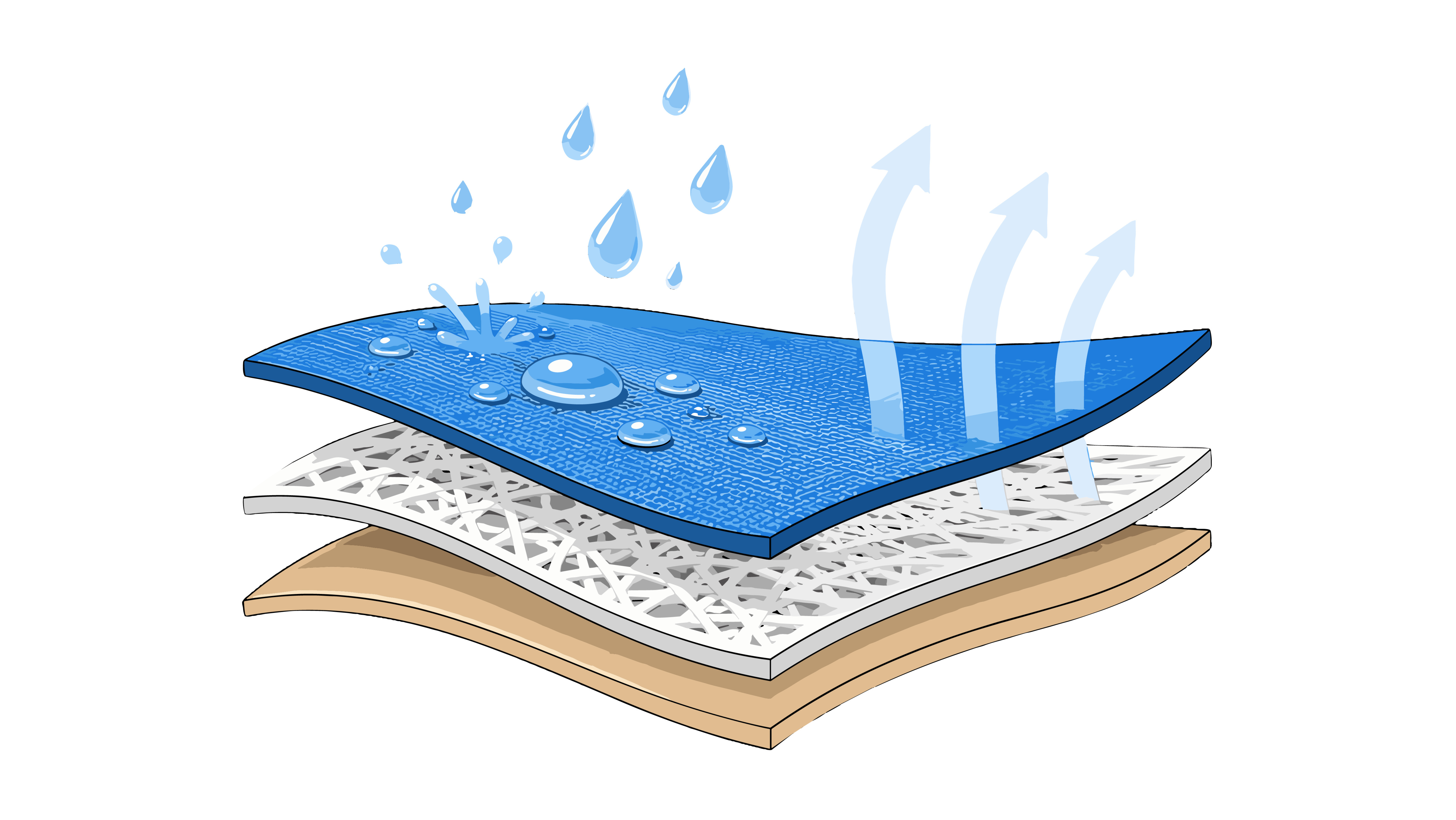
Waterproof rating and seam taping tell you how a jacket resists water, but layer construction tells you how the waterproof membrane is actually built into the fabric. It is the third piece of the puzzle, and it has a direct effect on weight, packability, durability, and price, whether the jacket carries a 10K rating or a Gore-Tex membrane.
2-layer construction bonds the face fabric to the waterproof membrane, then adds a separate hanging liner, usually a mesh or brushed tricot, sewn in loosely on the inside for comfort against the skin. It is the most common and most affordable construction on the market, though the loose interior liner adds a bit of bulk and weight compared to more fully bonded builds. The Flylow Lone Pine Gore-Tex 2L Jacket and Freya Gore-Tex 2L Jacket covered below are 2-layer examples, along with the Flylow Avery Jacket and Foxy Insulated Bib.
2.5-layer construction also bonds the face fabric to the membrane, but instead of a separate liner it applies a thin protective print or coating directly to the inside of the fabric. That shaves weight and packed size compared to a 2-layer build, at the cost of some in-fabric comfort, and it shows up most often on lightweight alpine and ski touring shells where minimizing weight in the pack matters more than a plush interior feel.
3-layer construction laminates the face fabric, the membrane, and the liner into a single bonded fabric with no separate hanging layer inside. It is the most durable and most breathable construction for a given weight, and it is the standard for premium ski shells built to take repeated abuse from tree branches, rock, and edge tools. The Flylow Billie Coat, Lab Gore-Tex 3L Jacket, Malone Jacket, Lucy Jacket, Baker and Foxy Gore-Tex 3L Bibs, Rab Namche GTX Jacket, and Rab Khroma Converge Jacket and Pants covered throughout this guide are all 3-layer builds.
Seam Taping 101: No Taped, Critically Taped, and Fully Taped
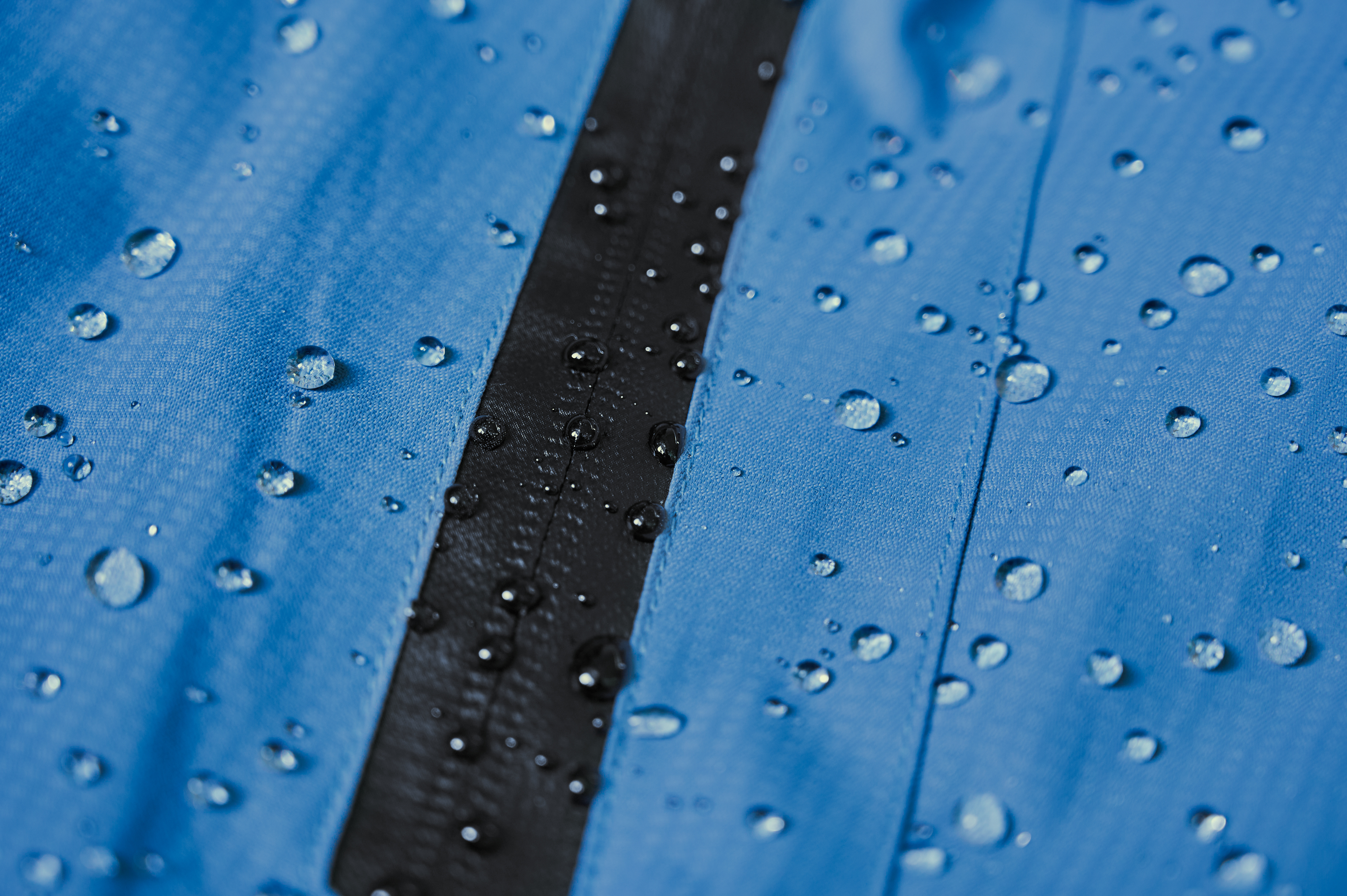
A waterproof fabric is only as good as its weakest point, and that weak point is almost always the seams. Every time a sewing needle punctures fabric, it leaves a tiny hole, and manufacturers deal with those holes in one of three ways.
No taped seams means the seams are sewn but left untreated. Water can work its way through the needle holes over time, so this construction shows up mostly on lighter rain jackets and packable layers rather than dedicated ski gear, since it is not built to hold up against sustained snow and moisture.
Critically taped seams, sometimes called critical seam taping, means waterproof tape is applied only to the seams in the areas most exposed to moisture, typically the shoulders, hood, and upper body. It is a middle ground that keeps the areas most likely to take on snow and driving precipitation sealed, while trimming a bit of weight and cost compared to taping the entire garment.
Fully taped seams, also called fully seam-taped construction, means every seam in the jacket, pant, or bib is taped, from the shoulders down to the hem and everywhere in between. This is the standard for serious ski gear built to handle deep powder days, wipeouts, and prolonged exposure to wet snow, since there is no seam left unprotected.
With those definitions in mind, here is how they show up across the FW26 lineup, tier by tier and brand by brand.
10K/10K: Entry-Level Resort Protection
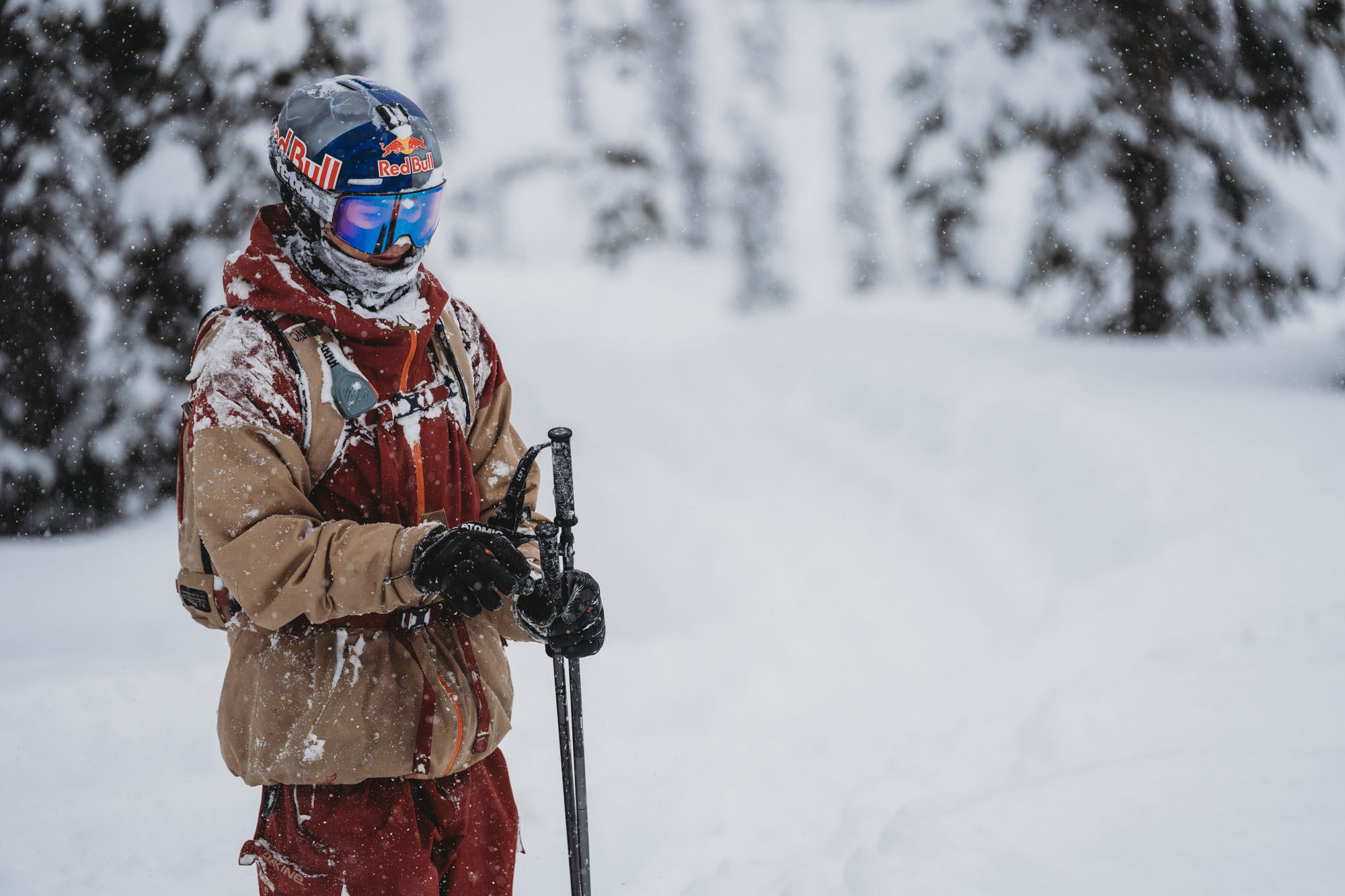
A 10K/10K rating is a great entry point into dedicated ski gear, striking a balance that handles everything from mild resort laps to a mid-storm day without the bulk or cost of a top-tier shell.
Best Entry-Level Resort Jacket: Dakine Siphon Jacket and Picture Organic Sygna Ski Jacket
The Dakine Siphon Jacket is built around a 10K waterproof and 10K breathable PFAS-free construction with critically taped seams, so the shoulders, hood, and upper body stay sealed against the moisture they see most. An articulated regular fit, a tri-pull adjustable fixed hood, and zippered pit vents keep heat management in the mix alongside weather protection, making this a smart choice for skiers who spend most of their time at the resort and want reliable coverage without paying for backcountry-grade protection they will not use.
For women, the Picture Organic Sygna Ski Jacket fills the same do-everything resort role and steps up to a Dryplay 20K/20K membrane with a Teflon Ecoelite PFC free DWR treatment. An ergonomic three-point adjustment hood, waterproof-zip hand and chest pockets, a ski pass pocket, and pit zips cover the essentials, while thumbhole wrist gaiters and a fixed snow skirt keep snow out at the cuffs and waist. The jump from 10K to 20K buys a little extra margin on the stormier resort days without moving into backcountry-grade territory.
Dakine Men's Siphon Jacket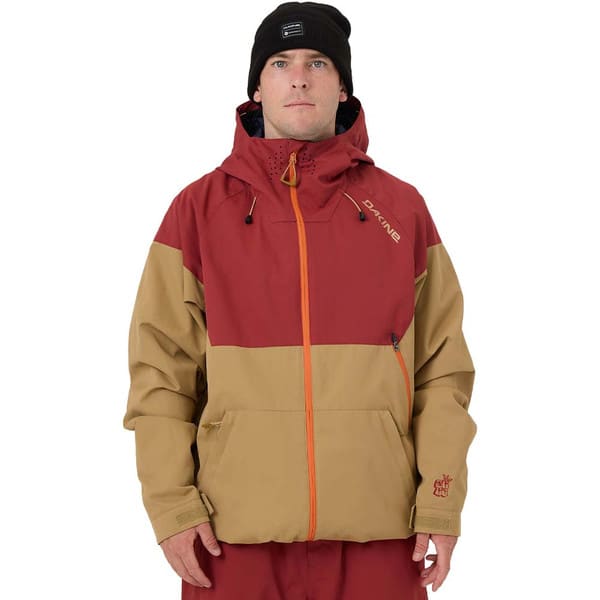   |
Picture Organic Women's Sygna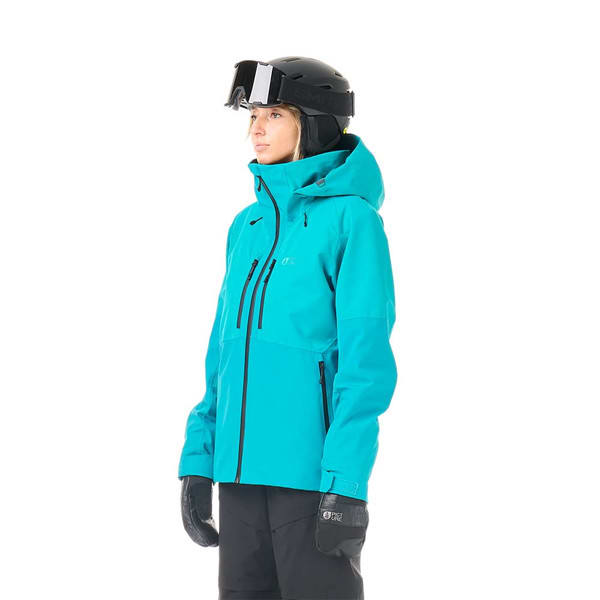 |
Best Entry-Level Resort Pant: Dakine Laredo Pant and Picture Organic Exa Ski Pant
The Dakine Laredo Pant steps up from the 10K tier with a 20K/15K PFAS-free shell, critically taped seams, and PrimaLoft synthetic insulation for cold resort days without the bulk of a heavier fill. A relaxed fit leaves room to layer, coated taffeta boot gaiters and a snap leg gusset seal out snow at the boot, and mesh-lined vents release heat when the pace picks up. An adjustable waistband dials in the fit, and the jacket-to-pant attachment system connects directly to the matching Laredo Jacket for a fully integrated setup.
For women, the Picture Organic Exa Ski Pant pairs naturally with the Sygna Jacket, using a Dryplay 20K/20K membrane and Teflon Ecoelite PFC free DWR treatment to handle everything from spring slush to midwinter storms. An elastic waistband and ergonomic shaping at the waist and knee keep movement natural, while snap buttons at the hem and snow gaiters seal out snow at the boot line.
Dakine Men's Laredo Pant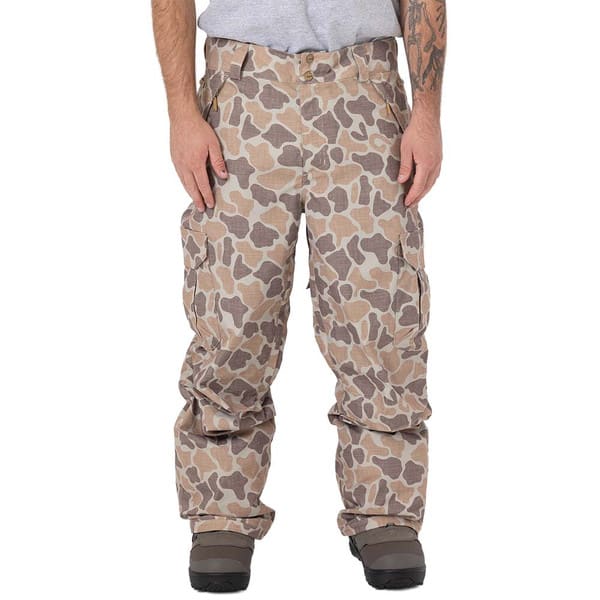 |
Picture Organic Women's Exa Pant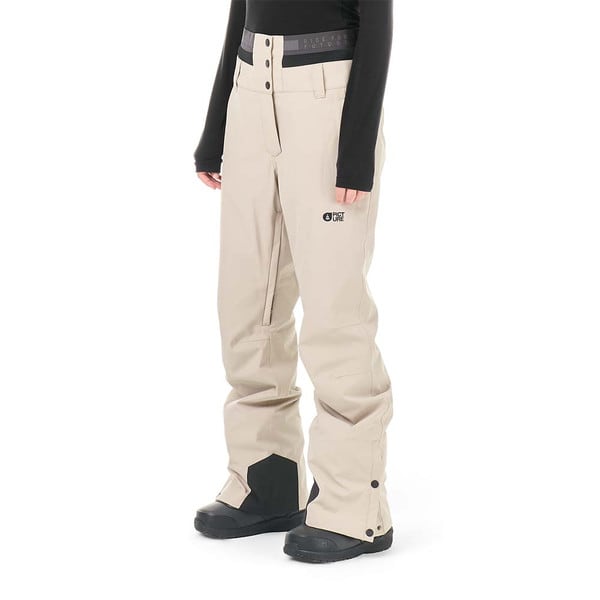 |
Best Budget-Friendly 10K Shell: Picture Organic Nitric Jacket and Picture Organic Lement Ski Jacket
The Picture Organic Nitric Jacket brings a Dryplay 10K/10K membrane to a straight-cut shell built for resort riders who want solid protection at a smart price. An ergonomic hood with single-point adjustment dials in fit quickly, a YKK waterproof front zip and chest pocket keep the elements out, and Lyca wrist gaiters lock out snow at the cuff. It is a lightweight option for skiers who want to pair a dependable shell with a heavier duty pant or bib of their choosing.
The women's counterpart, the Picture Organic Lement Ski Jacket, shares the Nitric's Dryplay 10K/10K membrane, Teflon Ecoelite PFC free DWR, and single-point adjustable ergonomic hood. A YKK front zip with snaps under a storm flap, a waterproof-zip chest pocket, a ski pass pocket, and pit zips handle everyday resort duty, and a fixed snow skirt with an adjustable drawcord waist keeps snow out when you go down. Bold prints and solid colorways give it a little extra personality on the hill.
Picture Organic Men's Nitric Jacket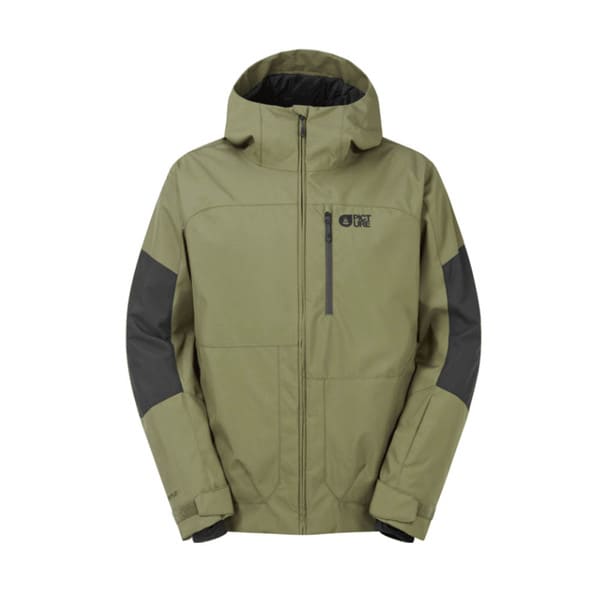 |
Picture Organic Women's Lement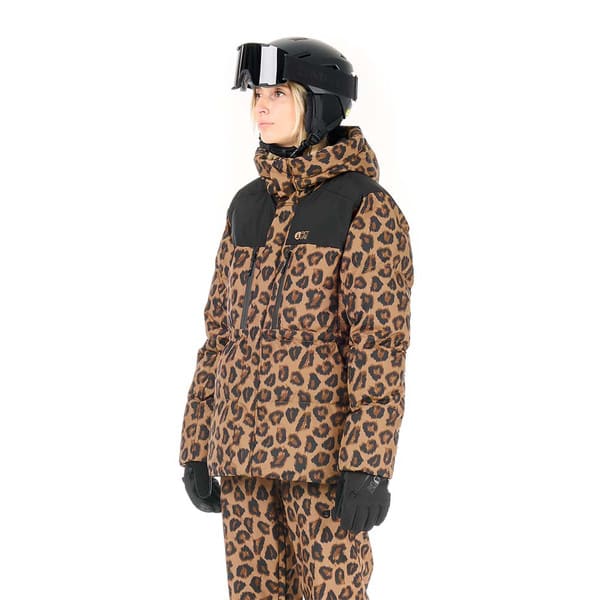 |
20K/20K: Storm-Ready Protection
Step up to 20K/20K and you are looking at double the waterproof, breathable performance, which matters most on the days when the weather refuses to cooperate.
Best 20K/20K Storm Jacket: Flylow Lab Gore-Tex 3L Jacket and Flylow Billie Coat
For men, the Flylow Lab Gore-Tex 3L Jacket takes storm protection a step past 20K/20K with a 3-layer GORE-TEX shell built from 100% recycled polyester and fully seam-taped from top to bottom. Fourteen-inch pit zips, a 3-way adjustable helmet-compatible hood, a removable powder skirt, and five pockets, including a beacon sleeve in the right chest pocket, make it just as ready for long backcountry approaches as it is for all-day storm laps at the resort.
The Flylow Billie Coat is a women's 3-layer hardshell built from Intuitive Surface fabric that delivers 20K/20K performance with fully seam-taped construction and waterproof zippers throughout. Every seam on this jacket is sealed, not just the high-exposure zones, which makes it a dependable choice for all-day storm skiing. Three internal zippered pockets, a helmet-compatible hood, and a removable powder skirt round out a jacket built for long days on the mountain.
Flylow Men's Lab Gore-Tex 3L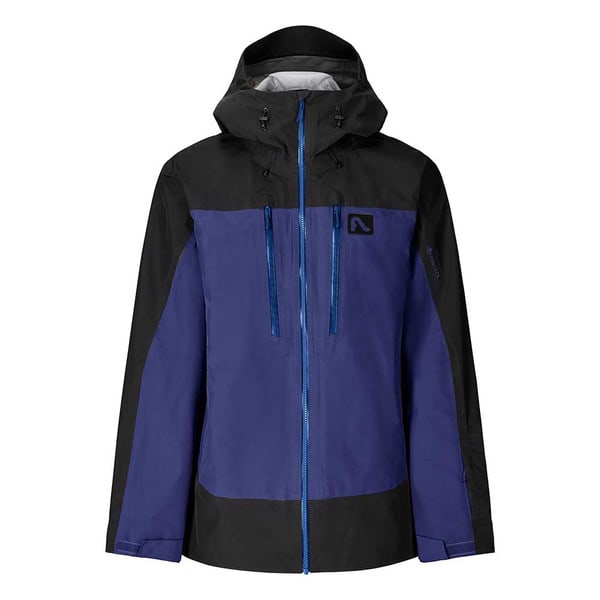 |
Flylow Women's Billie Coat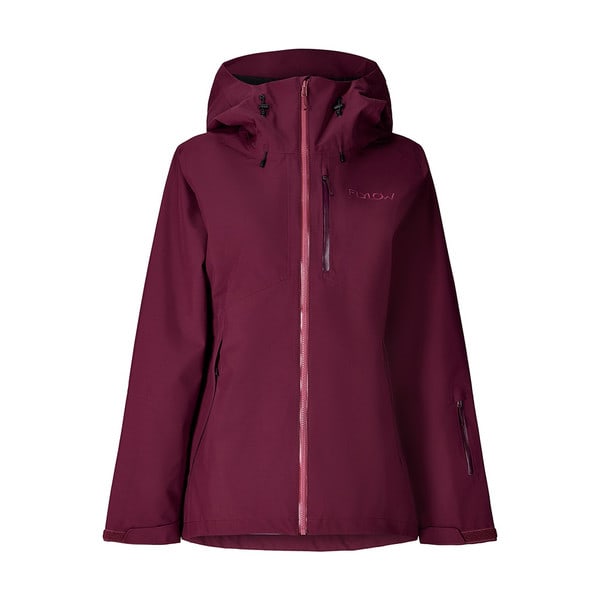 |
Best 20K/20K Insulated Bib: Flylow Baker Insulated Bib and Flylow Foxy Insulated Bib
The Flylow Baker Insulated Bib brings the same 20K/20K rating to the lower body, adding 40g Primaloft Black ECO insulation for cold resort days when a shell alone is not enough. Fully seam-taped construction runs the length of the bib, and 500 denier cuff and knee reinforcements add durability where wear happens fastest. Paired with a fully seam-taped 20K/20K shell, this combination represents a meaningful jump in protection over a 10K/10K setup for skiers willing to carry a bit more warmth and weight to get it.
For women, the Flylow Foxy Insulated Bib brings the same 20K/20K protection and 40g Primaloft Black ECO insulation to the fan-favorite Foxy fit. Its Intuitive Tactic 2-layer softshell fabric is fully seam-taped with waterproof zippers, so cold, wet resort days stay comfortable from the chest down to the boot. Paired with the Billie Coat, it completes a fully seam-taped women's storm kit.
Flylow Men's Baker Insulated Bib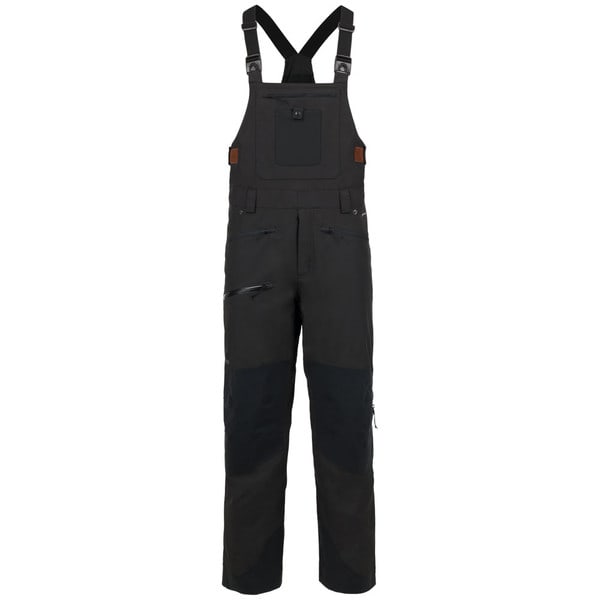 |
Flylow Women's Foxy Insulated Bib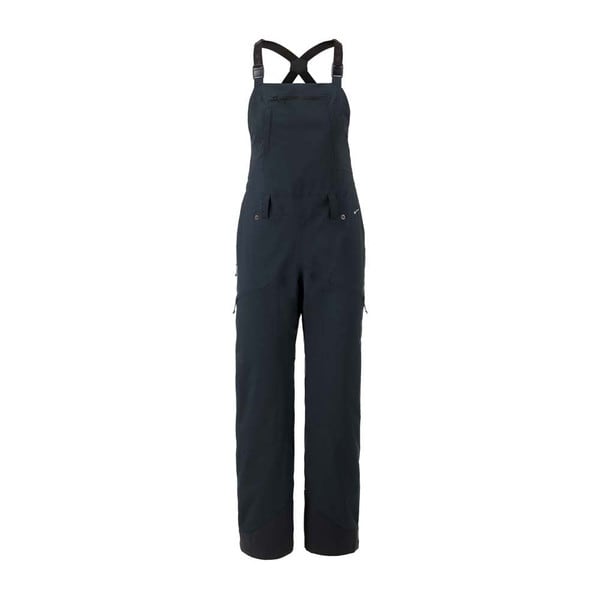 |
Softshells: Stretch Without Sacrifice
Not every ski day calls for a rigid hardshell, and that is where softshell construction earns its place in the lineup. A softshell trades the stiff, armor-like feel of a traditional shell for stretch and comfort, without giving up waterproof performance or seam protection.
Best Softshell Ski Jacket: Flylow Malone Jacket and Flylow Lucy Jacket
The Flylow Malone Jacket is built from Intuitive Tactic 3-layer softshell fabric, still carrying a 20K/20K waterproof and breathable rating and fully seam-taped construction, but in a soft, body-mapped fabric with four-way stretch that moves with you through skinning, resort laps, and everything in between. An internal zippered pocket, a removable powder skirt, and a helmet-compatible hood cover the functional details, making the Malone a strong option for skiers who want hardshell-level protection in a jacket that feels more like a technical softshell layer.
The women's Flylow Lucy Jacket is built from the same Intuitive Tactic 3-layer softshell fabric, with a 20K/20K rating, fully seam-taped construction, and a stretchy, comfortable fit that has made it a fan favorite. A helmet-compatible hood, removable powder skirt, sleeve pass pocket, and interior zippered chest pocket cover a full ski day, and at about 1 lb 6 oz it stays light enough to wear on the skin track.
Flylow Men's Malone Jacket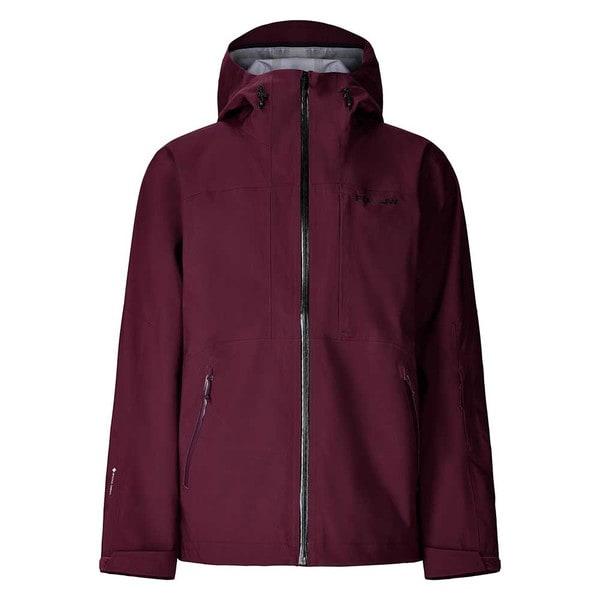 |
Flylow Women's Lucy Jacket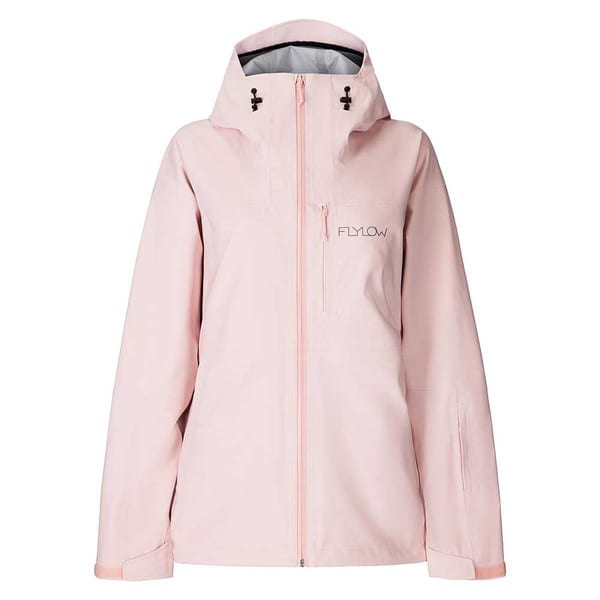 |
Insulated Shells: Built-In Warmth
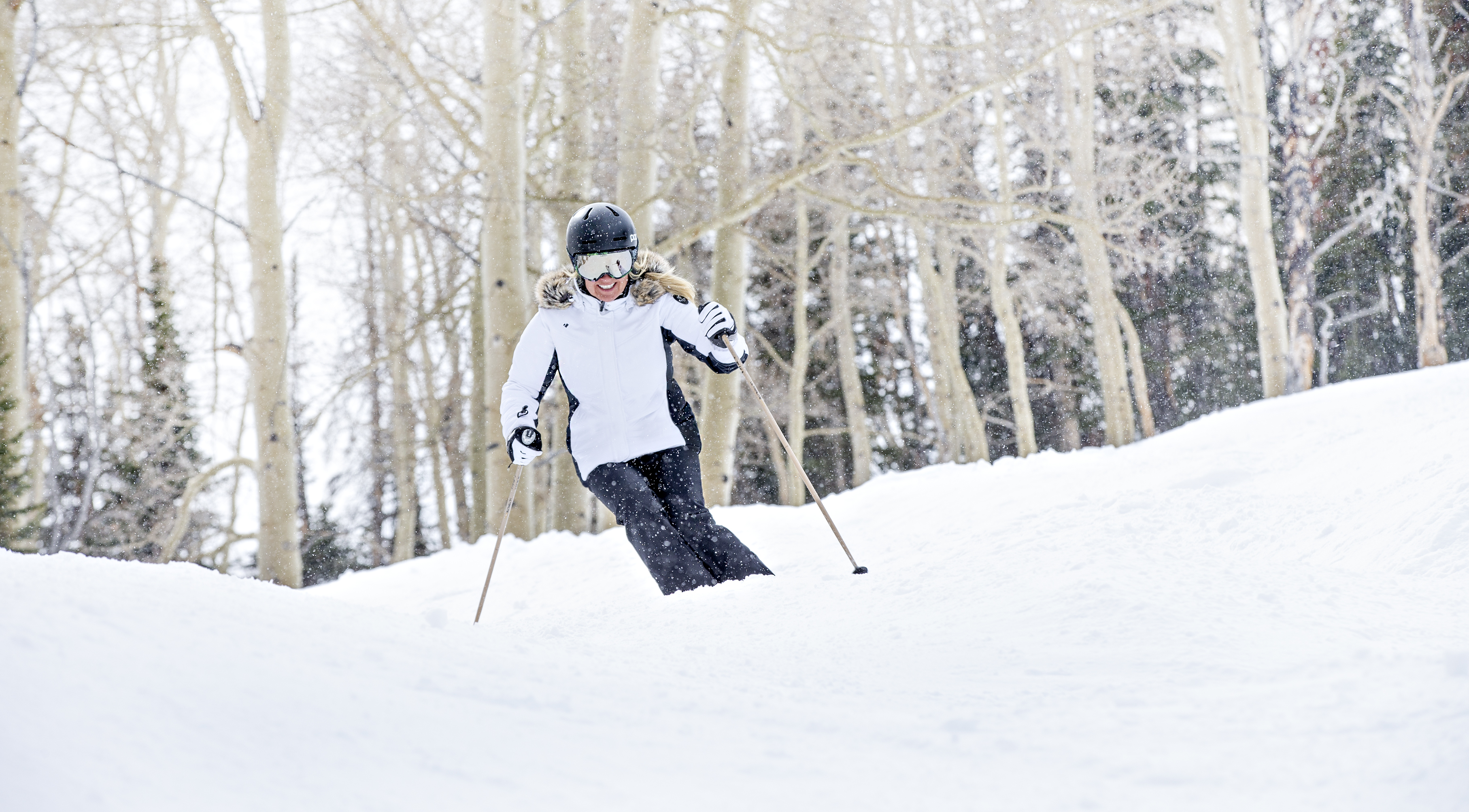
Insulated shells combine waterproofing with built-in warmth, so there is no separate midlayer required on cold resort days. Three brands cover this category well.
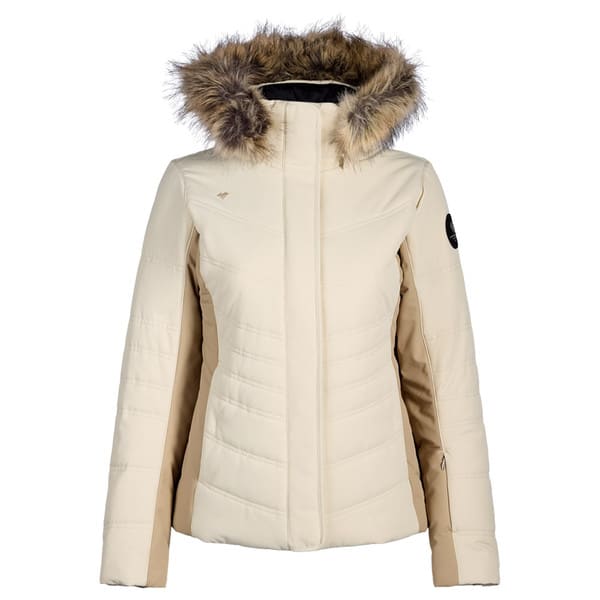
Best Insulated Resort Jacket: Obermeyer Tuscany II Jacket
The Obermeyer Tuscany II Jacket pairs a 10K/10K HydroBlock Sport waterproof-breathable shell with Primaloft Rise Black insulation through the body, sleeves, and hood. A removable faux fur trim adds a resort-ready finish, and a regular fit with a 26.5 in center back length strikes a balance between coverage and mobility. This is the jacket for skiers who want reliable warmth built into an everyday resort shell.
 |
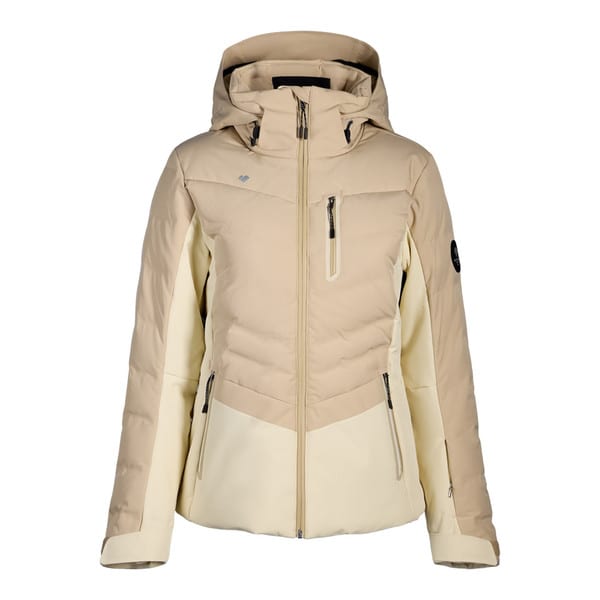
Best Down Insulated Jacket: Obermeyer Cosima Down Jacket
For a warmer build, the Obermeyer Cosima Down Jacket steps up to a 15K/15K HydroBlock Pro shell with 2-way stretch, blending 550 fill power down in the upper body and hood with synthetic insulation in the lower body and underarms. The areas that generate the most heat stay breathable while the rest stays warm, and the 2-way stretch construction moves with you through moguls and groomers without binding up.
 |
Best Insulated Jacket for Layering: Dakine Laredo Jacket and Flylow Avery Jacket
The Dakine Laredo Jacket brings a 20K/15K waterproof and breathable PFAS-free shell with critically taped seams and PrimaLoft synthetic insulation. A relaxed fit allows room to layer over base and midlayers without restriction, and the jacket-to-pant attachment system connects to a matching Dakine pant or bib for a fully integrated cold-weather setup.
On the women's side, the Flylow Avery Jacket pairs a Lux 2-layer hardshell rated 20K/20K with Primaloft Black ECO insulation, mapped heavier through the body and lighter in the sleeves and hood. Twelve-inch underarm vents dump heat on bigger days, a quilted interior adds comfort, and a helmet-compatible hood with adjustable cuffs and hem seals out the weather on cold resort laps.
Dakine Men's Laredo Jacket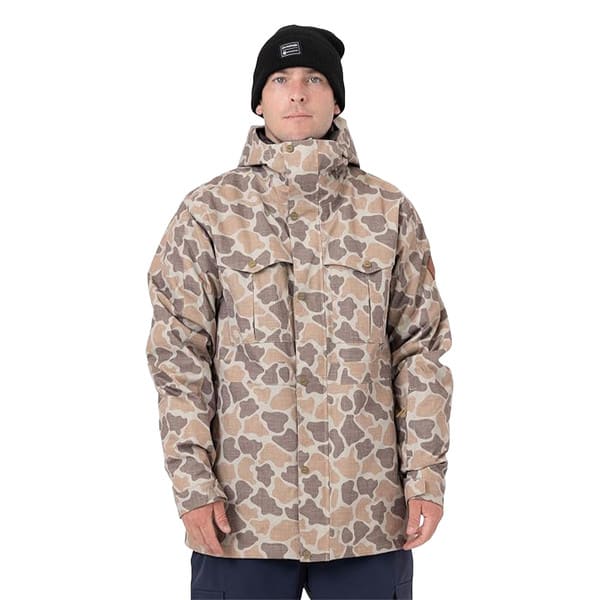 |
Flylow Women's Avery Jacket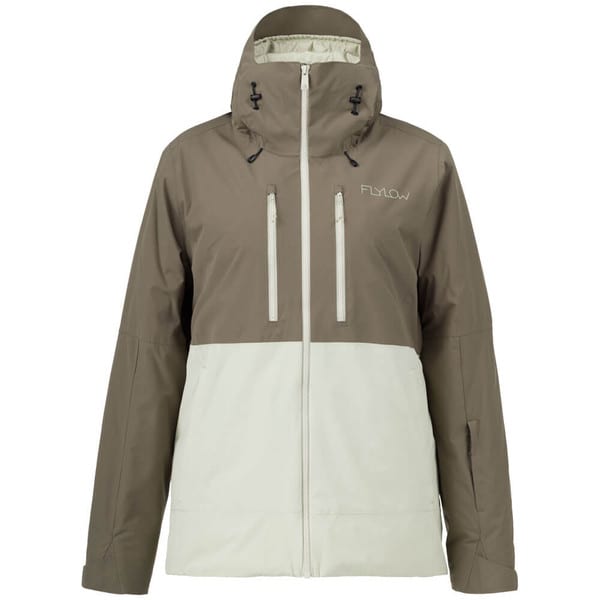 |
The Gore-Tex Collection: Certified Top-Tier Protection
For the highest tier of waterproof protection, Gore-Tex membrane construction shows up across jackets, pants, and bibs from multiple brands in the FW26 lineup, each one fully seam-taped from top to bottom and built using the 2-layer or 3-layer methods covered above.
Best Gore-Tex Jacket: Flylow Lone Pine Gore-Tex 2L Jacket and Flylow Freya Gore-Tex 2L Jacket
The Flylow Lone Pine Gore-Tex 2L Jacket is built from a 2-layer GORE-TEX outer with a fleece-lined taffeta interior, delivering supreme waterproofing and top-tier breathability in a fully seam-taped shell designed for resort and sidecountry days alike. Fleece lining in key warmth zones, underarm vents, and a 3-way adjustable helmet-compatible hood round out a jacket built to be worn hard, all season long.
The women's Flylow Freya Gore-Tex 2L Jacket takes the same approach with a 2-layer GORE-TEX shell, a recycled taffeta lining, and 60g Primaloft Black ECO insulation for a touch of extra warmth. Ventilation zippers along each sleeve, a helmet-compatible hood, adjustable cuffs and hem, and internal dump, zippered, and sleeve pass pockets make it a streamlined storm shell for resort laps, powder days, and wet-weather skiing.
Flylow Men's Lone Pine Gore-Tex 2L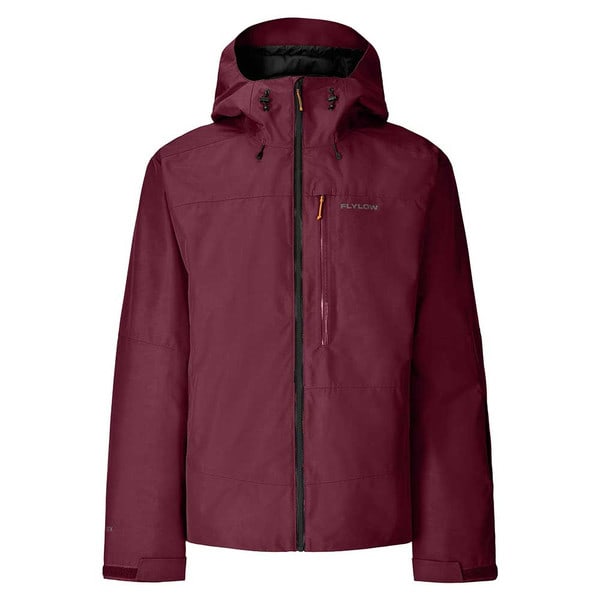 |
Flylow Women's Freya Gore-Tex 2L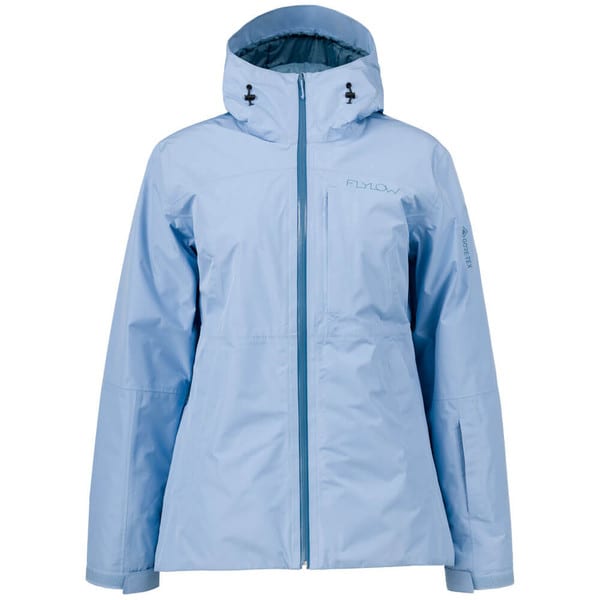 |
Best Gore-Tex Hardshell for Everyday Use: Rab Namche GTX Jacket and Rab Khroma Converge Gore-Tex Ski Jacket
The Rab Namche GTX Jacket brings a 3-layer recycled GORE-TEX construction with 28,000mm of waterproof protection and a solution-dyed backer, built for hikers and all-mountain users who want a hardshell that holds up to everyday abuse on and off the resort.
For women, the Rab Khroma Converge Gore-Tex Ski Jacket brings 3-layer GORE-TEX to a burlier, ski-specific shell that stays light and packable for the protection it offers. A regular fit leaves room to layer, articulated sleeves keep you mobile, and vent zips, a removable powder skirt, a helmet-compatible hood, and plenty of pockets make it as comfortable in the backcountry as it is on the resort.
Rab Men's Namche GTX Jacket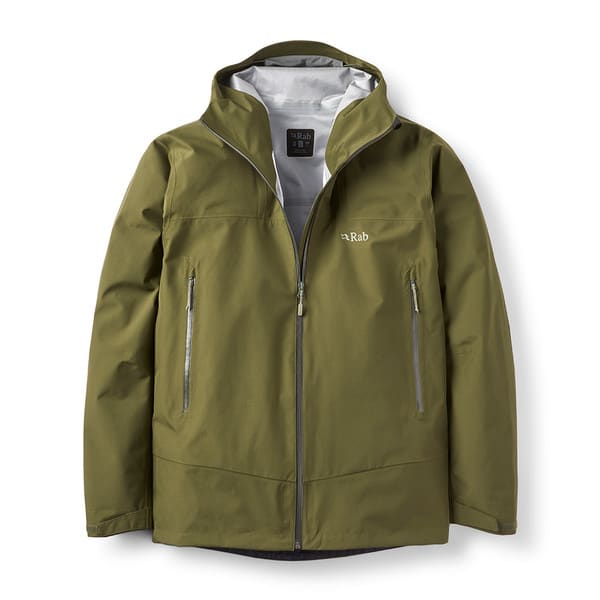 |
Rab Women's Khroma Converge Gore-Tex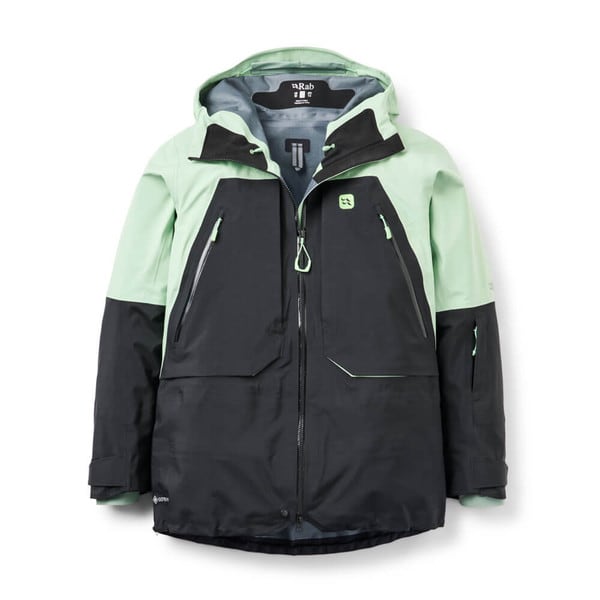 |
Best Gore-Tex Ski Pant: Picture Organic Object Gore-Tex Ski Pant and Rab Khroma Converge Gore-Tex Ski Pants
The Picture Organic Object Gore-Tex Ski Pant uses a Gore-Tex 4PE membrane with a PFC-free DWR treatment, delivering full waterproof and windproof protection in a clean, straight-cut build. Snow gaiters and snap closures at the hem seal out snow at the boot line, while a waterproof-zip thigh pocket keeps essentials dry and accessible.
The women's Rab Khroma Converge Gore-Tex Ski Pants use 3-layer GORE-TEX that stays durable despite a light, thin feel. Outer thigh vents dump heat on the skin track, zippered hems open up to internal boot gaiters, and inner leg kick patches stand up to sharp ski edges.
Picture Organic Men's Object Gore-Tex Ski Pant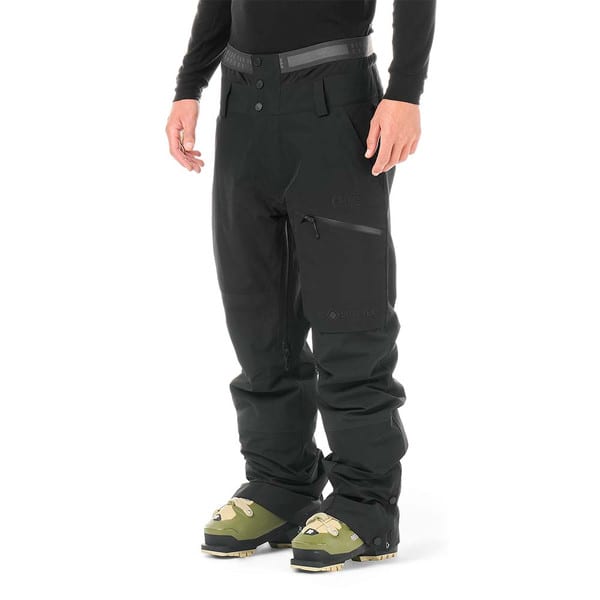 |
Rab Women's Khroma Converge Gore-Tex Ski Pants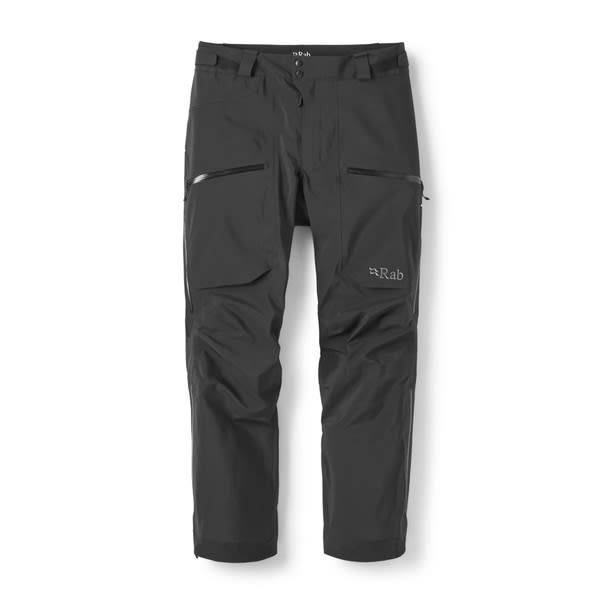 |
Best Gore-Tex Bib: Flylow Baker Gore-Tex 3L Bib and Flylow Foxy Gore-Tex 3L Bib
Rounding out the collection, the Flylow Baker Gore-Tex 3L Bib and its women's counterpart, the Foxy Gore-Tex 3L Bib, bring 3-layer GORE-TEX construction to the bib category. Both are fully seam-taped and built for backcountry and resort skiing alike, with a stretch softshell back panel for mobility, a dedicated beacon sleeve for avalanche transceiver access, and reinforced cuffs and knees to handle repeated seasons of hard use.
Flylow Men's Baker Gore-Tex 3L Bib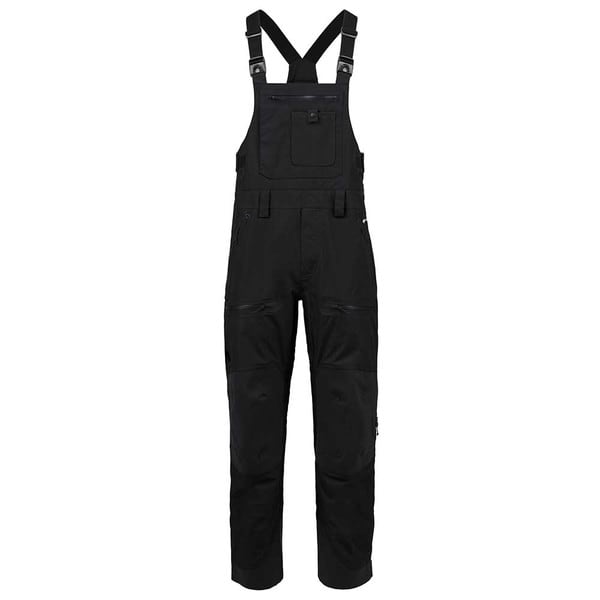 |
Flylow Women's Foxy Gore-Tex 3L Bib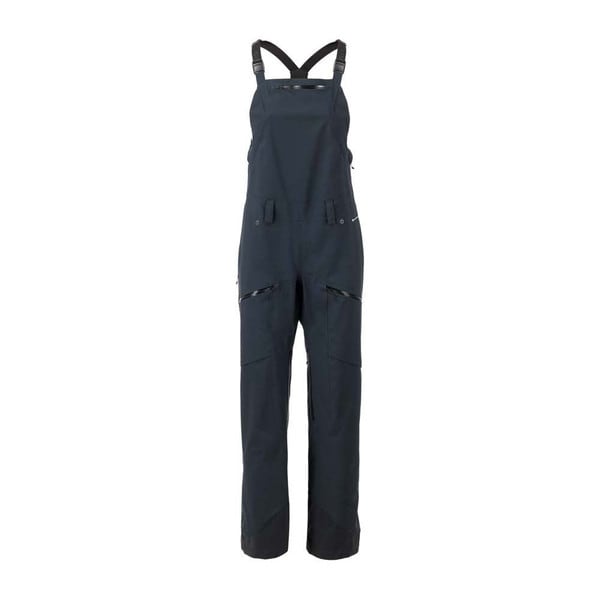 |
Quick Reference: Which Waterproof Rating for Your Ski Day
| If you are skiing... | Look for this rating | Seam construction | Example from this guide |
| Resort days, casual riders | 10K/10K | Critically taped | Dakine Siphon Jacket and Laredo Pant, Picture Organic Sygna Jacket and Exa Pant |
| Budget-conscious resort skiing | 10K/10K | Not specified, verify before publishing | Picture Organic Nitric and Lement Jackets |
| Storm days, wet heavy snow | 20K/20K | Fully taped | Flylow Lab Gore-Tex 3L Jacket, Billie Coat, Baker and Foxy Insulated Bibs |
| Active days, skinning and stretch | 20K/20K softshell | Fully taped | Flylow Malone and Lucy Jackets |
| Cold, dry resort days | 10K to 15K insulated | Varies by brand, verify before publishing | Obermeyer Tuscany II and Cosima Down |
| Matched insulated head-to-toe kit | 20K/20K insulated | Not specified, verify before publishing | Picture Organic Goods Jacket and Object Pants |
| Backcountry days, deep powder | Gore-Tex (2L, 3L, or 4PE) | Fully taped | Flylow Lone Pine and Freya Jackets, Baker and Foxy GTX Bibs, Rab Namche GTX and Khroma Converge Jacket and Pants, Picture Organic Object GTX Pant |
Frequently Asked Questions
What does a 10K/10K waterproof rating mean on a ski jacket? The first number is the hydrostatic head rating in millimeters, showing how much water pressure the fabric resists before leaking. The second number is breathability, measured in grams of moisture vapor released over 24 hours. A 10K/10K jacket offers balanced, entry-level protection suited to resort days and variable conditions.
What is the difference between a 10K and a 20K ski jacket? A 20K jacket withstands roughly double the water pressure of a 10K jacket before leaking, which matters most on wet, heavy snow days or long stretches of steady precipitation. Higher-rated jackets typically also breathe better and cost more.
What is Gore-Tex and how is it different from a 10K or 20K rating? Gore-Tex is a proprietary waterproof membrane laminated into the fabric, independently tested and guaranteed waterproof and windproof for the life of the garment. Rather than a single hydrostatic head figure, it represents a certified system, and Gore-Tex garments often list a hydrostatic head number alongside the Gore-Tex name.
What is the difference between 2-layer, 2.5-layer, and 3-layer construction? The numbers describe how the waterproof membrane is bonded into the fabric. 2-layer construction bonds the face fabric to the membrane and adds a separate hanging liner inside. 2.5-layer construction skips the separate liner for a thin protective coating, saving weight and pack size. 3-layer construction laminates the face fabric, membrane, and liner into one bonded fabric, which is the most durable and breathable option for a given weight. Ski jackets and pants use 2-layer, 2.5-layer, or 3-layer builds. 4-layer fabric exists but is used in waders and fishing gear, not ski apparel.
What are critically taped seams? Critically taped seams have waterproof tape applied only to the areas most exposed to moisture, typically the shoulders, hood, and upper body. It is a middle ground between no taping and fully taped construction.
What is the difference between critically taped and fully taped seams? Fully taped seams have waterproof tape applied to every seam in the garment, from shoulders to hem. Critically taped seams cover only the highest-exposure zones. Fully taped construction offers more complete protection and is the standard for serious ski gear built for deep powder and prolonged exposure.
Do ski jackets need fully taped seams? For backcountry days, deep powder, or prolonged storm exposure, fully taped seams are worth the extra weight and cost. For casual resort days, critically taped seams on a jacket with a solid waterproof rating are usually enough.
What is a softshell ski jacket? A softshell ski jacket uses a stretchy, body-mapped fabric instead of a rigid hardshell face fabric. It trades some of the stiff, armor-like feel of a traditional shell for stretch and comfort, while still carrying a waterproof rating and seam-taped construction.
Do insulated ski jackets need a separate midlayer? Insulated shells combine waterproofing with built-in insulation, so a separate midlayer is usually not needed on cold resort days. On milder days or during high-output activity like touring, a lighter midlayer under a non-insulated shell offers more flexibility.
Find Your Fit at Campman
Waterproof ratings and seam construction work together, not separately. A high hydrostatic head number on a jacket with only critically taped seams will still leak eventually if the untaped seams sit in a high-exposure zone, and a fully taped jacket at a lower rating may struggle on the wettest, heaviest snow days. Softshells trade some outright waterproofing for stretch and comfort, insulated shells trade pack weight for built-in warmth, and Gore-Tex commands a premium for a certified, guaranteed membrane. All of the pieces in this guide are in stock at Campman. Stop by the warehouse or shop online to try on this season's lineup and find the waterproof rating that matches how you actually ski.
About the Author
 Derek Newman
Share on: