
Utah's Best Fall Hiking Trails for Leaf-Peeping Season
Posted by Derek Newman on 22nd Sep 2026
There's a short window every year when the Wasatch goes gold, and every local knows it doesn't last. Aspens that were solid green in August can flip to yellow, orange, and deep red in a matter of days, and once the wind picks up, that window closes fast. If you're planning a fall hike anywhere from Big Cottonwood Canyon to Millcreek, timing and trail choice both matter. Here's where to go, when to go, and what to expect on the ground.
Quick Answer: The best fall foliage hikes near Salt Lake City are Willow Heights and Lake Blanche in Big Cottonwood Canyon, Grandeur Peak in Millcreek Canyon, and Bell Canyon Reservoir above Sandy. Peak color usually moves through the Wasatch Front from late September through mid October, with high basins like Albion turning first and canyon bottom aspen groves following two to three weeks later.
When to Go: Fall Color Timing in the Wasatch
Fall color in Utah doesn't move on a single calendar date, it moves with elevation. The high basins above 9,000 feet, think Albion Basin and the ridgeline near Guardsman Pass, typically start turning in mid to late September. Canyon bottom trails in Big Cottonwood, Little Cottonwood, and Millcreek Canyons, most of which sit between 6,000 and 7,500 feet, usually peak from the last week of September into the middle of October. A hard frost or a windstorm can strip a hillside overnight, so if you have a specific trail in mind, check recent trip reports the week before you go rather than planning around a fixed date.
A few canyons in the Wasatch charge a small parking or entrance fee, and access to some of the higher trailheads can close for the season once the first real snow hits, sometimes as early as mid October. Plan accordingly and always have a backup canyon in mind.
Our Top Trails for Fall Color
These seven trails cover a range of distance and difficulty, from stroller friendly waterfalls to a full alpine summit, but they all deliver serious color when the timing lines up.
Willow Heights Trail (Big Cottonwood Canyon)
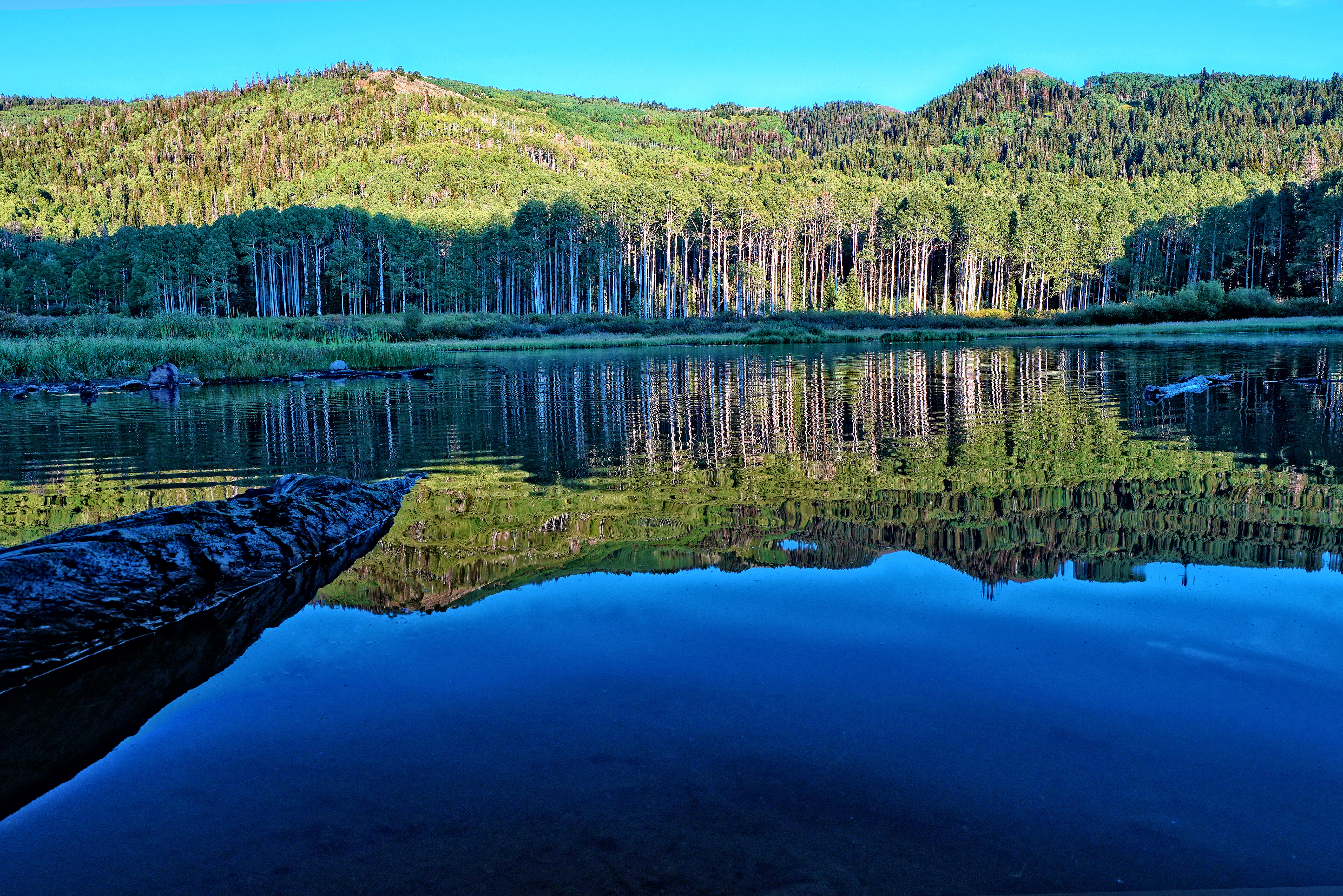
This is the trail I send people to when they only have an hour and want to see the most aspen for the least effort. It's a 2.7 mile out and back with roughly 690 feet of elevation gain, climbing steadily through a dense aspen grove before opening up at Willow Lake. The canopy overhead turns the whole trail into a tunnel of yellow and gold at peak color, and the lake gives you a clean mirror shot on a calm morning. Dogs aren't allowed since the trail sits inside a protected watershed, and the small pullout parking area fills early on weekends.
Donut Falls (Big Cottonwood Canyon)
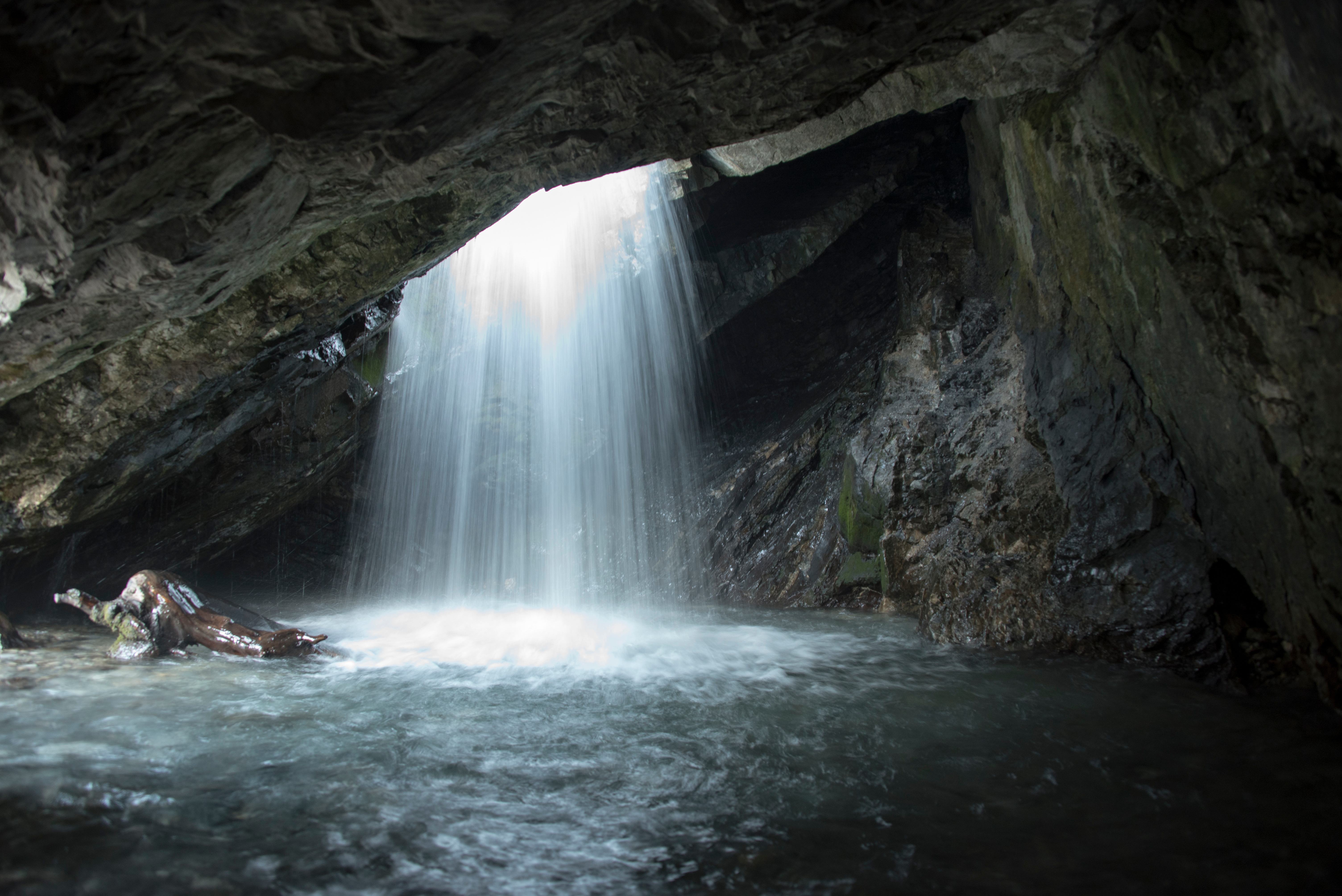
Donut Falls is the easiest true payoff hike on this list and a good pick if you're bringing kids or a less experienced hiker. From the main trailhead it's about 3.4 miles round trip with 500 feet of gain, though a shorter option from the upper parking lot cuts that down to under a mile each way. The trail follows Mill D South Fork through a mix of maple and aspen, and the falls themselves drop through a natural rock arch you can walk right up into. Get there early, this is one of the busiest trails in the canyon on a fall weekend.
Bell Canyon Reservoir (Little Cottonwood Canyon)
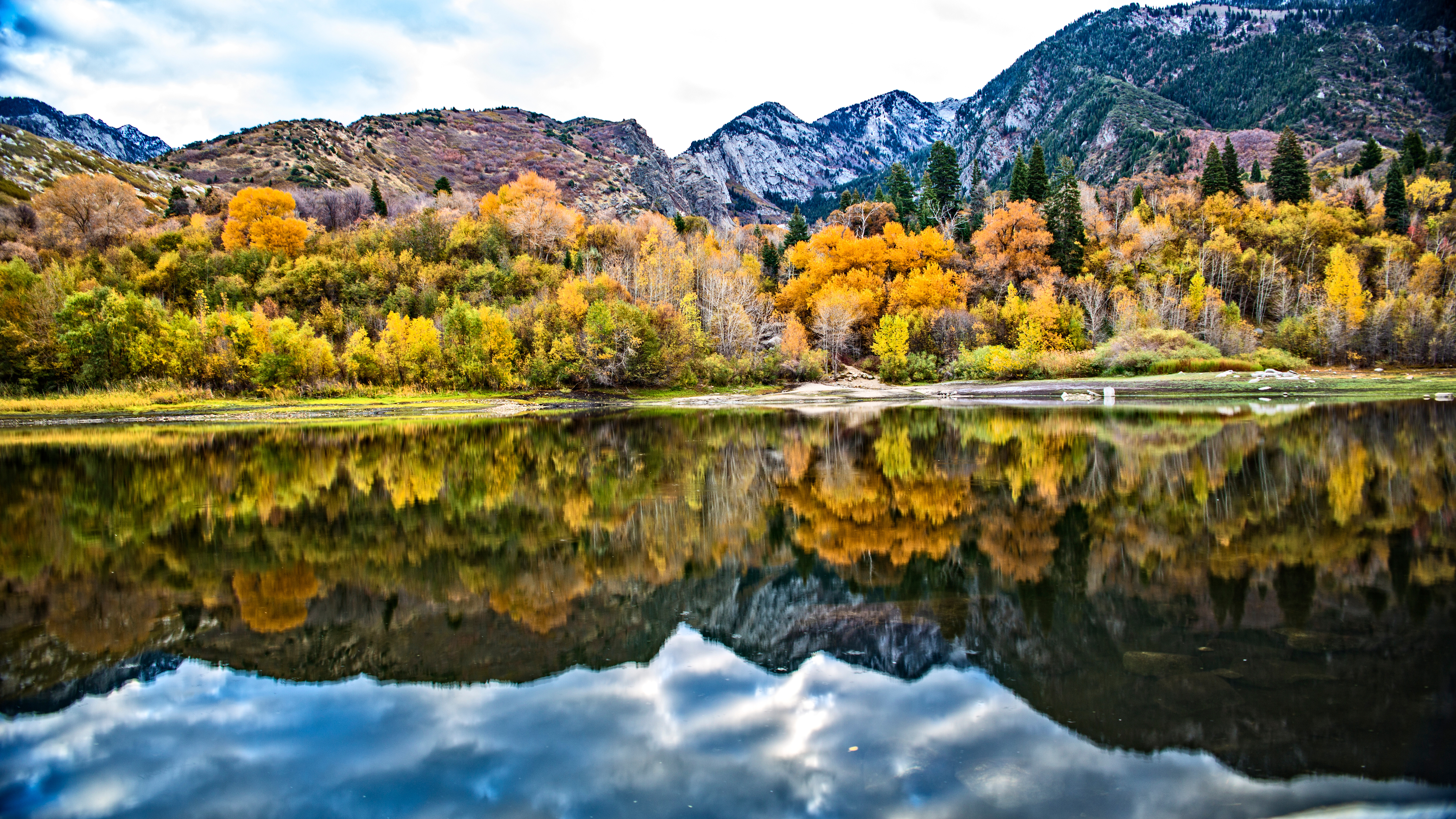
Bell Canyon sits above Sandy and gives you three different trailhead options depending on how much climbing you want. The shortest route, from the Preservation trailhead, is about 1.4 miles round trip with 440 feet of gain to the lower reservoir, an easy outing with a solid payoff. If you want more of a workout, continue past the reservoir toward the upper falls for a longer, steeper day. The lower canyon holds a good mix of maple and scrub oak that turns deep red before the aspens higher up even start.
Cecret Lake and Albion Basin (Little Cottonwood Canyon)
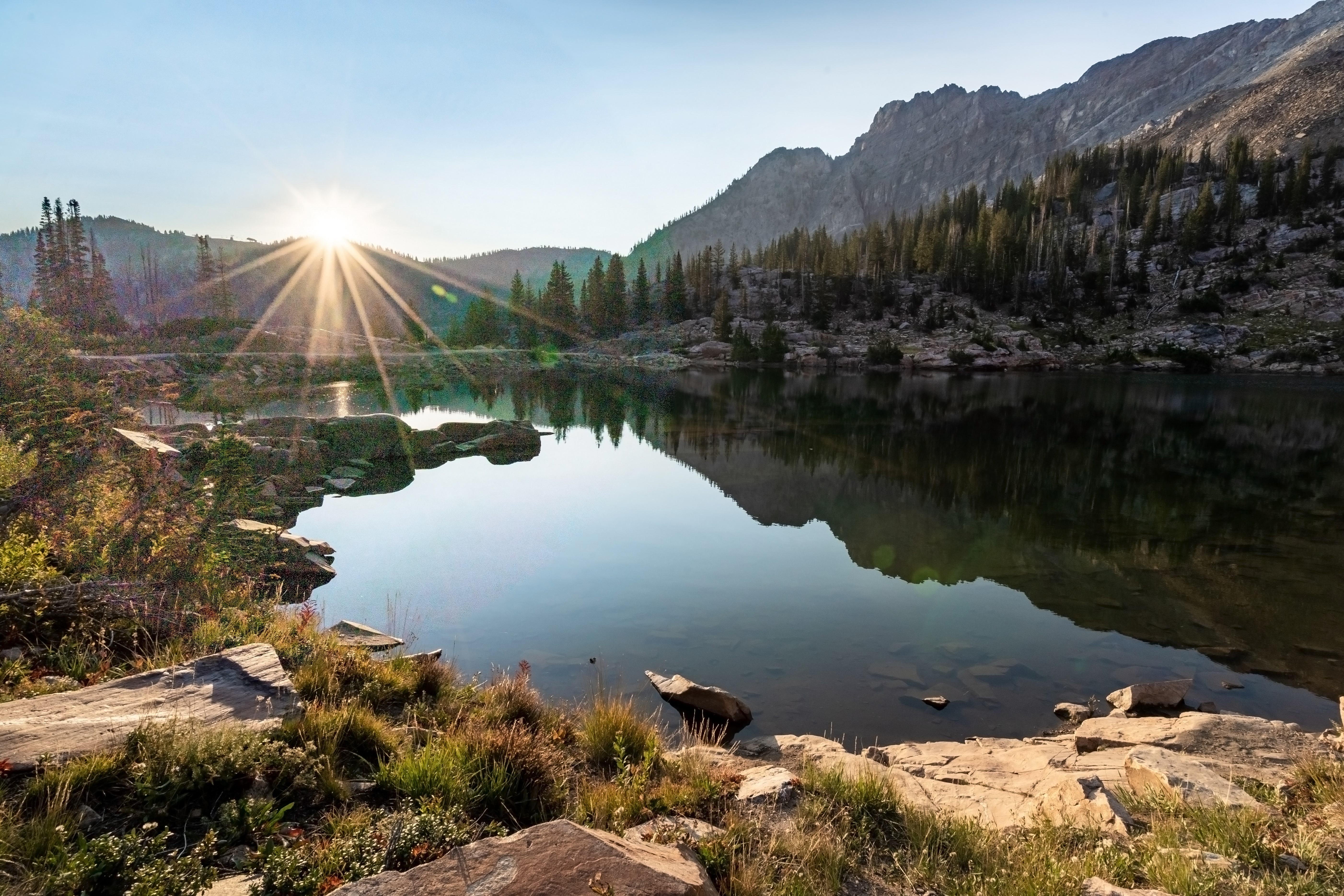
Albion Basin sits above Alta at roughly 9,500 feet, which means the wildflowers here peak in midsummer and the color turns early, usually mid to late September rather than October. The Cecret Lake Trail itself is a short 1.8 mile round trip with about 460 feet of gain from the upper basin trailhead. Alta charges a per vehicle fee to drive the summer road up to the basin, and that road, along with basin services, typically closes for the season once the snow starts flying, so this is one to hit early in the fall color window rather than late.
Bloods Lake (Guardsman Pass)
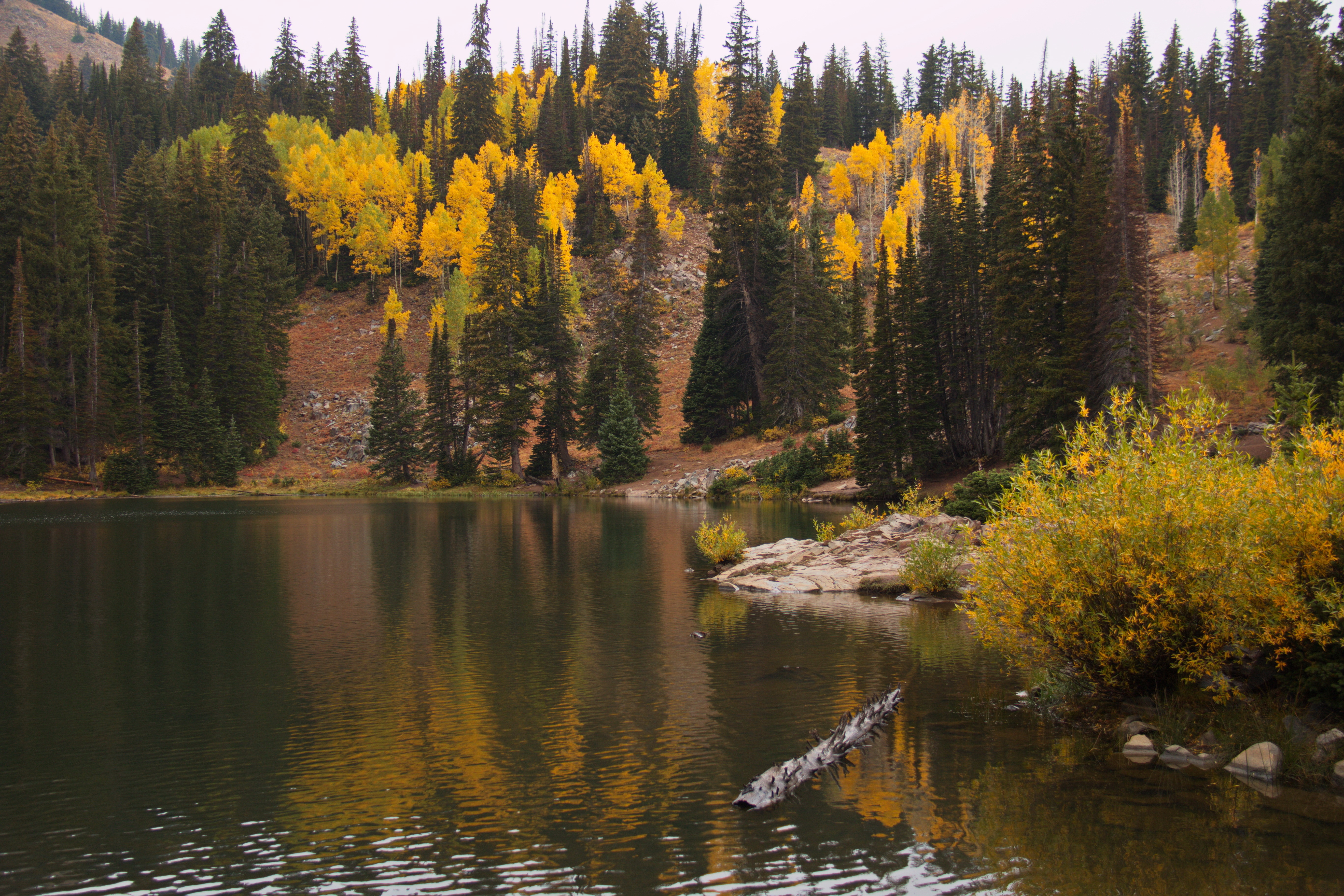
Bloods Lake sits just off Guardsman Pass Road between Big Cottonwood Canyon and Park City, and it's one of the first trails in the Wasatch to show color each year thanks to its elevation above 9,000 feet. The trail is about 2.8 miles round trip with 460 feet of gain, mostly shaded through thick aspen and fir. Dogs are allowed on leash up to the lake but not beyond it. The Guardsman Pass road itself is also worth the drive on its own, since the byway climbs through open aspen stands with wide views back down into the canyon.
Lake Blanche Trail (Big Cottonwood Canyon)
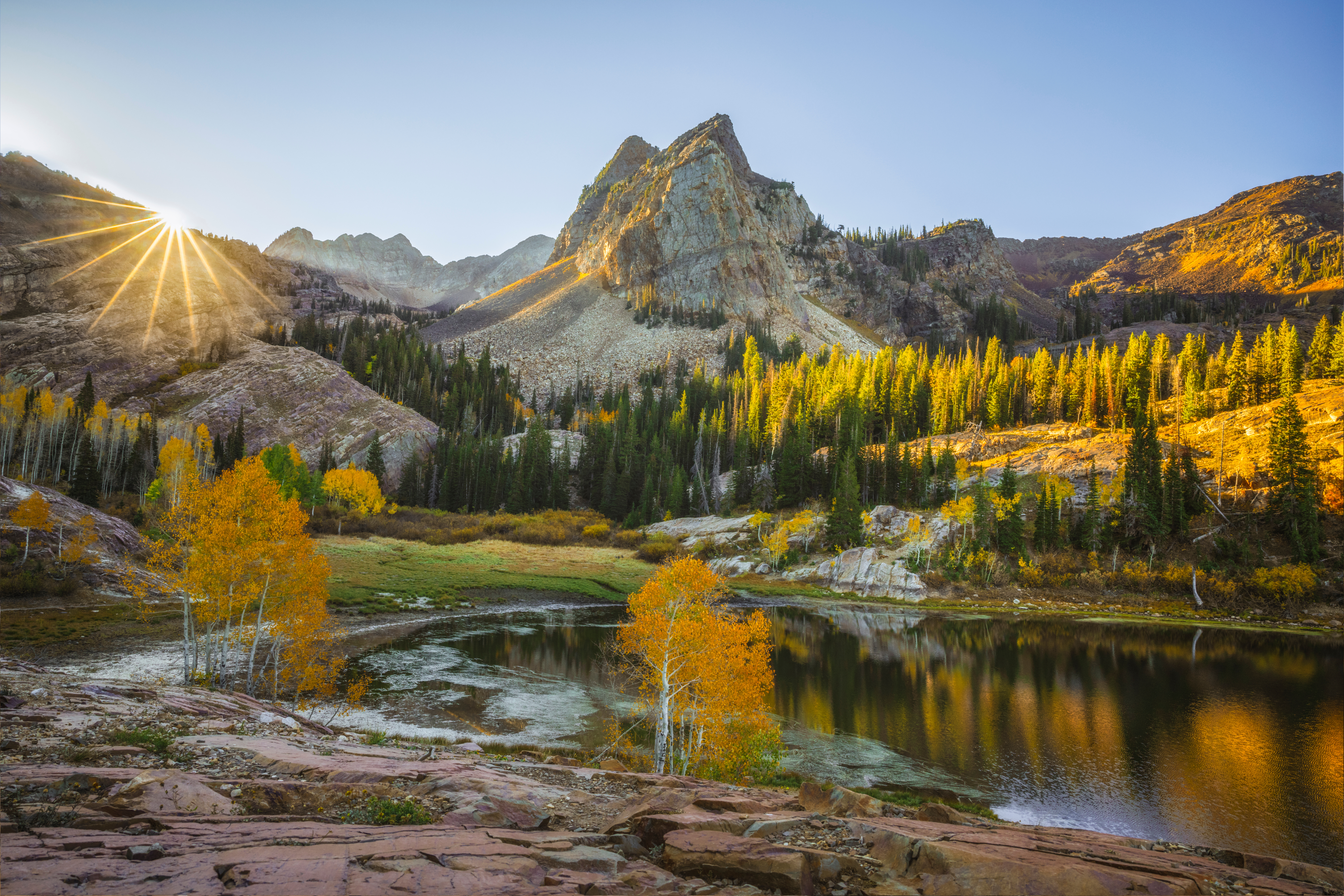
Lake Blanche is the classic Wasatch alpine lake hike, and it's worth the effort. The out and back trail runs about 7 miles round trip with roughly 2,700 feet of elevation gain, climbing through aspen forest along Mill B South Fork before breaking out onto exposed granite near the lake. Sundial Peak reflected in the water is one of the most photographed views in the Cottonwood Canyons, and the color along the lower half of the trail can be excellent in early fall. Dogs aren't allowed, this is a designated wilderness area, and the trailhead lot fills early.
Grandeur Peak (Millcreek Canyon)
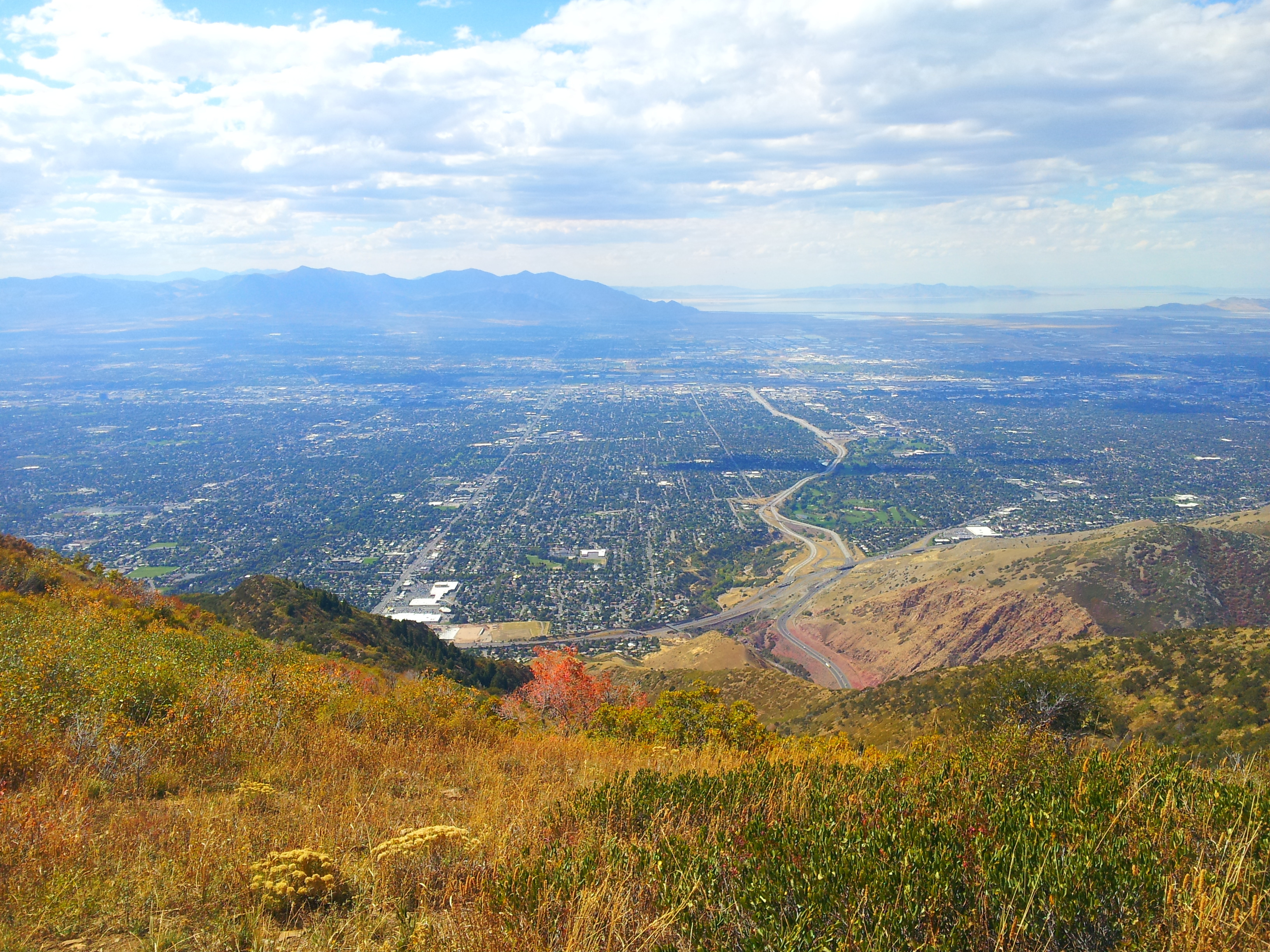
If you want a summit with your fall color, Grandeur Peak from the Church Fork trailhead is a 6.6 mile round trip with about 2,600 feet of gain to the 8,299 foot summit. The lower half of the trail winds through oak and maple that turns early, while the upper ridge opens into sweeping views of the Salt Lake Valley on one side and Parleys Canyon on the other. Millcreek Canyon charges a small daily fee, and dogs are allowed off leash on odd numbered days and on leash on even days.
Trail Comparison at a Glance
| Trail | Canyon | Distance | Elevation Gain | Difficulty | Best For |
|---|---|---|---|---|---|
| Willow Heights | Big Cottonwood | 2.7 mi RT | 690 ft | Easy to moderate | Aspen canopy, short trips |
| Donut Falls | Big Cottonwood | 3.4 mi RT | 500 ft | Easy | Families, waterfall |
| Bell Canyon Reservoir | Little Cottonwood | 1.4 mi RT | 440 ft | Easy to moderate | Quick outing, red maple and oak |
| Cecret Lake / Albion Basin | Little Cottonwood | 1.8 mi RT | 460 ft | Easy to moderate | Early season color |
| Bloods Lake | Guardsman Pass | 2.8 mi RT | 460 ft | Easy to moderate | Earliest color of the season |
| Lake Blanche | Big Cottonwood | 7.0 mi RT | 2,700 ft | Strenuous | Alpine lake payoff |
| Grandeur Peak | Millcreek | 6.6 mi RT | 2,600 ft | Strenuous | Summit views over the valley |
What to Pack for Fall Hiking
Fall days in the Wasatch can start in the 30s and finish 40 degrees warmer by afternoon, so layering matters more this time of year than almost any other. A few essentials worth having in your pack:
Leki Legacy Lite Pro Trekking Poles
Trekking poles take real pressure off your knees on the steeper descents, especially on trails like Lake Blanche and Grandeur Peak where the trail surface turns loose and rocky near the top. The Leki Legacy Lite Pro Trekking Poles are a lightweight, all-aluminum pick with dual Speed Lock Plus latches for quick adjustments, an Evocon foam grip that extends down each pole for versatile hand placement on switchbacks, and tips built for all-mountain terrain.



Mountainsmith Zerk 25 Backpack
A lightweight daypack in the 20 to 25 liter range is the sweet spot for anything on this list, big enough for an extra layer, water, and snacks without being bulky on the shorter hikes. The Mountainsmith Zerk 25 Backpack fits that brief well, with a running-vest-style harness, angled stash pockets you can reach without taking the pack off, and a removable waist belt.

Rab Microlight Down Jacket
A packable insulated jacket earns its weight the moment you stop moving at a summit or lakeshore and the wind picks up. Toss one in even if the forecast looks mild at the trailhead. The Rab Microlight Down Jacket uses 700-fill recycled down with a hydrophobic finish, zoned baffle construction to keep warmth where you need it, and a packaway pocket that compresses it down to almost nothing in your bag.
| Men's | Women's |
 |
 |
| |
|
Know Before You Go
Most of the trails in Big and Little Cottonwood Canyons sit inside a protected watershed, which means dogs and swimming are prohibited on trails like Willow Heights, Donut Falls, and Lake Blanche. Millcreek Canyon allows dogs on an odd and even day rotation and charges a small daily fee at the entrance booth. Guardsman Pass Road and the Alta summer road above Albion Basin are seasonal routes that can close with the first significant snowfall, so check current conditions before making the drive if you're hiking later in October.
Frequently Asked Questions
When is peak fall foliage in Utah's Wasatch Mountains?
Peak color generally runs from late September through mid October along the Wasatch Front, with high elevation basins like Albion and Guardsman Pass turning first and canyon bottom aspen groves following one to three weeks later.
What is the easiest fall hiking trail near Salt Lake City?
Donut Falls and Bell Canyon Reservoir are the easiest options on this list, both under 3.5 miles round trip with a modest 500 feet of gain or less, and both suitable for kids and less experienced hikers.
Are dogs allowed on Cottonwood Canyon hiking trails?
Dogs are prohibited on most trails in Big and Little Cottonwood Canyons because the canyons are protected watersheds. Millcreek Canyon and the Bloods Lake trail near Guardsman Pass do allow leashed dogs.
Do I need a parking pass for Big Cottonwood or Little Cottonwood Canyon?
Several trailheads in Big Cottonwood Canyon require a Forest Service recreation fee, including Donut Falls, White Pine, and Silver Lake. Little Cottonwood Canyon trailheads are generally free, though Alta's summer road up to Albion Basin charges a separate per vehicle fee.
What should I pack for a fall hike in Utah?
Plan on layers, a packable insulated jacket, trekking poles for steeper trails, and an early start. Temperature swings of 30 to 40 degrees between morning and afternoon are common in the Wasatch in September and October.
About the Author
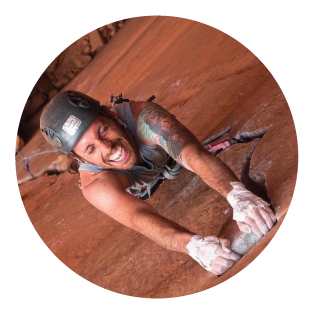 Derek Newman
Born in the Wasatch, Derek has had an affinity for mountain life since day one. He was on skis the year he learned to walk, and as a high school graduation present he gifted himself rock climbing lessons. Nearly two decades later, Derek spends most of his time climbing up and/or skiing down most of the mountains around Salt Lake City, and he's traveled around the world multiple times for the sole purpose of peak exploration. When he isn't a man about camp, he's working in Campman's content marketing crew writing up blogs about backcountry skiing or rock climbing as well as describing products that he's used personally. He's climbed in most climbing shoes, toured on most backcountry skis, and ridden the resort on skis, snowboards, and even some evac sleds.
Share on: