

Best Climbing Ropes for Sport, Trad, Alpine, and Gym Climbing
Posted by Derek Newman on 1st Sep 2026
A climbing rope is the one piece of gear you're trusting with your life every time you tie in, so picking the right one matters more than almost anything else in your kit. Campman carries a lineup of dynamic single ropes from Petzl, Black Diamond, and Sterling that covers everything from gym laps to alpine missions, and each one is built around a different set of priorities. This guide breaks down seven of our current ropes by the situation they're best suited for, so you can match the cord to the climbing you actually do.
Quick Answer If you only climb at the crag and want one do-it-all rope, grab the Sterling Velocity 9.8mm. If weight matters most because you're headed into the mountains, the Petzl Volta 9.2 Dry is the lightest option here. Climbers on a budget should look at the Sterling VR9 9.8mm, and anyone stocking a gym bag should reach for the Black Diamond 9.9, which even comes in a dedicated 35 meter gym length.
Best for Sport Climbing: Petzl Arial 9.5mm
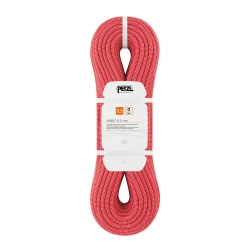
Petzl Arial 9.5mm Climbing Rope
Sport climbing is all about clipping bolts, working moves, and taking repeated falls without babying your gear, and the Arial is built for exactly that cycle. Its 9.5mm diameter lands in the sweet spot between weight savings and handling, and the Duratec Dry treatment keeps performance consistent even after a sweaty summer of redpoint burns. Core and sheath are bonded at the ends to prevent fraying, and a middle mark keeps your rope management honest on longer sport pitches.
Best for climbers projecting routes at the crag who want a rope light enough for long days but durable enough to handle repeated whippers.


Best for Trad Climbing: Petzl CONTACT 9.8mm

Petzl CONTACT 9.8mm Climbing Rope
Trad climbing puts a rope through the wringer, dragging it over edges, feeding it through gear placements, and asking it to hold up pitch after pitch. The CONTACT answers with a 9.8mm diameter and the thickest sheath percentage in this lineup at 41 percent, which translates directly into better abrasion resistance when your rope is running over rock instead of clean bolt hangers. The EverFlex treatment keeps handling consistent trip after trip, and the UltraSonic Finish bonds core to sheath at the ends to fight fraying over time.
Best for multi-pitch trad climbers who need a workhorse rope that can take abrasion over rock and gear without wearing out early.
Best for Alpine: Petzl Volta 9.2 Dry

Petzl Volta 9.2 Dry Climbing Rope
When you're carrying a rope up a mountain, every gram counts, and the Volta is the lightest cord in this roundup at 55 grams per meter. A 9.2mm diameter cruises through gear without adding rope drag, and the Duratec dry treatment shrugs off snow and wet rock so performance holds up in genuinely alpine conditions. What sets the Volta apart is its versatility, since it's certified to run as a single, half, or twin rope, meaning the same cord that clips bolts at the crag can also handle glacier travel and long alpine descents.
Best for alpine climbers and mountaineers who need the lightest possible rope and the flexibility to use it as a single, half, or twin depending on the objective.
Best for Gym: Black Diamond 9.9 Climbing Rope

Black Diamond 9.9 Climbing Rope
Gym ropes take a beating from constant top rope laps and heavy foot traffic, so durability matters far more than shaving grams. The BD 9.9 is built thick and burly with a 2x2 weave sheath designed for everyday abuse, and it's one of the only ropes in this lineup available in a dedicated 35 meter length sized specifically for gym walls. It also skips dry treatment entirely, which you don't need indoors and which only adds cost you don't have to pay.
Best for gym climbers who want a burly, no-frills rope built to survive daily top rope laps without wearing thin.
Best for Budget: Sterling VR9 9.8mm Dynamic Climbing Rope
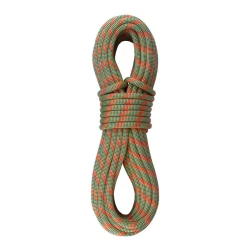
Sterling VR9 9.8mm Dynamic Climbing Rope
Getting into climbing means buying a lot of gear at once, and the VR9 is built for the climber trying to stretch that budget without cutting corners on safety. It's made in the USA with the same quality standards as Sterling's pricier lines, and it still includes DryCore technology in the core fibers to help resist moisture along with a middle mark for rope management. It's a straightforward, no-nonsense first rope or backup cord that won't leave you compromising on certification or construction.
Best for new climbers and anyone building a kit on a budget who still wants a USA-made rope with real climbing pedigree.
Best of the Best: Sterling Velocity 9.8mm Climbing Rope
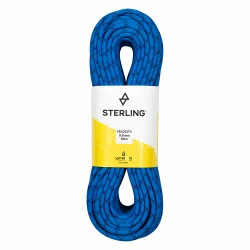
Sterling Velocity 9.8mm Climbing Rope
The Velocity earns its spot as Sterling's flagship rope, and it's the closest thing to a rope that does everything well without asking you to compromise. It's built from bluesign certified materials for a lighter environmental footprint, the weave is specifically chosen for snag-free handling through belay devices, and single color versions over 50 meters include a middle mark for confident rope management on rappels. Available across five lengths from 40 to 80 meters, it's earned a following among climbers who want a single rope that can anchor their entire kit.
Best for climbers who want the single best all-purpose rope in the lineup and don't mind paying for Sterling's top of the line construction.
Best All-Around: Petzl MAMBO 10.1mm Climbing Rope

Petzl MAMBO 10.1mm Climbing Rope
Sometimes you just need one rope that goes from the gym to top roping to the crag without a second thought, and the MAMBO's generous 10.1mm diameter is built for exactly that kind of do-it-all use. The larger diameter gives you better control through any belay device, which is especially helpful for newer climbers still building confidence, while the EverFlex treatment keeps handling consistent for the long haul. It skips specialized features like dry treatment in favor of straightforward durability that works in almost any setting.
Best for climbers who split time between the gym and the crag and want one dependable, easy-to-control rope for both.
Climbing Rope Comparison Chart
| Rope | Best For | Diameter | Weight Per Meter | Dry Treatment |
|---|---|---|---|---|
| Petzl Arial | Sport Climbing | 9.5mm | 58 g/m | Yes, Duratec |
| Petzl CONTACT | Trad Climbing | 9.8mm | 60 g/m | No |
| Petzl Volta 9.2 Dry | Alpine | 9.2mm | 55 g/m | Yes, Duratec |
| Black Diamond 9.9 | Gym | 9.9mm | 64 g/m | No |
| Sterling VR9 | Budget | 9.8mm | 62 g/m | DryCore treated fibers |
| Sterling Velocity | Best of the Best | 9.8mm | 62 g/m | No |
| Petzl MAMBO | Best All-Around | 10.1mm | 65 g/m | No |
Frequently Asked Questions
What rope diameter should I buy?
Most climbers do well with something between 9.5mm and 9.9mm. Thinner ropes like the Petzl Arial or Volta save weight and reduce rope drag, which is great for sport and alpine climbing. Thicker ropes like the Black Diamond 9.9 or Petzl MAMBO trade a little weight for more durability and easier control, which suits gym use and everyday crag climbing.
Do I need a dry treated rope?
Only if you're climbing somewhere wet, snowy, or icy. Dry treatment resists water absorption, which keeps the rope lighter and more supple in alpine or shoulder season conditions. If you're mostly climbing at a dry crag or in the gym, a non-dry rope like the Sterling Velocity or Black Diamond 9.9 will save you money without costing you performance.
What's the difference between a single, half, and twin rope?
Single ropes are used alone, while half and twin ropes are used in matched pairs. The Petzl Volta is unique in this lineup because it's certified for all three uses, giving you flexibility for everything from single pitch sport climbing to double rope rappels on an alpine route.
How long should my climbing rope be?
60 meters covers most sport and trad routes in the United States, but many climbers are moving to 70 meters for extra margin. Gym ropes run shorter, and the Black Diamond 9.9 even comes in a dedicated 35 meter length built specifically for indoor walls.
What is a middle mark and why does it matter?
A middle mark is a printed or woven marker at the rope's center point. It lets you quickly confirm you're rappelling or lowering on an even split, which matters most on multi-pitch and trad routes where miscounting rope length has real consequences.
How often should I retire a climbing rope?
Most manufacturers recommend retiring a rope after about five to ten years with regular use, or sooner if you climb frequently or take big falls. Inspect your rope regularly for fuzzy spots, flat sections, or exposed core, and retire it immediately after any significant fall or if it contacts a sharp edge under load.
Is a thicker rope always safer?
Not necessarily, since all the ropes in this guide meet the same UIAA and CE EN 892 safety certifications regardless of diameter. A thicker rope like the Petzl MAMBO does tend to hold up longer under heavy abrasion, but a thinner certified rope like the Petzl Arial is just as safe when used within its rated falls and paired with the right belay device.
Can I use the same rope for the gym and outdoor climbing?
Yes, but a dedicated gym rope will save wear on your outdoor cord. Ropes like the Black Diamond 9.9 and Petzl MAMBO handle double duty well, but many climbers prefer keeping a separate, shorter gym rope so their crag rope stays in better shape for longer.
About the Author
 Derek Newman
Born in the Wasatch, Derek has had an affinity for mountain life since day one. He was on skis the year he learned to walk, and as a high school graduation present he gifted himself rock climbing lessons. Nearly two decades later, Derek spends most of his time climbing up and/or skiing down most of the mountains around Salt Lake City, and he's traveled around the world multiple times for the sole purpose of peak exploration. When he isn't a man about camp, he's working in Campman's content marketing crew writing up blogs about backcountry skiing or rock climbing as well as describing products that he's used personally. He's climbed in most climbing shoes, toured on most backcountry skis, and ridden the resort on skis, snowboards, and even some evac sleds.
Share on: