
Fall Trad Climbing: 6 Beginner-Friendly Routes Around Salt Lake City
Posted by Derek Newman on 25th Aug 2026
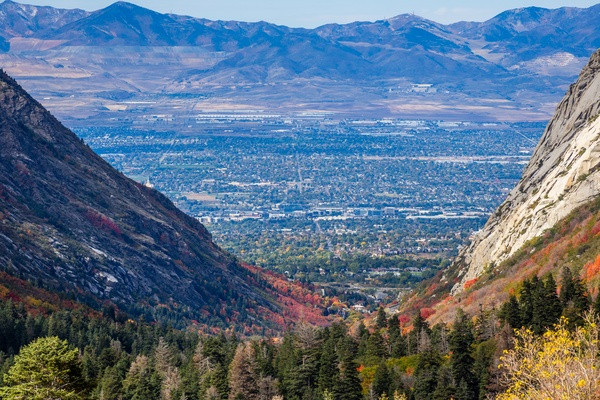
Fall is the best season for trad climbing around Salt Lake City. The granite in Little Cottonwood Canyon cools down enough to hold friction, and Big Cottonwood Canyon's shadier walls stay pleasant well into October. This guide rounds up six of our favorite beginner-friendly trad routes across both canyons, arranged from easiest to hardest, along with the specific piece of gear that earns its place on each one.
Quick Answer: For a fall trad tour of the Salt Lake Valley, start with Steorts' Ridge (5.6) and Outside Corner (5.7) in Big Cottonwood Canyon, then move to Little Cottonwood Canyon for Pentapitch (5.8), The Coffin (5.9), Mexican Crack (5.10a), and Bongeater (5.10d) as your skills build through the season.
Steorts' Ridge (5.6) – Big Cottonwood Canyon
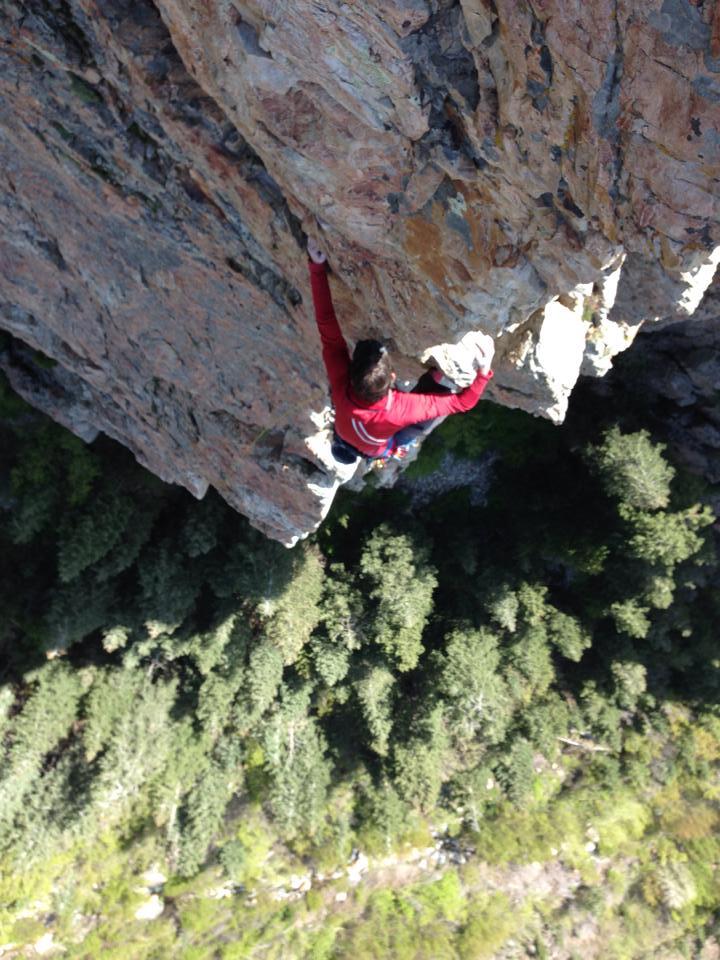
Steorts' Ridge is the easiest route on this list and a great way to open a fall trad season. Tucked in the Dead Snag area of Big Cottonwood Canyon, this three-pitch, 250-foot outing follows an obvious arete up face and crack terrain before finishing on a steep, exposed ridge crest. The climbing stays moderate throughout, which makes it a confidence-building lead for newer trad climbers, but the position on that final pitch feels a lot bigger than 5.6.
Safety First: Petzl BOREO Helmet and Petzl BOREA Helmet
Steorts' Ridge climbs a loose, exposed arete with other parties often above and below, which makes a helmet non-negotiable here. The Petzl BOREO and its women's counterpart, the BOREA, are both built on Petzl's TOP AND SIDE PROTECTION concept, covering more of the head at the sides and back than a typical rockfall-only helmet, which matters on a route where an unexpected swing into rock is just as likely as debris from above. Both stay light and well-ventilated enough to forget you are wearing them by the third pitch.
Men's   |
Women's |
Outside Corner / JHCOB (5.7) – Big Cottonwood Canyon
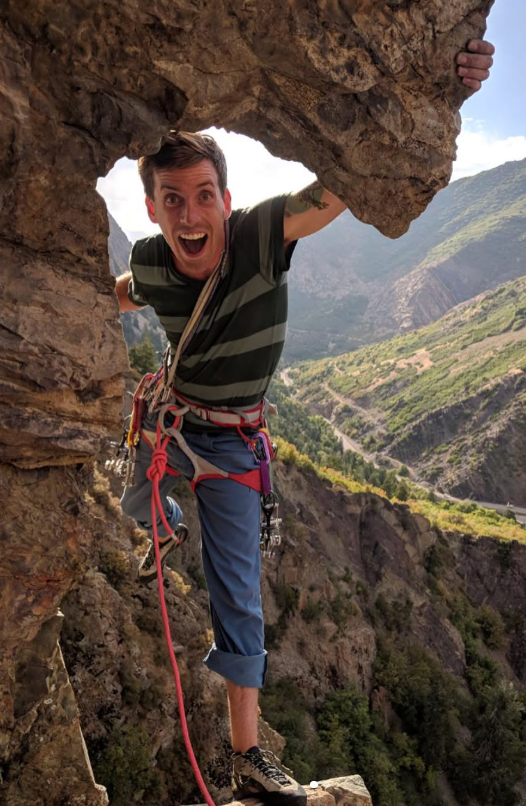
Also known by the wall it climbs, JHCOB, Outside Corner is one of the most repeated moderate multi-pitches in Big Cottonwood Canyon. Three pitches and 450 feet take you up a clean quartzite arete with a memorable cave belay partway up, finishing with better and better exposure the higher you climb. It is a longer day than Steorts' Ridge, so plan for a full morning or afternoon, and expect other parties on a nice fall weekend. Fun fact: JHCOB stands for Jesus H Christ On a Bicycle because the exposure makes you say that!
The Foundation: Petzl Adjama Harness and Petzl Luna Harness
A three-pitch outing like Outside Corner is exactly what the Adjama and Luna were built for. Both harnesses use large, rigid front gear loops that make racking and clipping a standard trad set easy, plus a rear gear loop for separating anchor material from your cams. The moisture-wicking internal fabric and fully adjustable leg loops mean you can wear them comfortably over a base layer on a cool fall morning and still get a precise fit at the belay.
Men's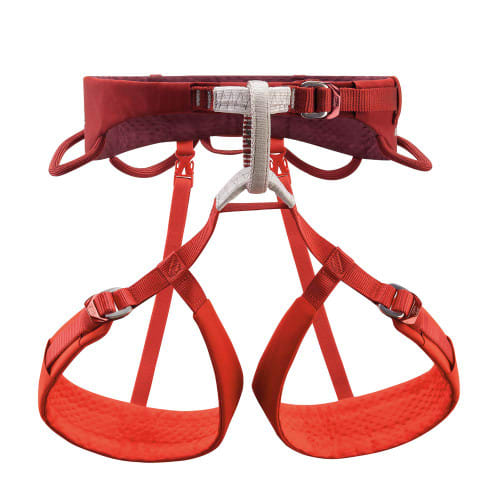 |
Women's |
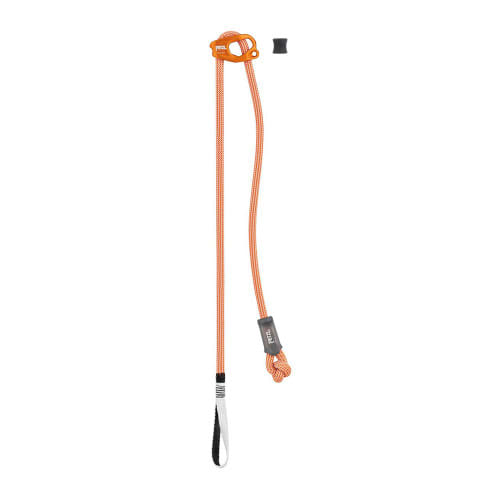
Worth Adding: Petzl Connect Adjust. On a multi-pitch with a cave belay and a few stances where you will be organizing rope and gear rather than climbing, an adjustable lanyard like the Connect Adjust makes anchoring in and repositioning at the belay one-handed and fast. It is not required for Outside Corner, but if you are building out a multi-pitch kit this fall, it is a small addition that pays off every time you stop to belay.
 |
Pentapitch (5.8 PG13) – Little Cottonwood Canyon
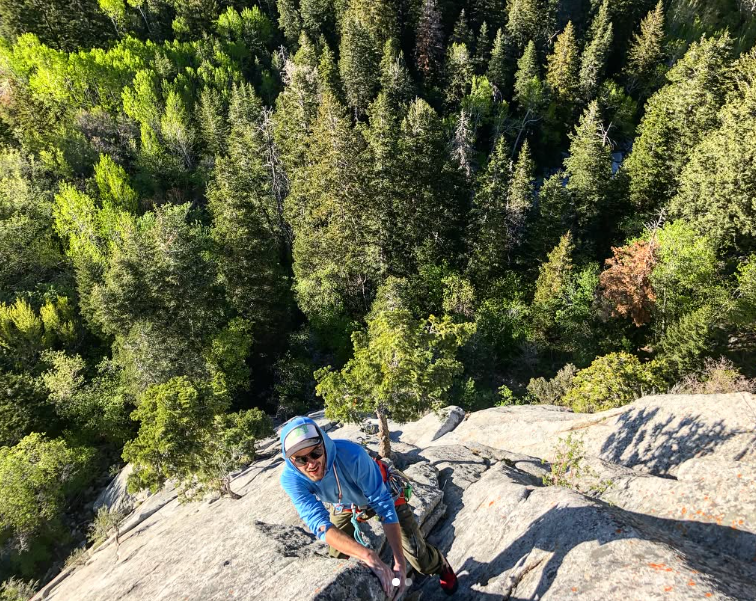
Pentapitch is the Little Cottonwood classic that most local trad climbers cut their teeth on. Five pitches of fun crack and face climbing on solid granite lead to a heady, low-fifth-class money pitch that earns the PG13 rating, a delicate traverse into a finger crack with good but thin protection. Many parties link pitches to make it a three- or four-pitch day, and it is easily combined with the neighboring Sasquatch for an even better outing.
The Right Shoe for the Job: La Sportiva TC Pro
The TC Pro is the shoe to wear for every route on this list, not just Pentapitch. Its flat, slightly asymmetric profile is built for comfortable, all-day wear on multi-pitch granite, and the super-stiff platform with Vibram XS Edge rubber edges confidently on the small feet you will find on Steorts' Ridge, Outside Corner, and Pentapitch alike, while still jamming cleanly into the cracks on The Coffin, Mexican Crack, and Bongeater. If you only buy one climbing shoe for a fall season of Cottonwood Canyon trad, make it this one.
 |
The Coffin (5.9) – Little Cottonwood Canyon
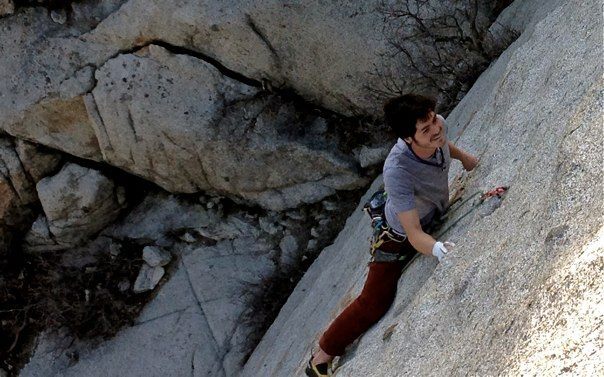
The Coffin is the obvious finger crack splitting the Coffin Buttress, and it is one of the most popular single-pitch trad lines in the canyon. The opening moves are the trickiest to protect, but once you are established in the crack the gear comes fast and stays good all the way to the anchors. At 80 feet it is a quick lap, which makes it easy to session on a fall afternoon.
The Stopper Challenge: DMM Halfnut Set and CAMP Mach Express Quickdraws
The Coffin's finger crack takes cams well, but it takes stoppers just as well, and we would challenge you to rack up with the DMM Halfnuts alone on your next lap. The Halfnuts are modeled on DMM's classic Wallnut profile at half the size, which makes them ideal for the thin, shallow placements that show up early in the crack where a standard nut or cam would sit loose. Pair them with a set of lightweight quickdraws like the CAMP Mach Express, whose Dyneema slings shed weight without giving up strength, and you have a rack built specifically for a route like this one.
DMM Halfnut Set |
CAMP Mach Express Quickdraws |
Mexican Crack (5.10a) – Little Cottonwood Canyon
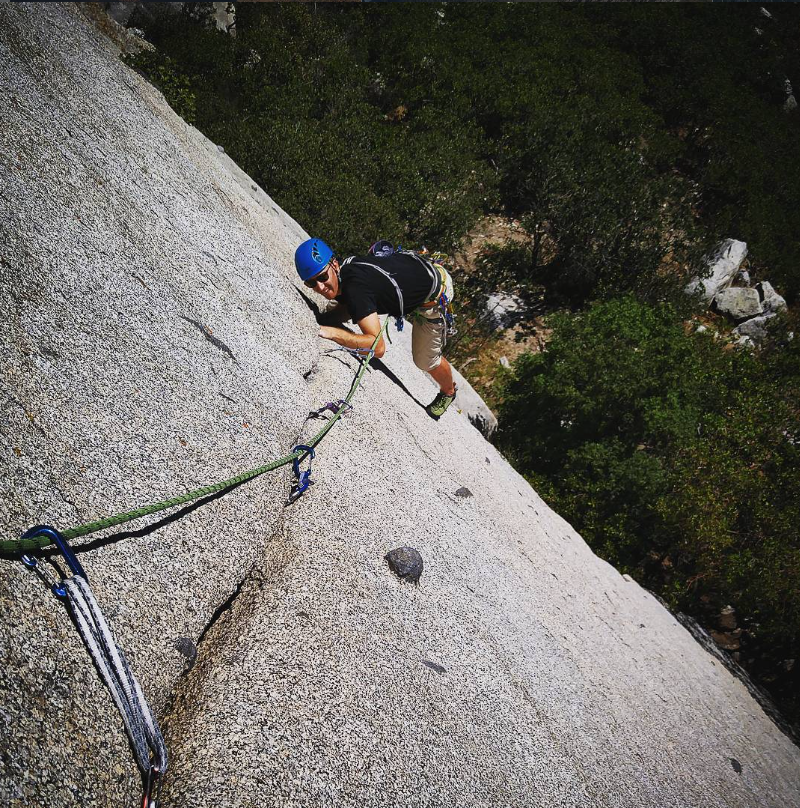
Mexican Crack is a notch harder than everything above it on this list, and it feels that way from the first move. The route starts with a bouldery, sparsely protected entry into the dihedral before the seamy crack above finally offers consistent gear, so the crux of the route is arguably staying calm through those opening moves rather than the climbing itself. Once you are established, good footwork saves your arms for the leftward finish to the chains.
Trust Your Rope: Petzl Arial 9.5mm Climbing Rope
A route with a sparsely protected start is exactly where you want confidence in your rope. The Petzl Arial's 9.5mm diameter balances multi-pitch-friendly lightness with the durability to inspire confidence if you do take a fall on that opening sequence, and its Duratec Dry treatment keeps it handling well through a full fall season of granite abrasion and the occasional damp morning. It is equally at home on Mexican Crack's single pitch or strung across all five pitches of Pentapitch.
 |
Bongeater (5.10d) – Little Cottonwood Canyon
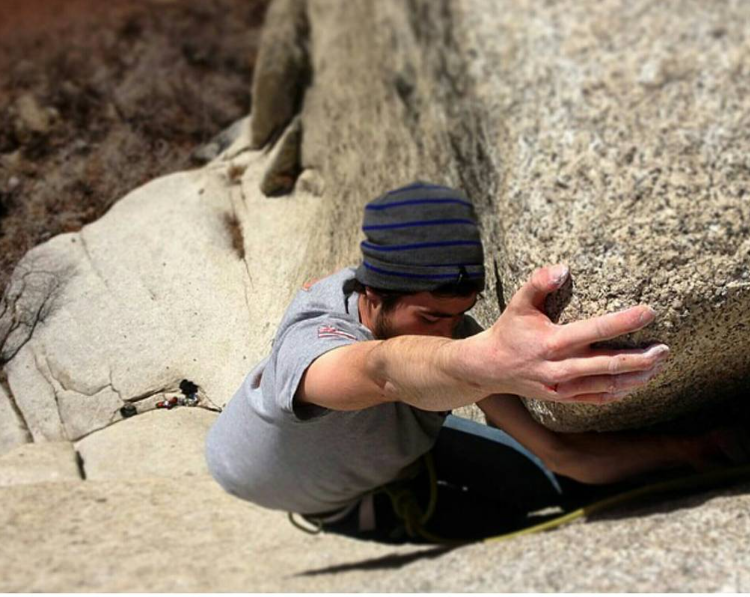
Bongeater is the hardest route on this list and the one to grow into by the end of the season. Visible as a striking dihedral from the Little Cottonwood Park and Ride, it climbs as honest crack and face moves for most of its 80 feet before a technical sequence near the top separates the send from the fall. Unlike Mexican Crack's sparse start, Bongeater takes gear the entire way up, which makes it a great route for building crack-protection instincts under sustained, rather than intermittent, difficulty.
Rack the Right Size: Black Diamond Camalot C4
Since Bongeater protects well from bottom to top, this is a route where a full Camalot C4 rack earns its keep rather than a couple of specialty pieces. Pay close attention to the top crux, where the crack widens enough that the #4/Gray Camalot is the piece you want in hand before you commit to the final moves. Coming up short on that size is the single most common reason parties back off Bongeater's last few feet, so double-check your rack before you leave the ground.
 |
Quick Reference: Route, Grade, and Gear
| Route | Grade | Canyon | Length | Pitches | Key Gear |
| Steorts' Ridge | 5.6 | Big Cottonwood | 250 ft | 3 | Petzl BOREO / BOREA Helmet |
| Outside Corner (JHCOB) | 5.7 | Big Cottonwood | 450 ft | 3 | Petzl Adjama / Luna Harness |
| Pentapitch | 5.8 PG13 | Little Cottonwood | 350 ft | 5 | La Sportiva TC Pro |
| The Coffin | 5.9 | Little Cottonwood | 80 ft | 1 | DMM Halfnut Set |
| Mexican Crack | 5.10a | Little Cottonwood | 90 ft | 1 | Petzl Arial 9.5mm Rope |
| Bongeater | 5.10d | Little Cottonwood | 80 ft | 1 | Black Diamond Camalot C4 (#4/Gray) |
Frequently Asked Questions
Is fall a good time to trad climb in the Cottonwood Canyons? Yes. Fall brings cooler temperatures, thinner crowds, and stable weather to both Little Cottonwood and Big Cottonwood Canyon, making it one of the best windows of the year for trad climbing before the ski season closes the roads to easy access.
Which of these routes is best for a first multi-pitch trad lead? Steorts' Ridge is the easiest and most forgiving, but Outside Corner is the more classic first-multi-pitch objective thanks to its memorable cave belay and consistent moderate climbing across all three pitches.
Do I need a helmet for single-pitch routes like The Coffin or Bongeater? A helmet is a good idea on any trad route, single-pitch or not, since unexpected swings and rockfall from other parties can happen anywhere. It matters most on routes like Steorts' Ridge and Outside Corner, where you are climbing below or near other parties on a shared wall.
What is the difference between Mexican Crack and Bongeater's protection? Mexican Crack has a sparsely protected, bouldery start before the gear improves higher up, while Bongeater takes solid gear from the ground to the anchors. That makes Bongeater a better route for practicing sustained gear placement, while Mexican Crack demands more composure through an unprotected opening sequence.
Can one climbing shoe handle all six of these routes? Yes. The La Sportiva TC Pro is built for exactly this mix of face climbing and crack jamming, which is why it works as well on Steorts' Ridge's face moves as it does jammed into Bongeater's dihedral.
What size cam do I need for Bongeater's crux? Bring the #4/Gray Black Diamond Camalot C4 for the top crux, where the crack widens beyond what smaller cams can protect. Coming up short on that size is the most common reason climbers back off near the top.
Do these routes require a full trad rack? Most do. Steorts' Ridge and Outside Corner take a standard rack, Pentapitch and Bongeater want cams up to a #3 or #4, and The Coffin and Mexican Crack both take stoppers and cams well, with The Coffin in particular being a great route to practice a stopper-only ascent.
Build Your Fall Trad Kit
Six routes, two canyons, and one full season of trad climbing. Whether you are working through this list start to finish or picking off the ones that match your current grade, having the right piece of gear dialed in before you rack up makes every one of these routes go smoother. All of the gear in this guide is in stock at Campman with free shipping on orders over $50.
About the Author
 Derek Newman
Born in the Wasatch, Derek has had an affinity for mountain life since day one. He was on skis the year he learned to walk, and as a high school graduation present he gifted himself rock climbing lessons. Nearly two decades later, Derek spends most of his time climbing up and/or skiing down most of the mountains around Salt Lake City, and he’s traveled around the world multiple times for the sole purpose of peak exploration. When he isn’t a man about camp, he’s working in Campman’s content marketing crew writing up blogs about backcountry skiing or rock climbing as well as describing products that he’s used personally. He’s climbed in most climbing shoes, toured on most backcountry skis, and ridden the resort on skis, snowboards, and even some evac sleds.
Share on: