

Magnificent Midlayers: Ideal Insulators For Any Occasion
Posted by Derek Newman on 10th Nov 2026
Whether you're grabbing coffee before the lifts open, breaking trail into the backcountry, or hanging at a cold belay ledge, the right insulating layer changes everything. An insulator is the piece that sits between your base layer and your shell, and it is often the single most important decision in your whole kit. Too little warmth and you are miserable the second you stop moving. Too much and you are drenched in sweat halfway up the skin track. This season's lineup covers the full spectrum, from packable down for everyday warmth to active synthetic builds designed to breathe as hard as you do.
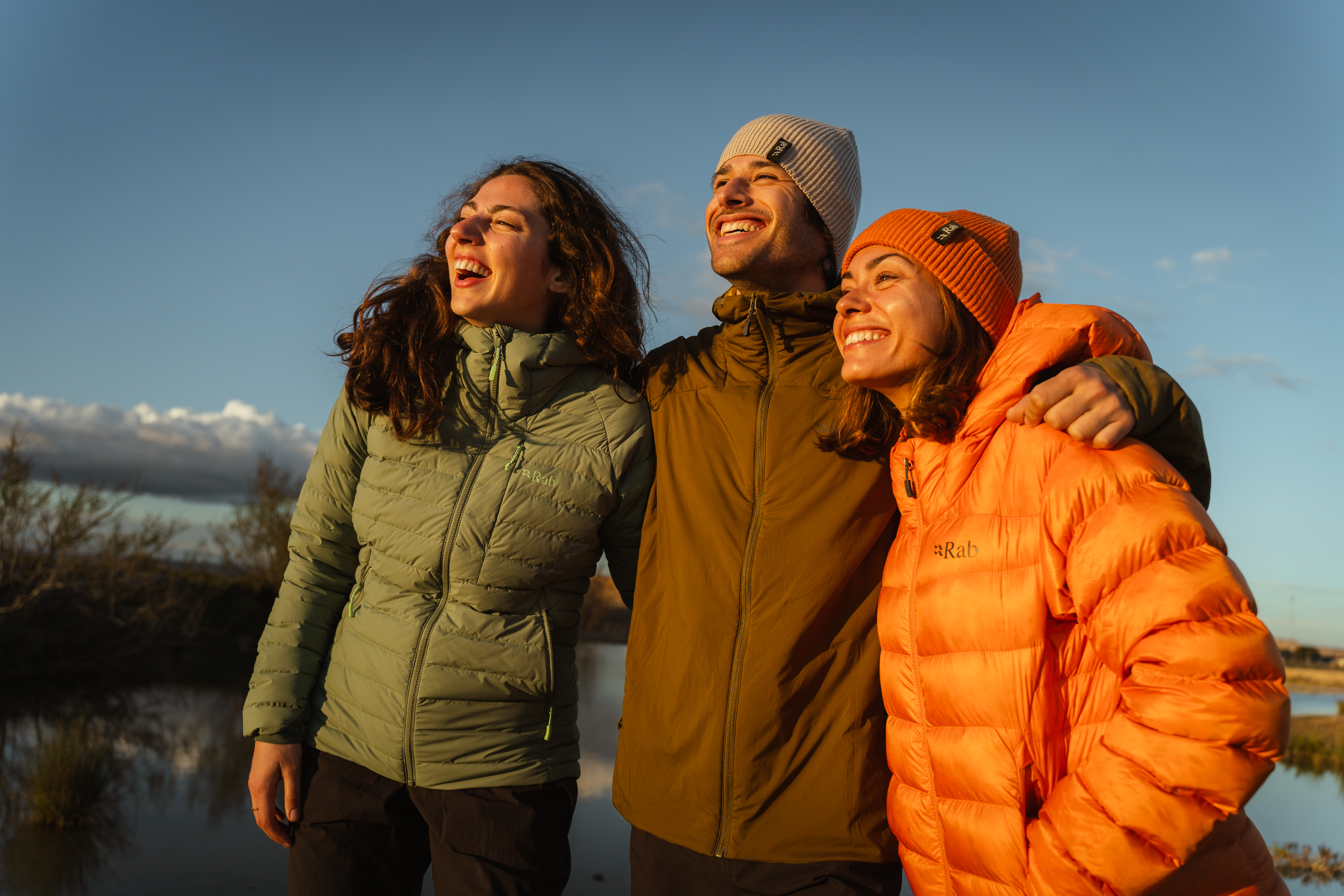
Below, we break down the best down and synthetic insulators for six different situations: resort skiing, backcountry skiing, winter hiking, climbing, mountaineering, and casual everyday wear. We also dig into the actual differences between down and synthetic fill so you know exactly what you are buying and why.
Down vs Synthetic Insulation: What's the Difference
Every insulated jacket in this guide uses one of two fill types, down or synthetic, and the choice between them comes down to a handful of tradeoffs that matter more or less depending on where you are headed.
What Is Down Fill and How Does Fill Power Work

Down is the fine, fluffy plumage found under the feathers of geese and ducks. Unlike a feather, a down cluster has no quill, just a soft, three dimensional structure that traps a huge amount of air relative to its weight. That trapped air is what creates warmth, so the loftier the down cluster, the warmer it is for its weight.
That loft quality is measured in fill power, a number that tells you how many cubic inches one ounce of down will occupy. A higher fill power means fluffier clusters and more trapped air per ounce, which means more warmth for less weight and less pack size. Generally speaking, 550 to 650 fill power is a solid mid range performer, 700 to 800 fill power is where most premium technical jackets land, and 850 to 900 fill power represents the top end of what is widely available. Fill power is only half the equation though. Fill weight, meaning how many total ounces of down are actually stuffed into the jacket, determines the overall warmth just as much as fill power does. A jacket with 900 fill power and very little down in it can be less warm than a jacket with 700 fill power and a generous fill weight.
Most of the down insulators in this guide are also treated with a durable water repellent finish and built to the Responsible Down Standard, which verifies that the down was sourced from birds that were not subjected to force feeding or live plucking. That treated down, sometimes called hydrophobic down, resists losing loft when it gets damp, though no treatment makes a down jacket fully waterproof.
What Is Synthetic Insulation
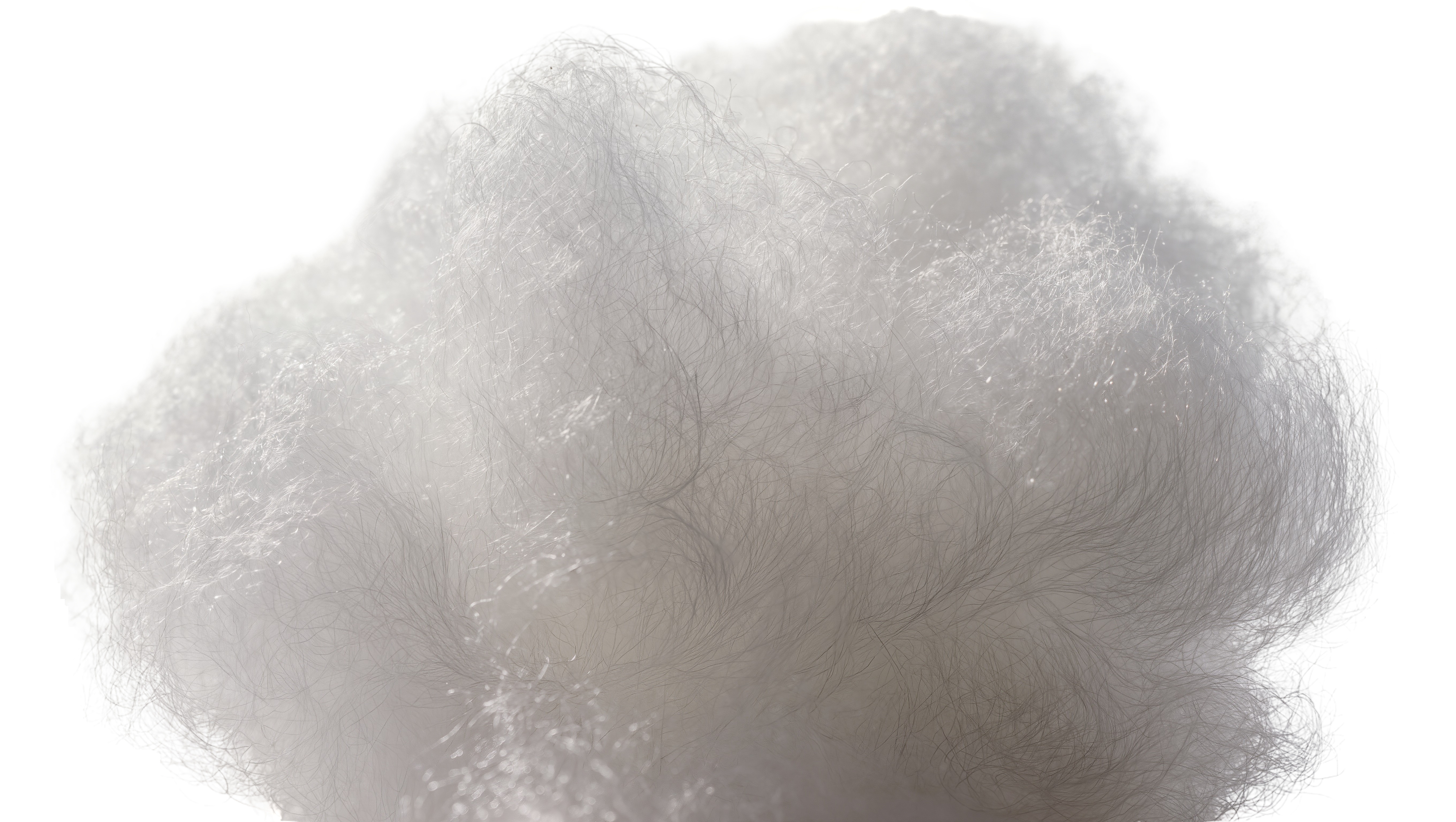
Synthetic insulation is a manufactured polyester fiber engineered to mimic the trapping structure of down, either as a continuous filament or a short staple fill. Brands like PrimaLoft build their insulation in different weights and constructions for different jobs, from breathable, stretchy active insulation like PrimaLoft Gold Active+ to a more traditional, recycled fill like PrimaLoft Silver RISE. Rab's own TXdown is a recycled sheet insulation that behaves closer to down in hand feel while retaining the wet weather reliability of a synthetic build.
The core advantage of synthetic fill is that it keeps insulating even when it gets wet, since the fibers do not clump and collapse the way down does when soaked. Synthetic pieces are also generally more affordable and easier to care for. The tradeoff is warmth to weight and packability. Ounce for ounce, synthetic insulation is not as warm or as compressible as high fill power down, so a synthetic jacket built to match the warmth of a 700 fill down jacket will typically weigh more and pack down larger.
Down vs Synthetic Quick Reference
| Category | Down | Synthetic |
| Warmth to weight | Best in class, especially at 700 fill power and above | Good, but heavier for the same warmth level |
| Packability | Compresses very small | Bulkier when packed |
| Performance when wet | Loses loft and insulating power, even with DWR treatment | Continues to insulate when damp |
| Breathability during high output | Limited, tends to overheat during hard effort | Better, especially active insulation builds |
| Price | Generally higher | Generally more affordable |
| Best for | Static cold, belays, camp, summit breaks | Ski touring, aerobic hiking, wet or variable weather |
Neither option is objectively better. The right call depends on whether you need warmth at rest, warmth in motion, or warmth in wet conditions, which is exactly why the picks below are organized by activity rather than by fill type alone.
Resort Skiing
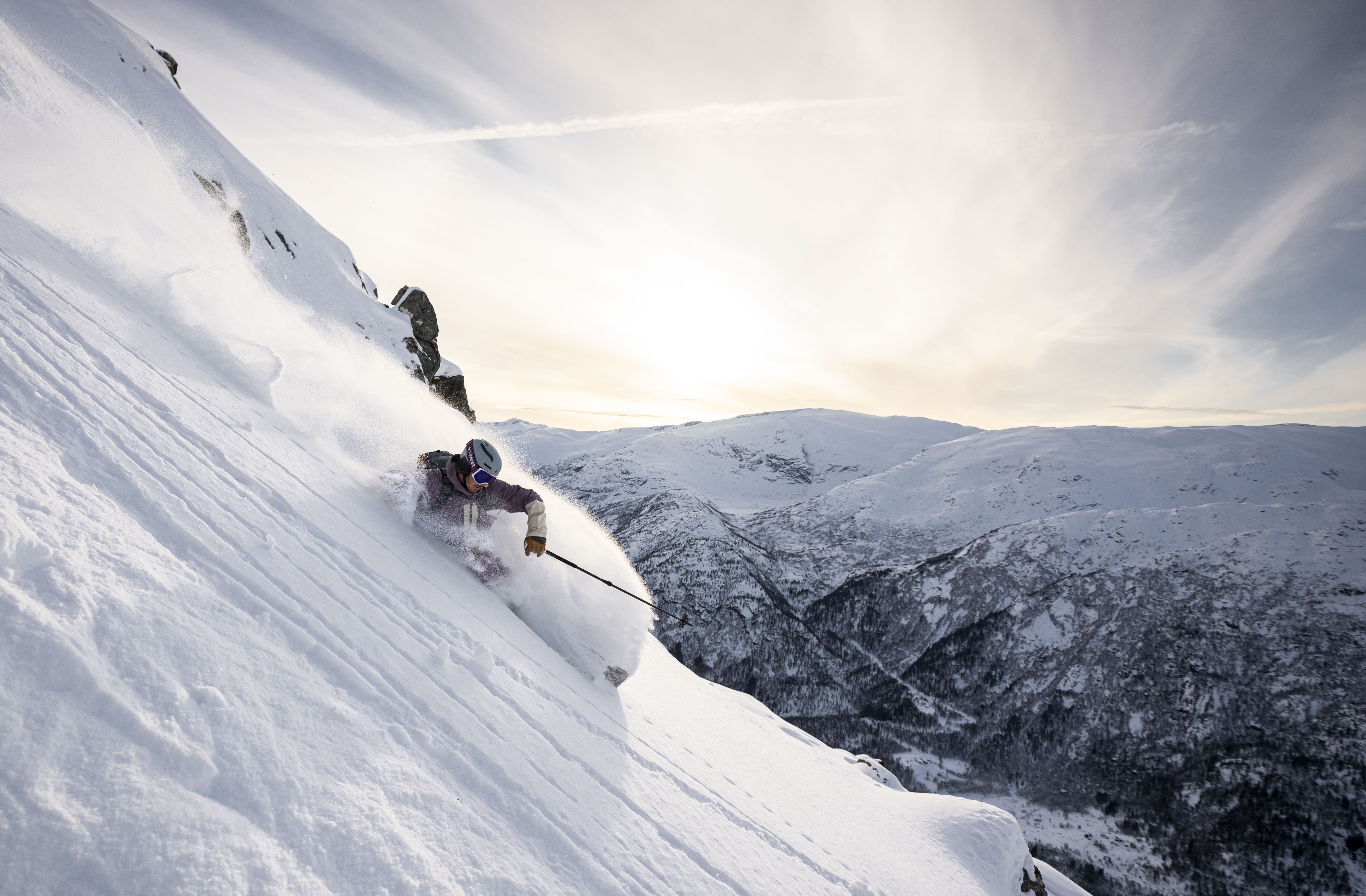
These are the midlayers you zip into before you zip up the shell, built to hold their own on the chairlift and pack down small enough to stash in a locker when the sun comes out.
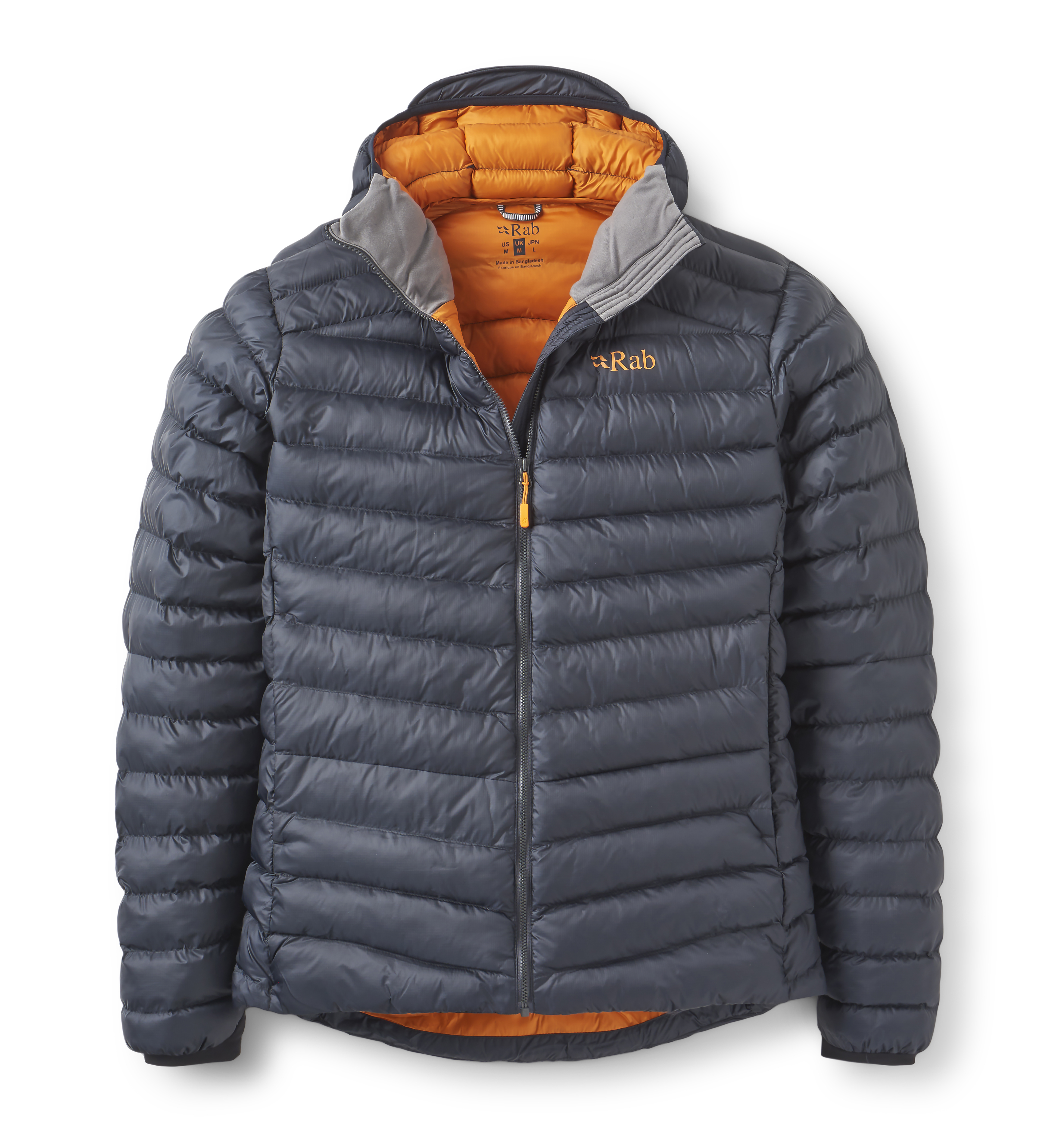
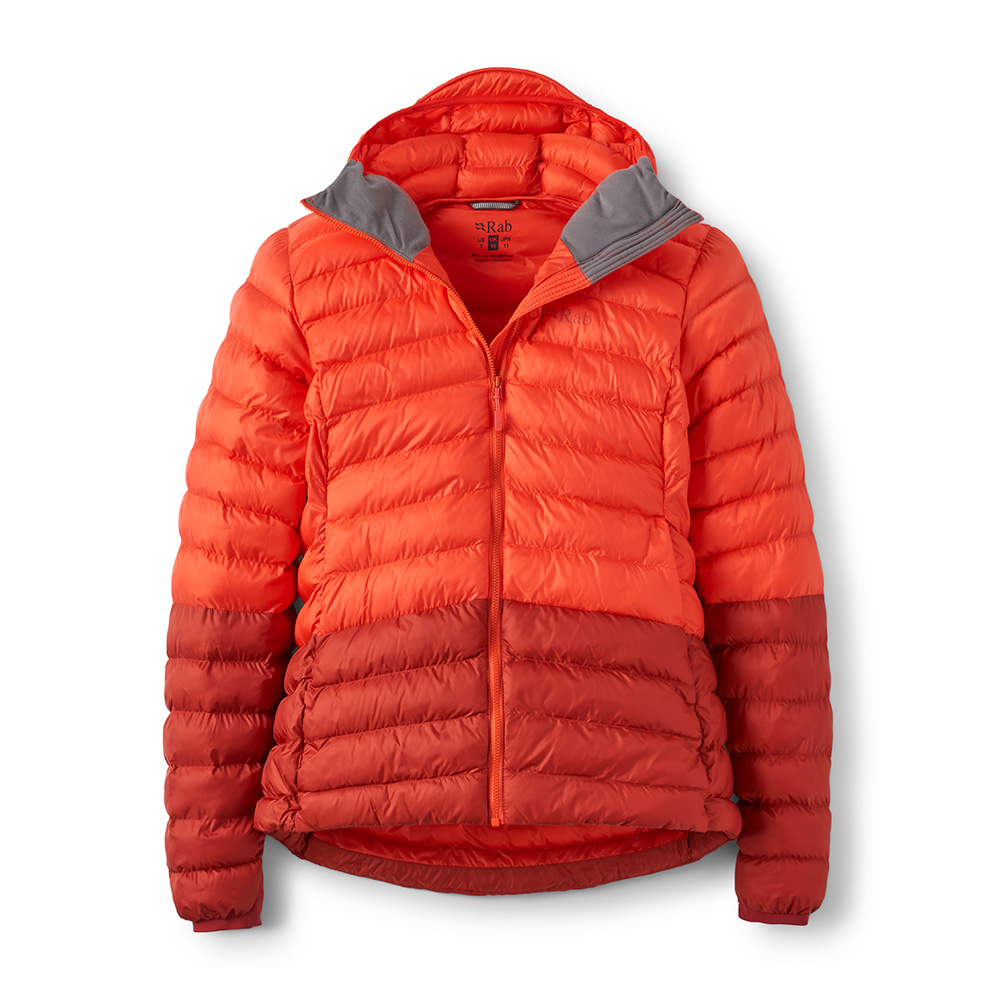
Rab Cirrus Alpine Jacket
A year-round synthetic insulated jacket with PrimaLoft Silver RISE recycled insulation and a Pertex Quantum shell. An integrated hood and packaway pocket make it a versatile layer to wear under a resort shell on the coldest days. Available in both men's and women's fits.
| Men's | Women's |
   |
 |
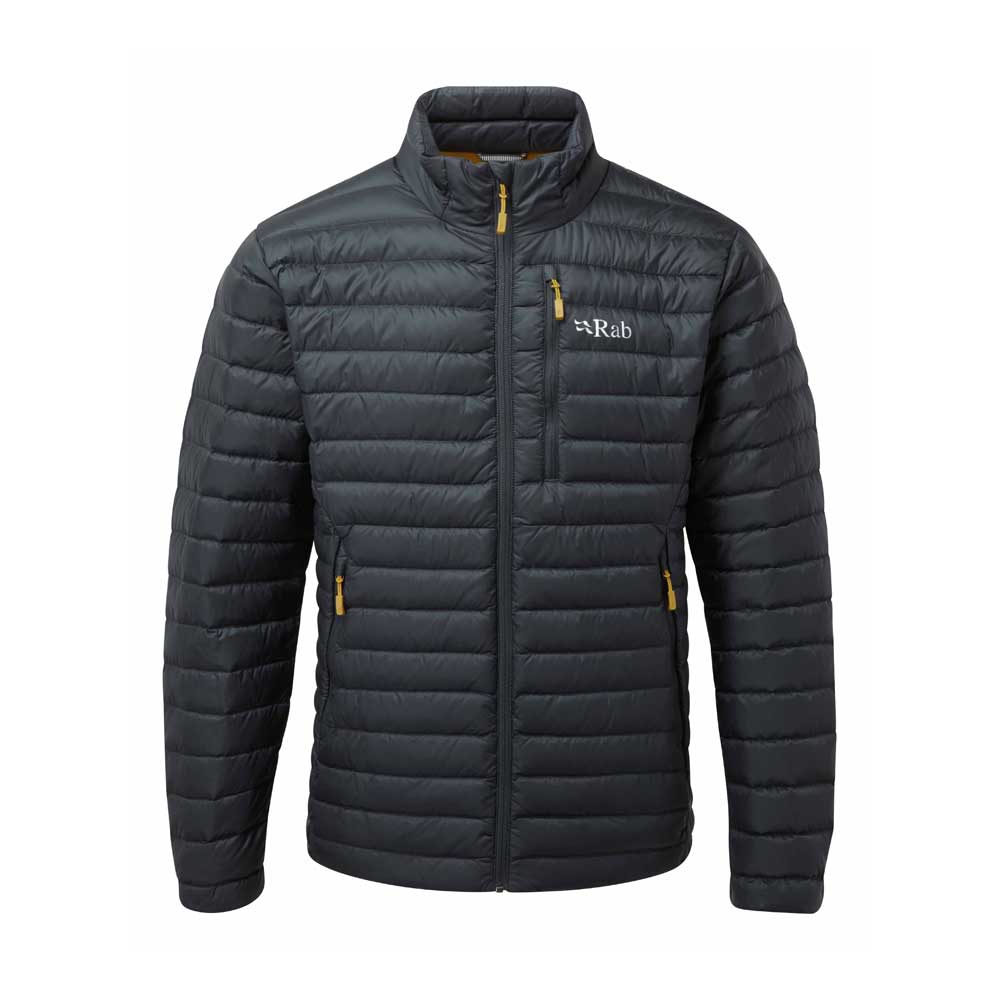
Rab Microlight Jacket
A packable 700 fill power recycled down jacket with a Pertex Quantum NetPlus shell and zoned baffle construction. Light enough to layer under a shell without adding bulk, and packable enough to stuff away the moment the temperature climbs.
 |
Backcountry Skiing
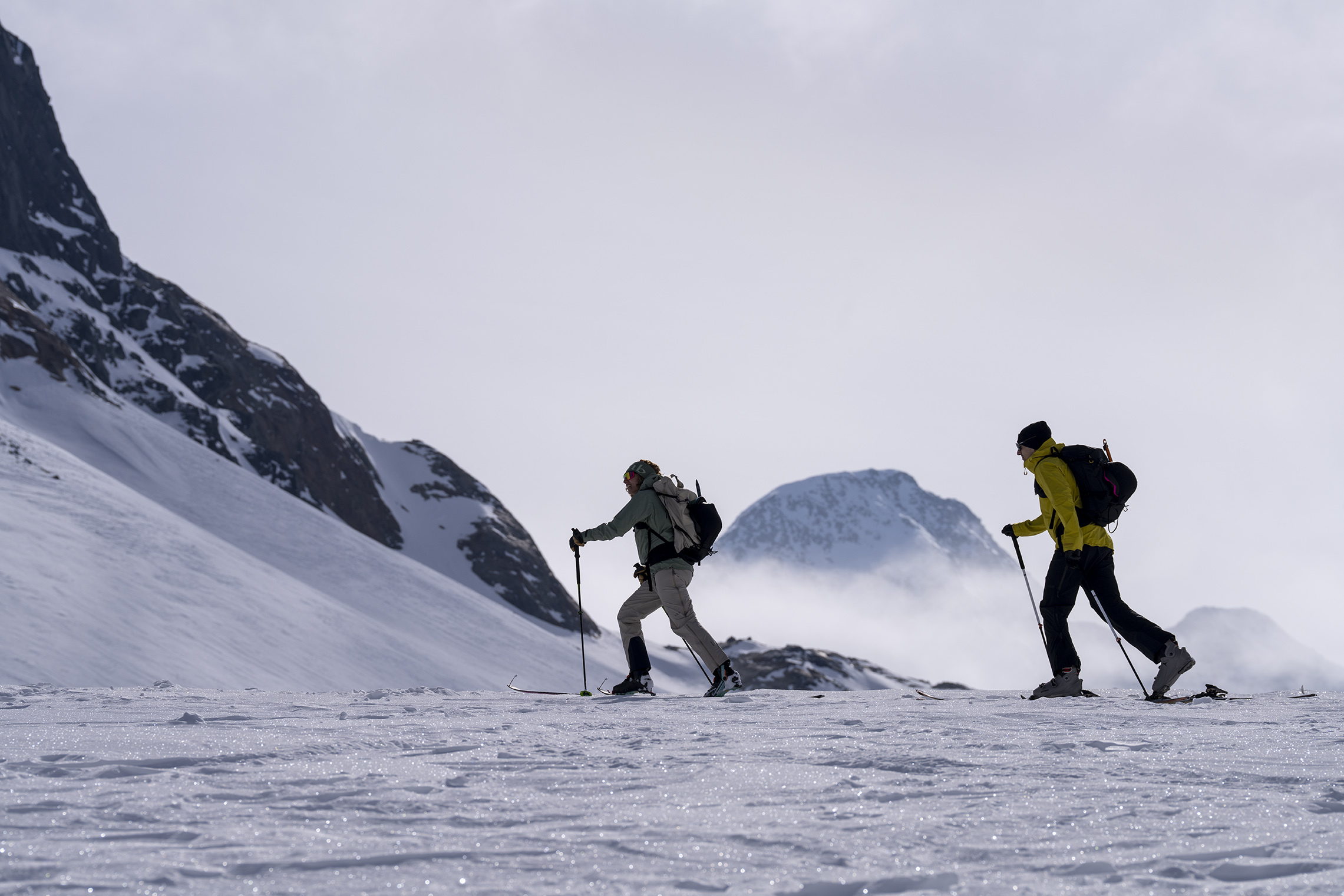
Skinning up demands breathability, while the descent and every stop in between demand real warmth. These insulators layer under a shell for the transitions and go on solo at the summit.
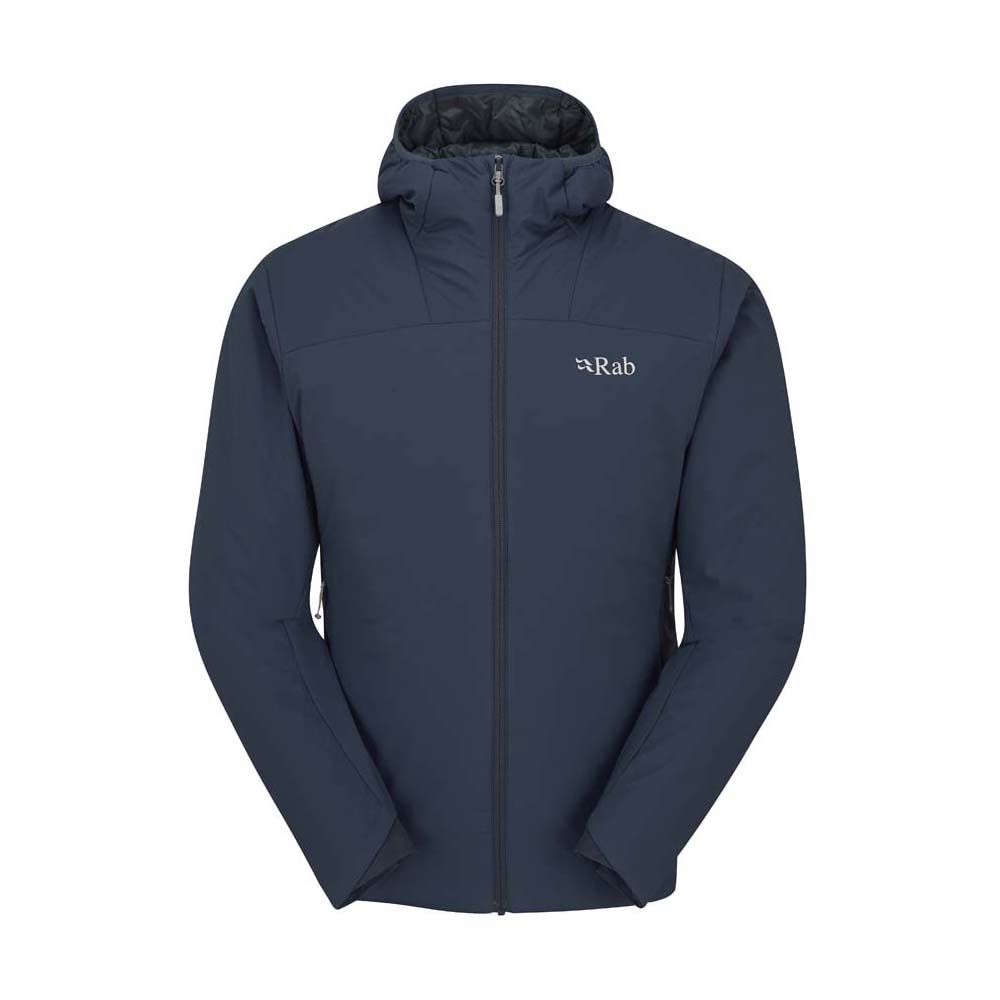
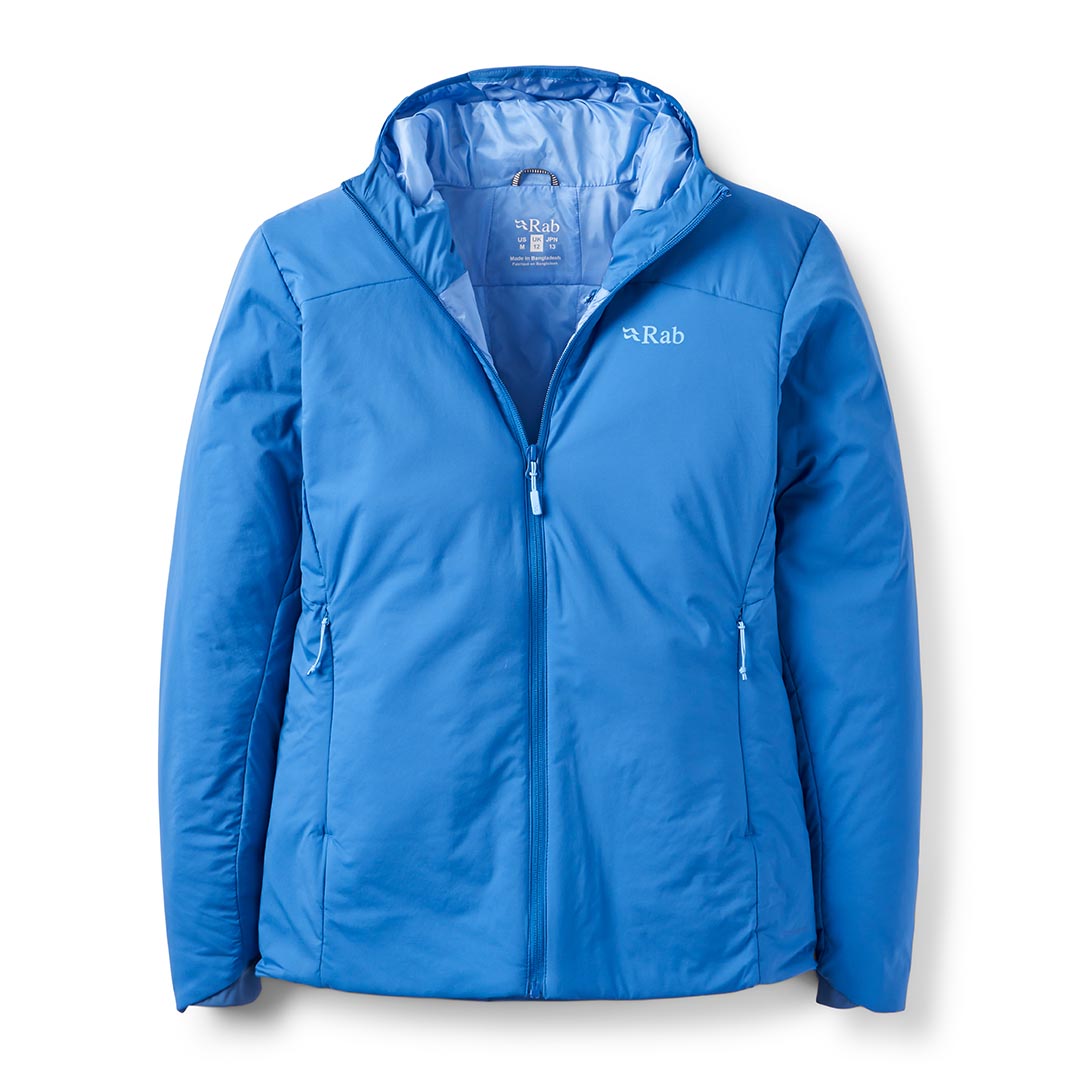
Rab Xenair Alpine Light Jacket
A lightweight synthetic insulated hoody with body-mapped, dual-weight PrimaLoft Gold Active+ insulation and a Pertex Quantum Air shell. Built for the stop-start rhythm of a backcountry day, breathable enough to layer under a shell on the skin track and warm enough to wear alone at the transition.
| Men's | Women's |
 |
 |
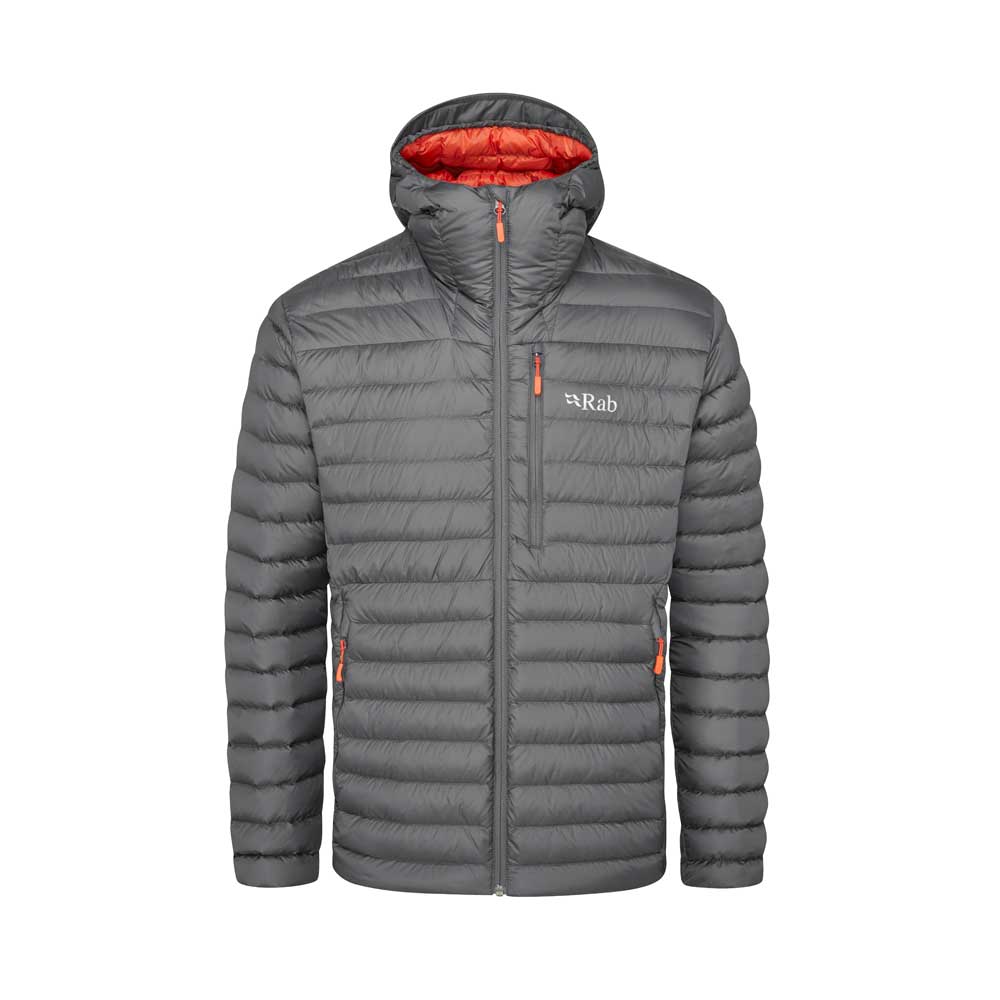
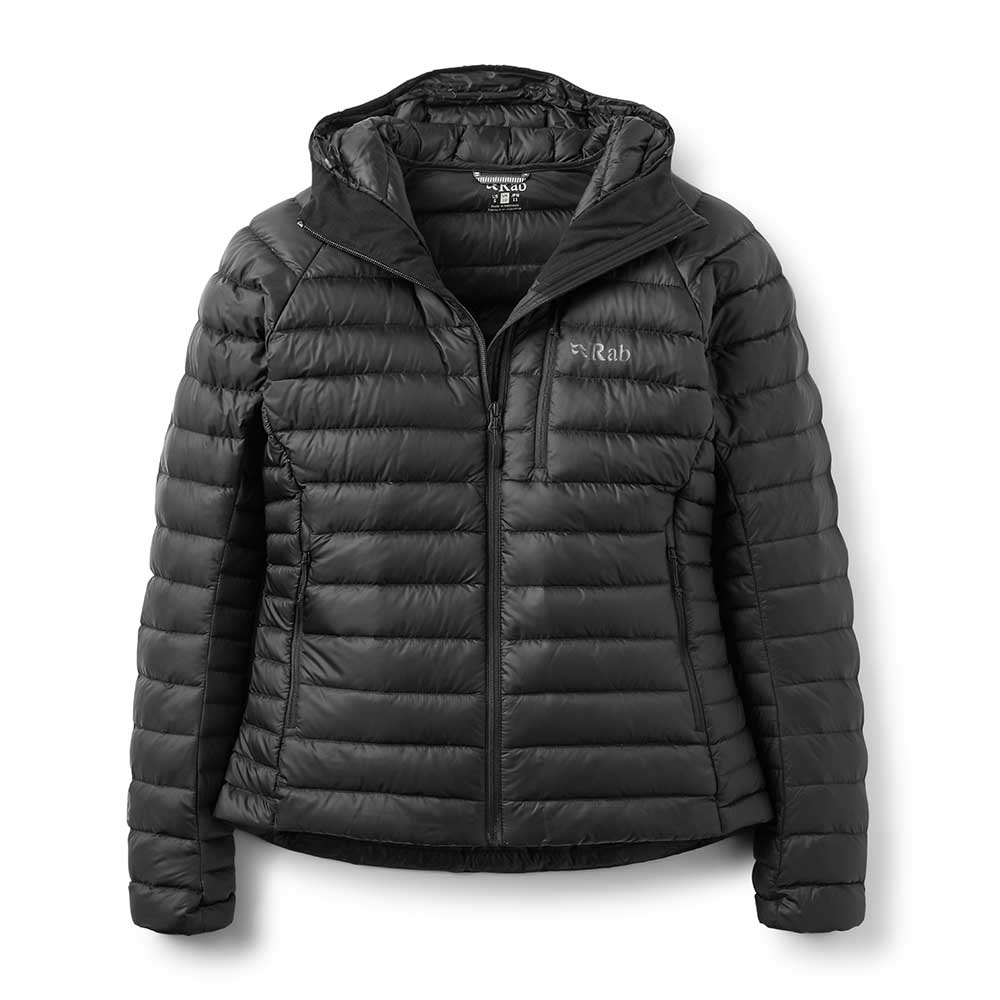
Rab Microlight Alpine Hoody
A packable 700 fill power recycled down hoody with a Pertex Quantum NetPlus shell and zoned baffles, ready to layer under a shell for the descent or throw on solo during a summit break.
| Men's | Women's |
 |
 |
Winter Hiking

Cold-weather hiking is really a game of managing moisture as much as managing warmth. These pieces are built to layer under a shell for the climb and take over on their own once you stop for a break or a view.
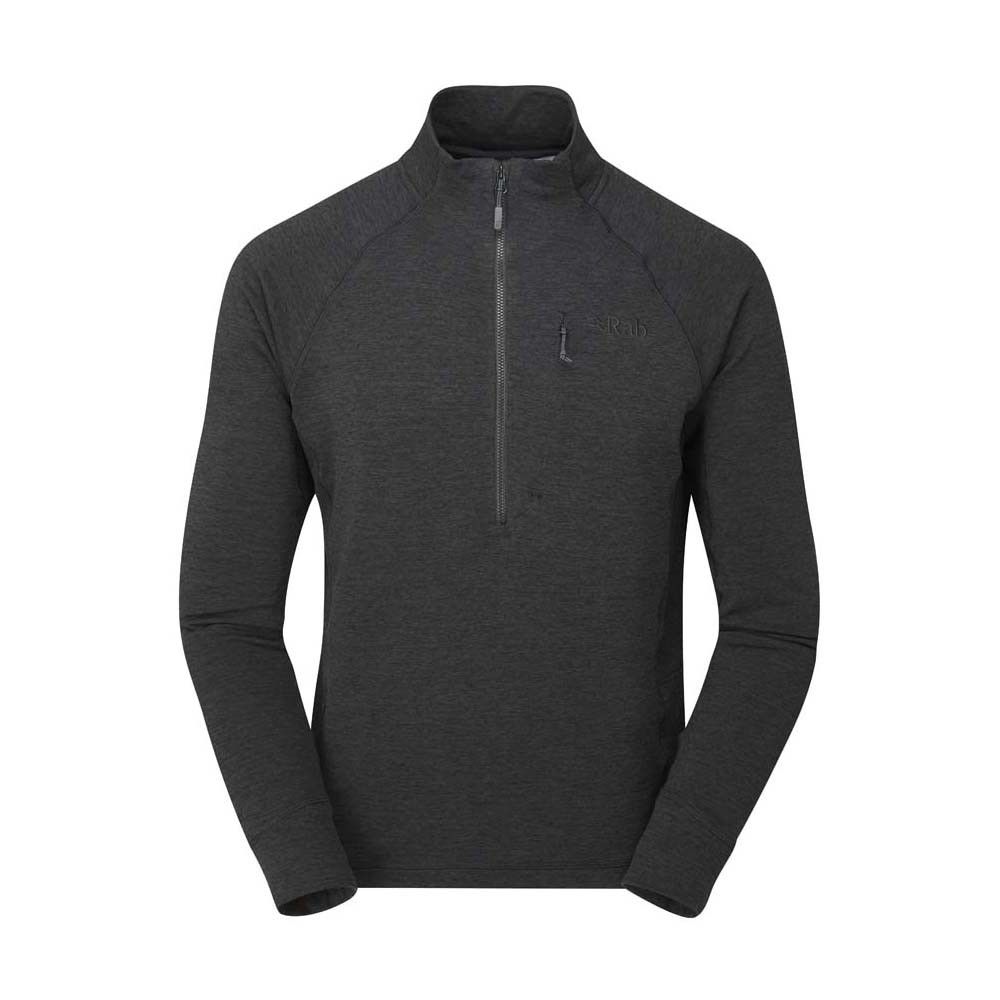
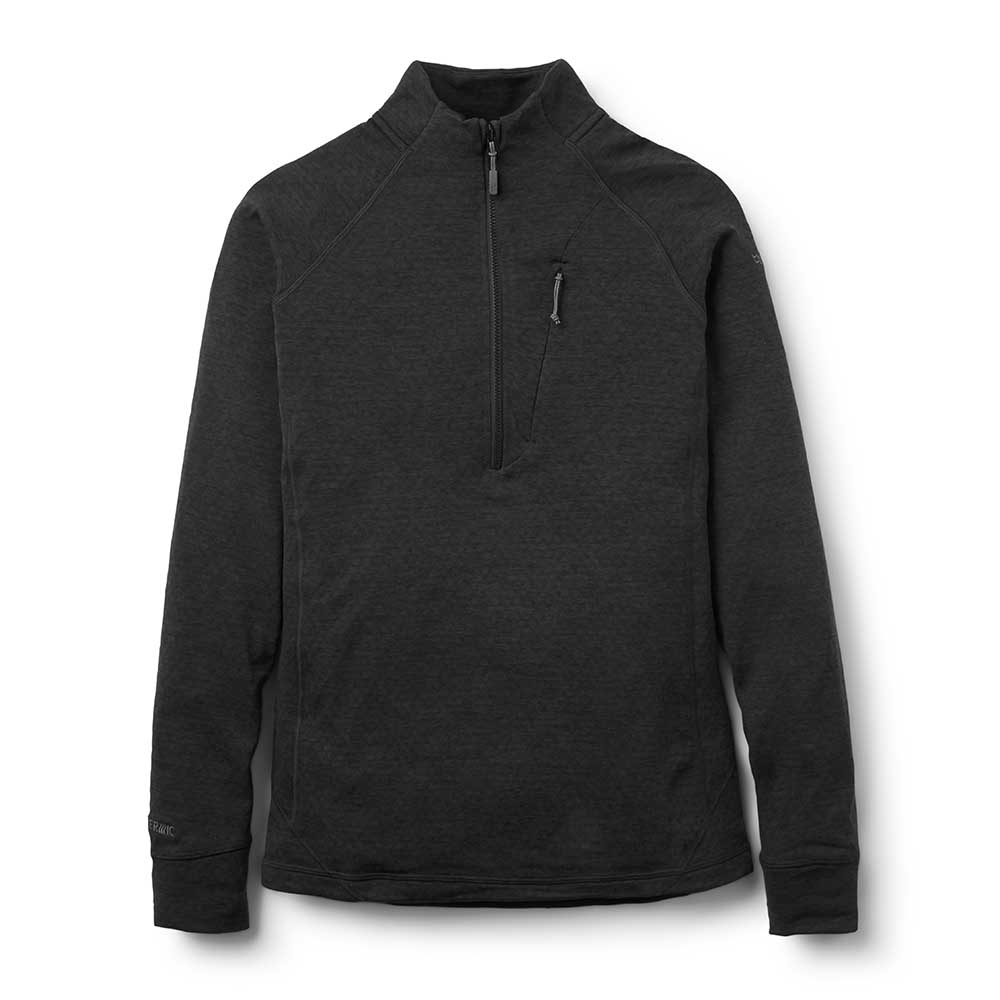
Rab Nexus Pull-On
A lightweight stretch fleece midlayer made from Thermic G circular backer recycled polyester, with a deep venting center front zip and flatlock seams for a versatile hiking, climbing, and mountaineering layer that dumps heat fast on a climb.
| Men's | Women's |
 |
 |
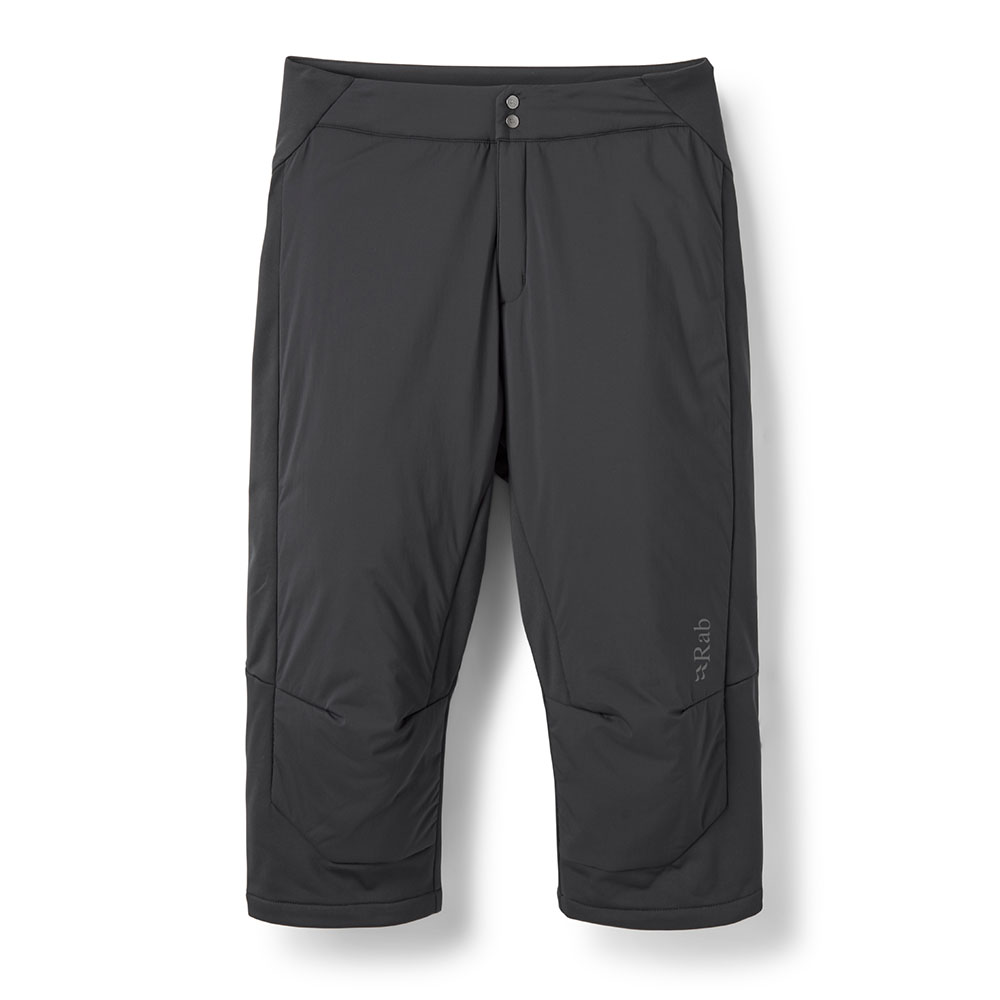
Rab Xenair 3/4 Pants
Active insulation isn't just for jackets. These three-quarter length pants pair a Pertex Quantum Air shell with PrimaLoft Gold Active+ insulation and articulated knee construction, giving cold hands and cold hips equal treatment on a winter trail.
| Men's |
 |
Climbing
From the crag to a fast-and-light alpine push, these pieces trade weight for warmth in all the right places.
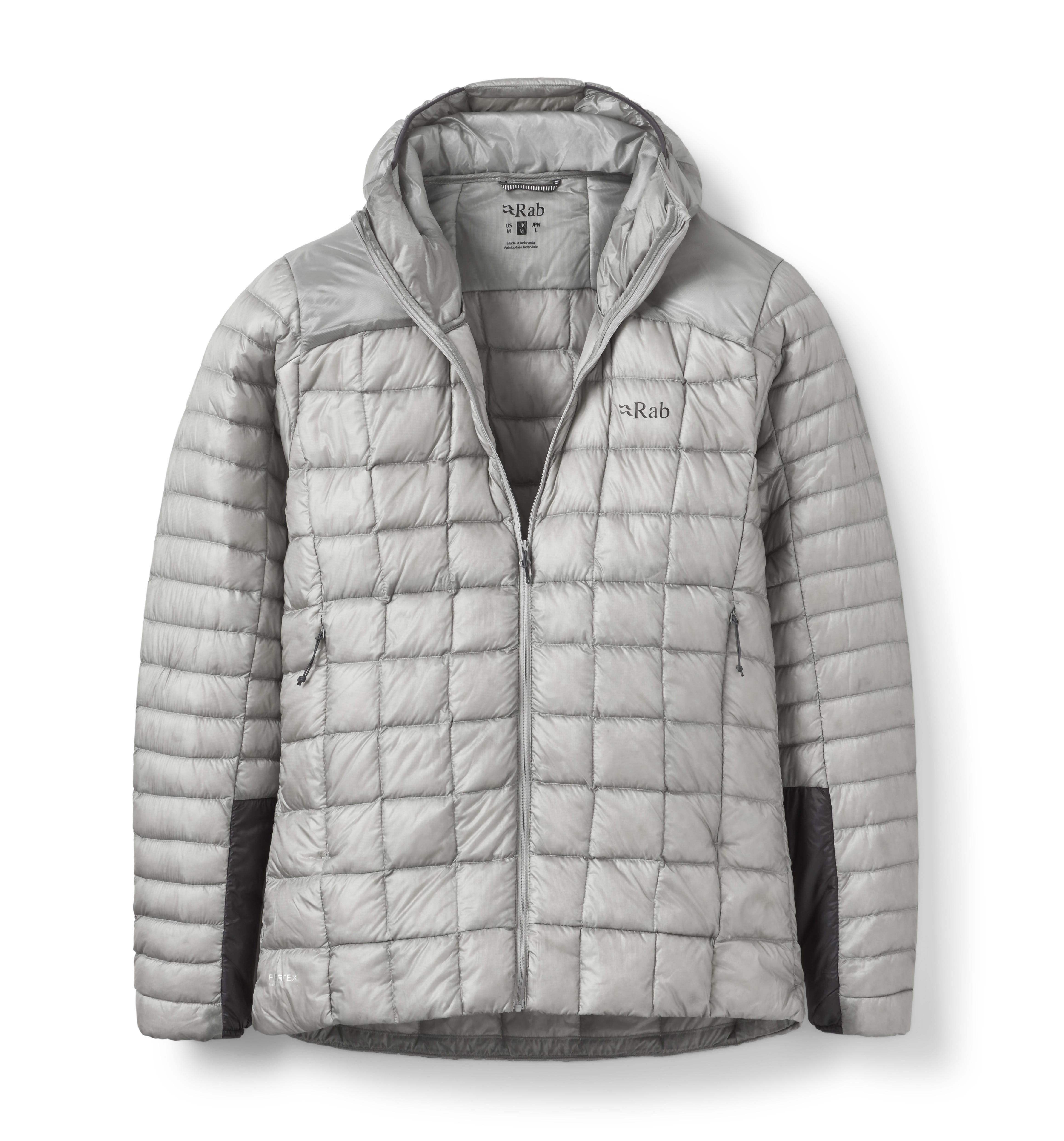
Rab Mythic Alpine Light Jacket
An ultralight 900 fill power goose down hoody with a 10D Pertex Quantum shell, built for fast-and-light climbing days when every ounce counts.
| Men's |
 |
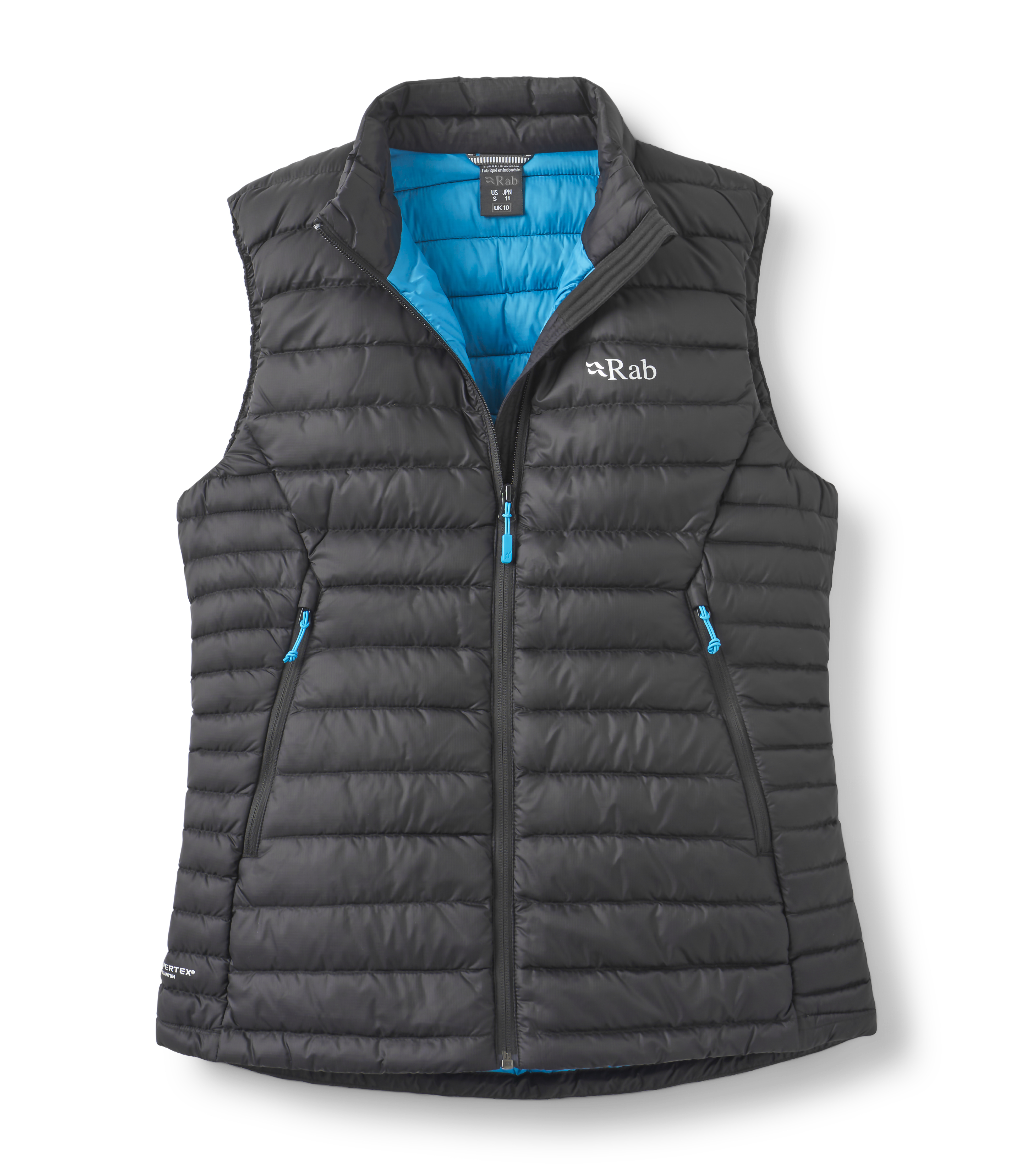
Rab Microlight Vest
A packable 700 fill power recycled down vest, built for lightweight core warmth on climbing days when you need insulation at the belay without sleeves getting in the way.
| Women's |
 |
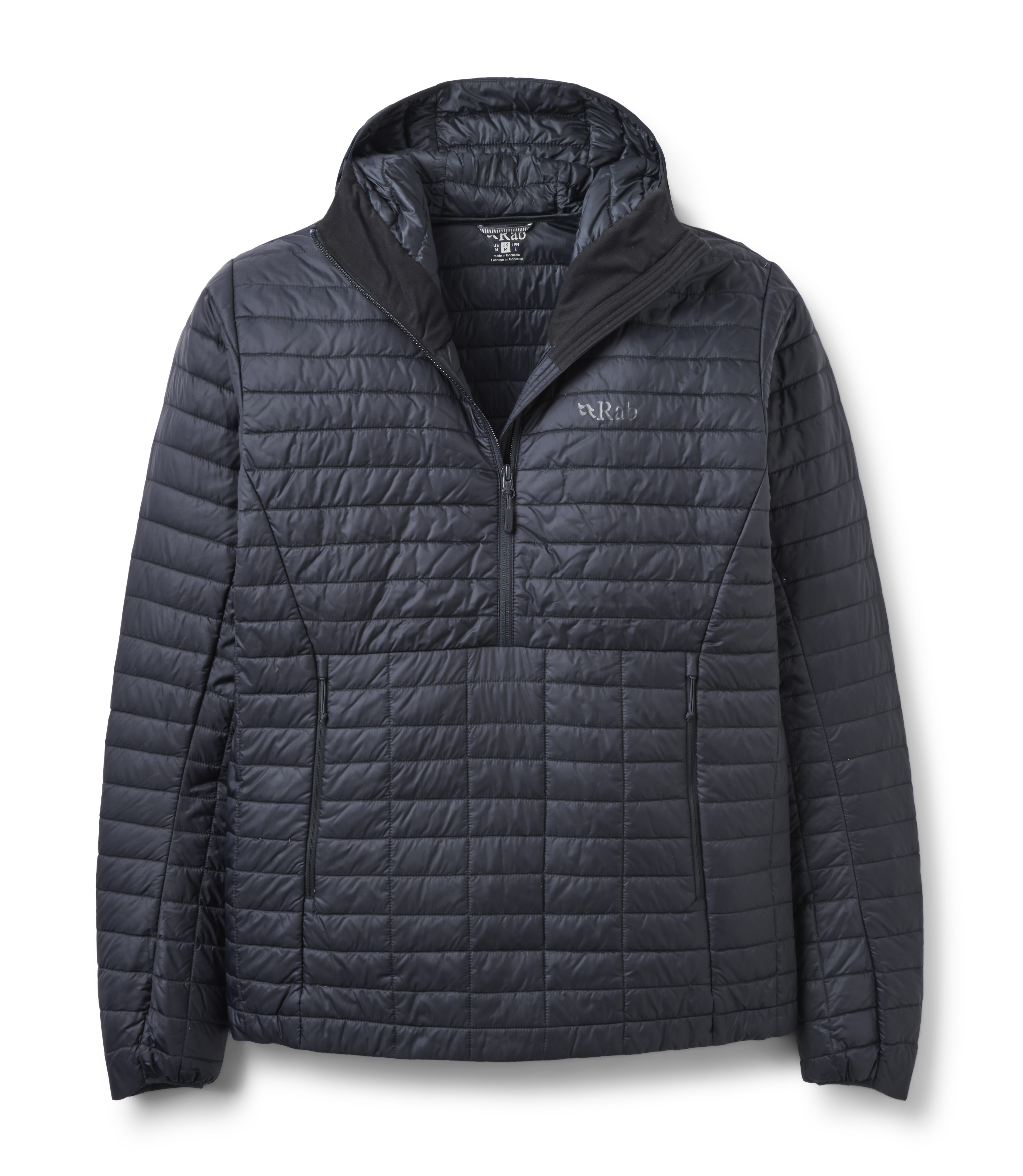
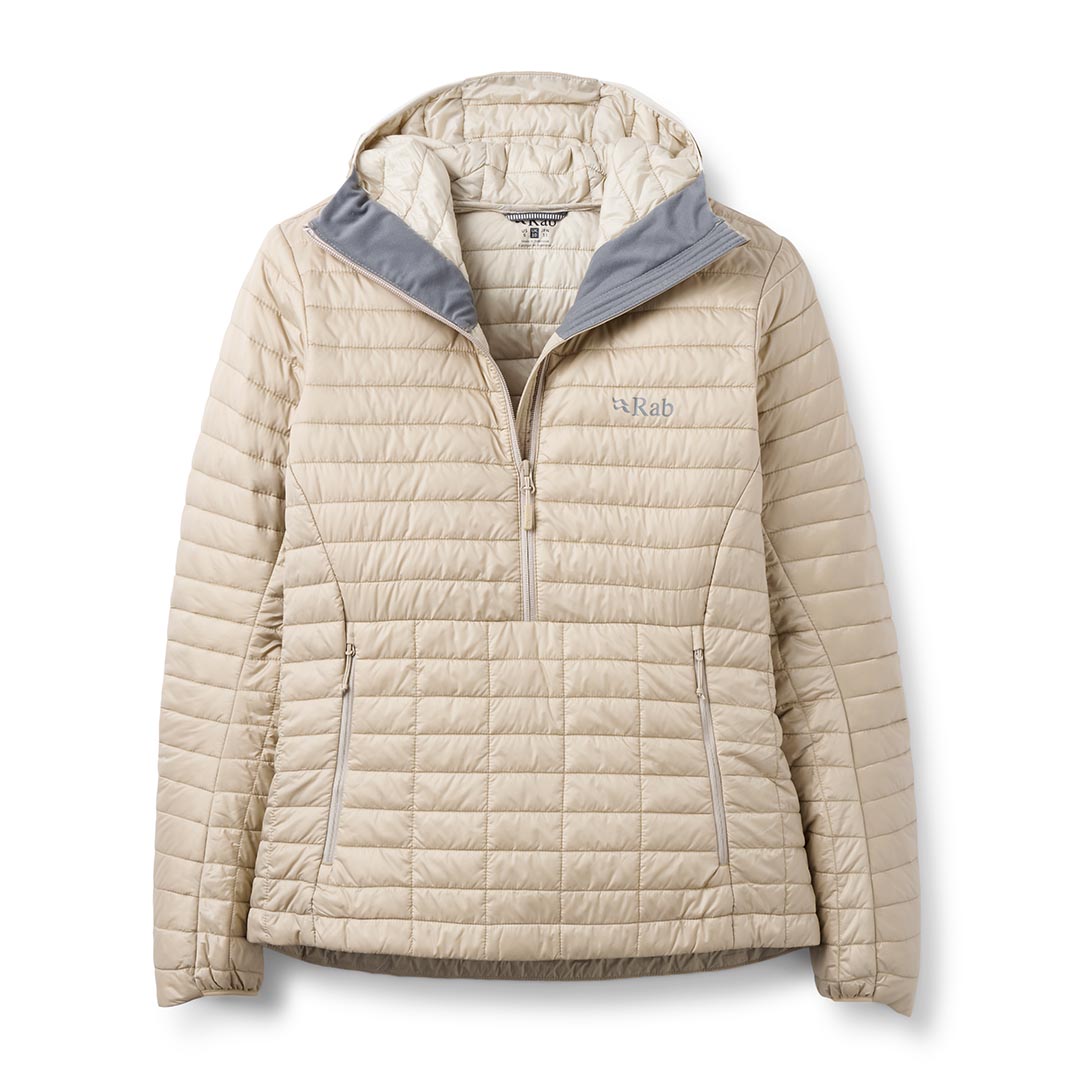
Rab Microlighter Pullover Hoody
An insulated smock built with TXdown recycled sheet insulation and a Pertex Quantum NetPlus shell, offering breathable warmth for active mountain layering between pitches. The men's version is called the Microlight Pullover Hoody, and the women's version is the Microlighter Pullover Hoody.
| Men's | Women's |
 |
 |
Mountaineering
When the objective is serious and the weather isn't forgiving, these are the insulators built to hold the line.
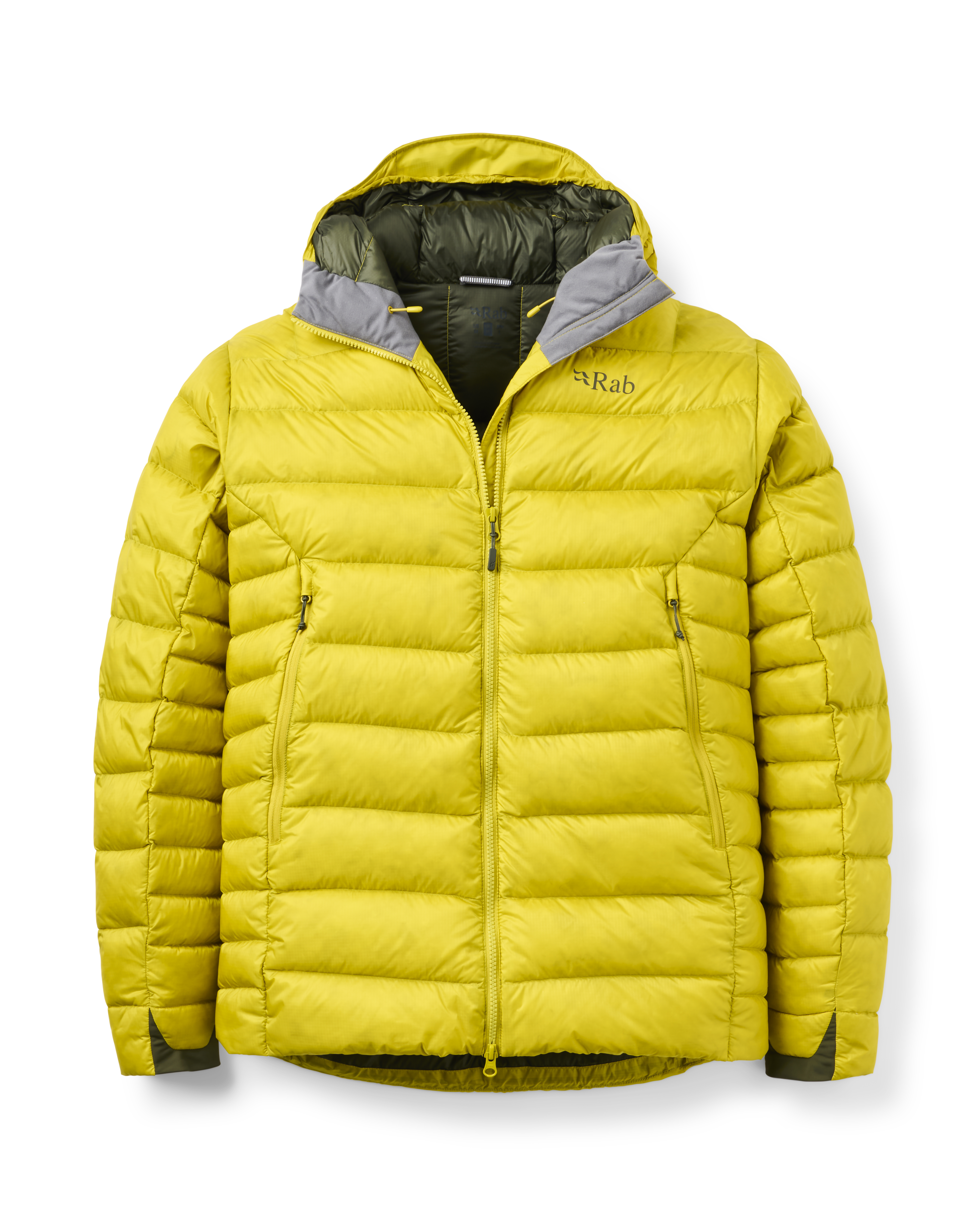
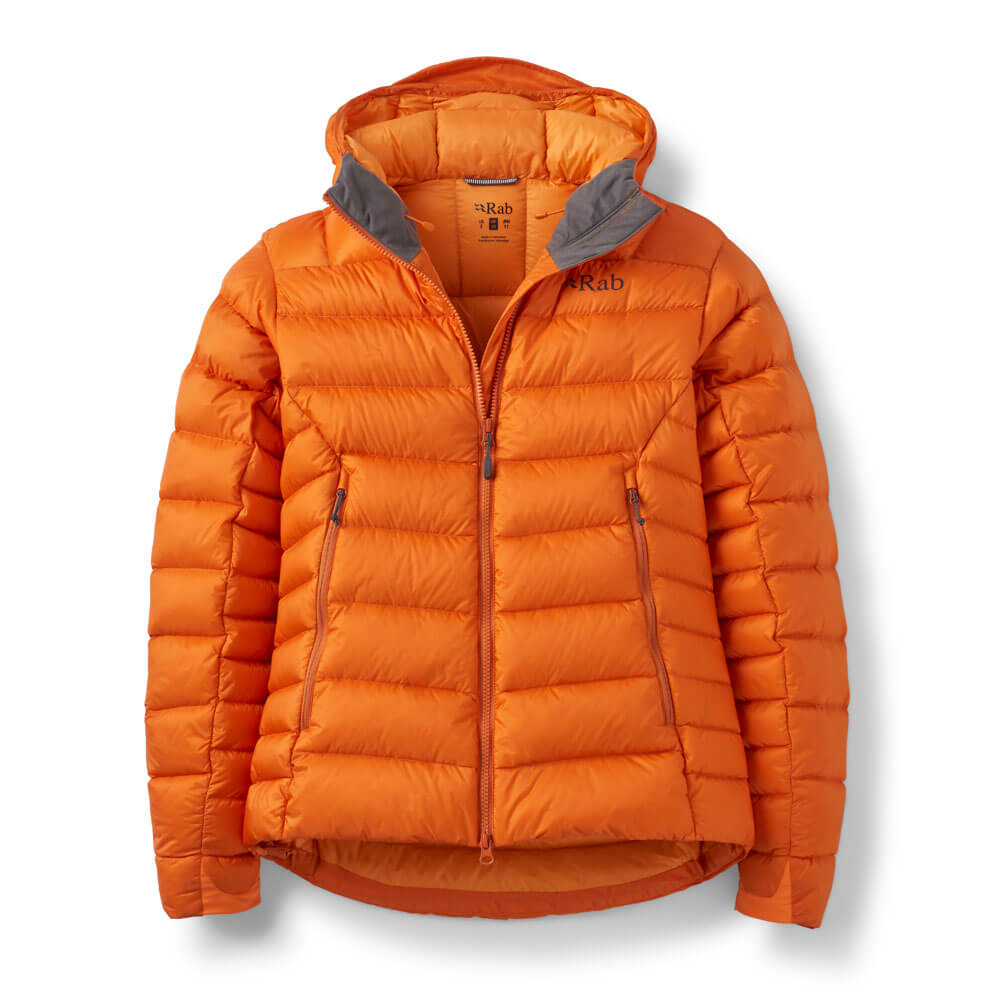
Rab Electron Pro Hoody
An 800 fill power down jacket with a recycled Pertex Quantum Pro shell and a helmet-compatible hood, built for winter mountaineering and technical climbing.
| Men's | Women's |
 |
 |
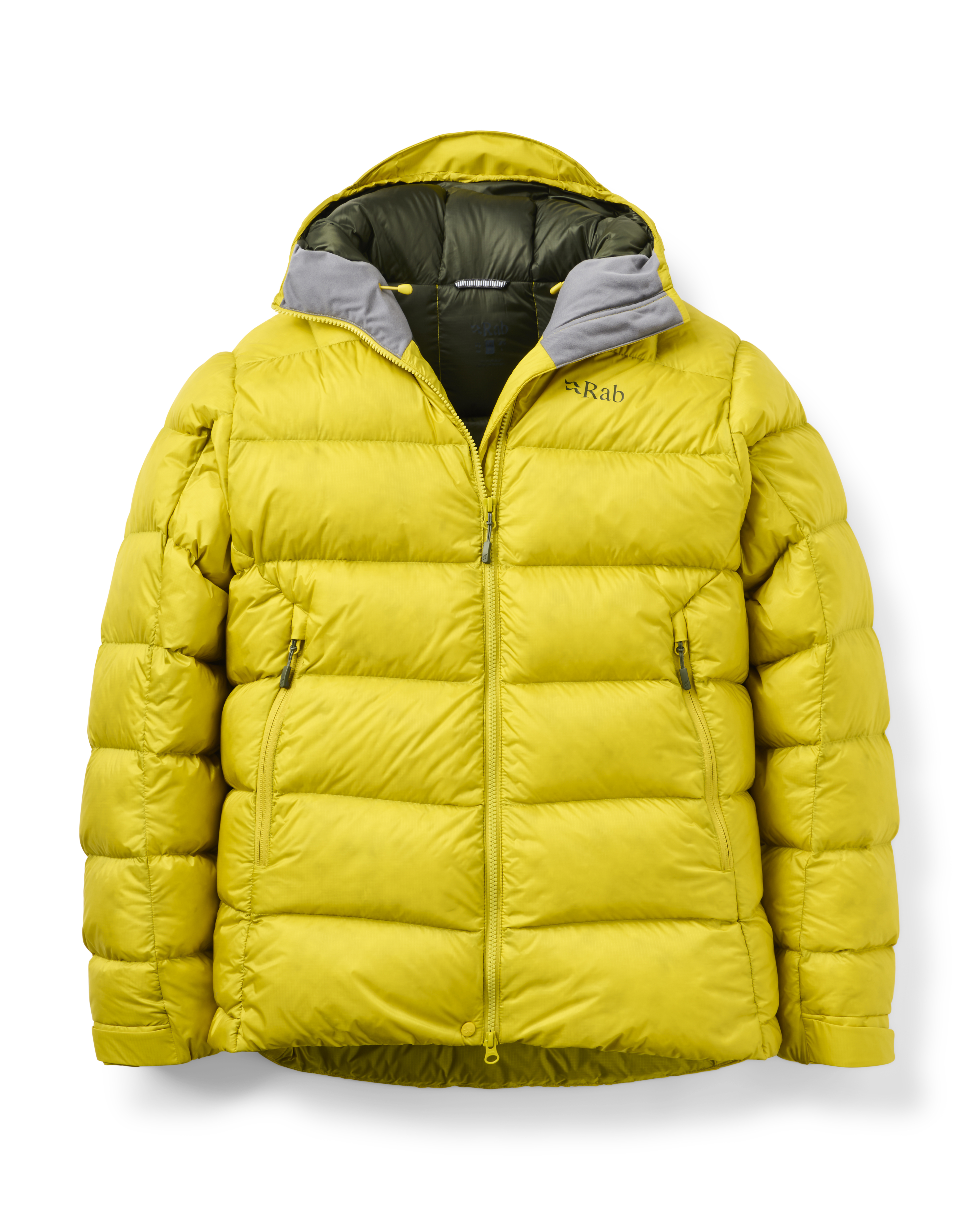
Rab Neutrino Pro Hoody
The iconic 800 fill power down mountaineering jacket, with a fully adjustable helmet-compatible hood built for serious winter objectives.
| Men's | Women's |
 |
 |
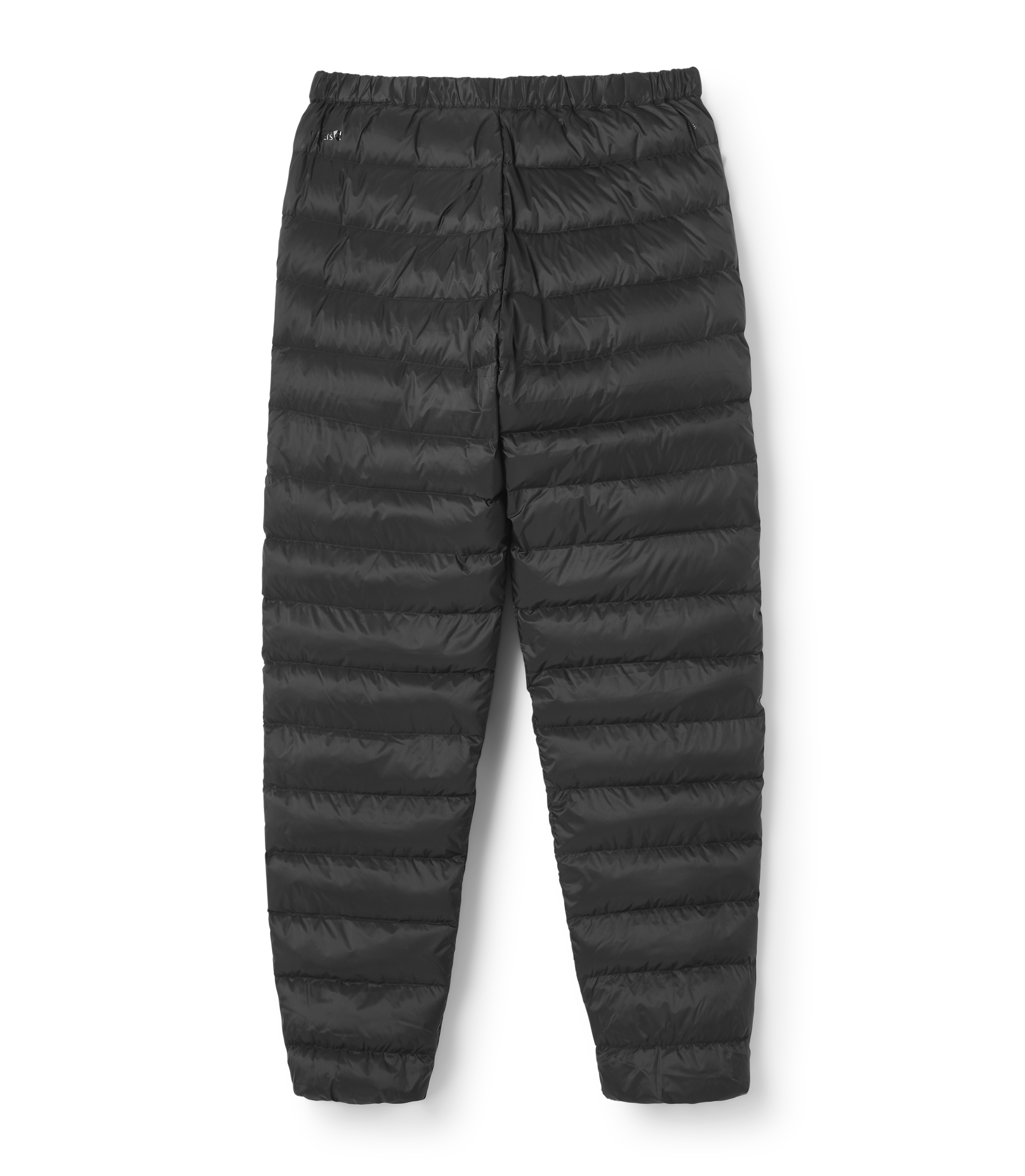
Rab Electron Pro Pants
Packable 800 fill power down pants built with Pertex Quantum Pro, designed for mountaineering, bivy use, and cold belay ledges. A midi baffle construction and removable belted waistband round out an essential cold-weather climbing layer for the lower body.
| Men's |
 |
Casual
For the days that call for warmth without the technical bulk, these midlayers move easily from town to trailhead.
Rab Valiance
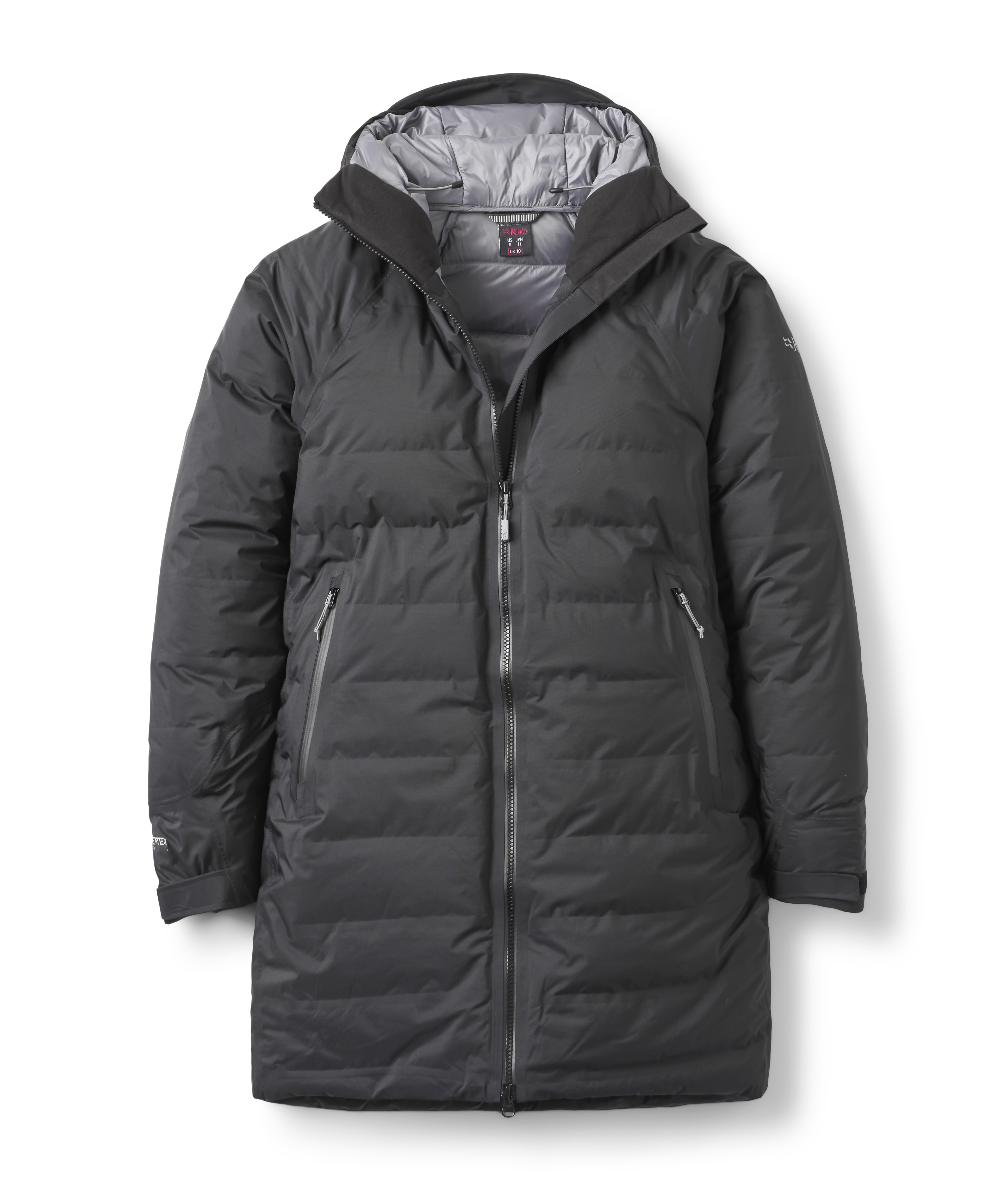
A waterproof down piece combining a 2-layer Pertex Shield outer with 700 fill power recycled down, built for cold-weather everyday outdoor use. The men's cut is a hip-length jacket, while the women's Valiance Parka adds extended length for extra lower-body coverage. A durable, everyday-ready piece for the days that call for warmth on their own, no shell required.
| Men's Jacket | Women's Parka |
 |
 |
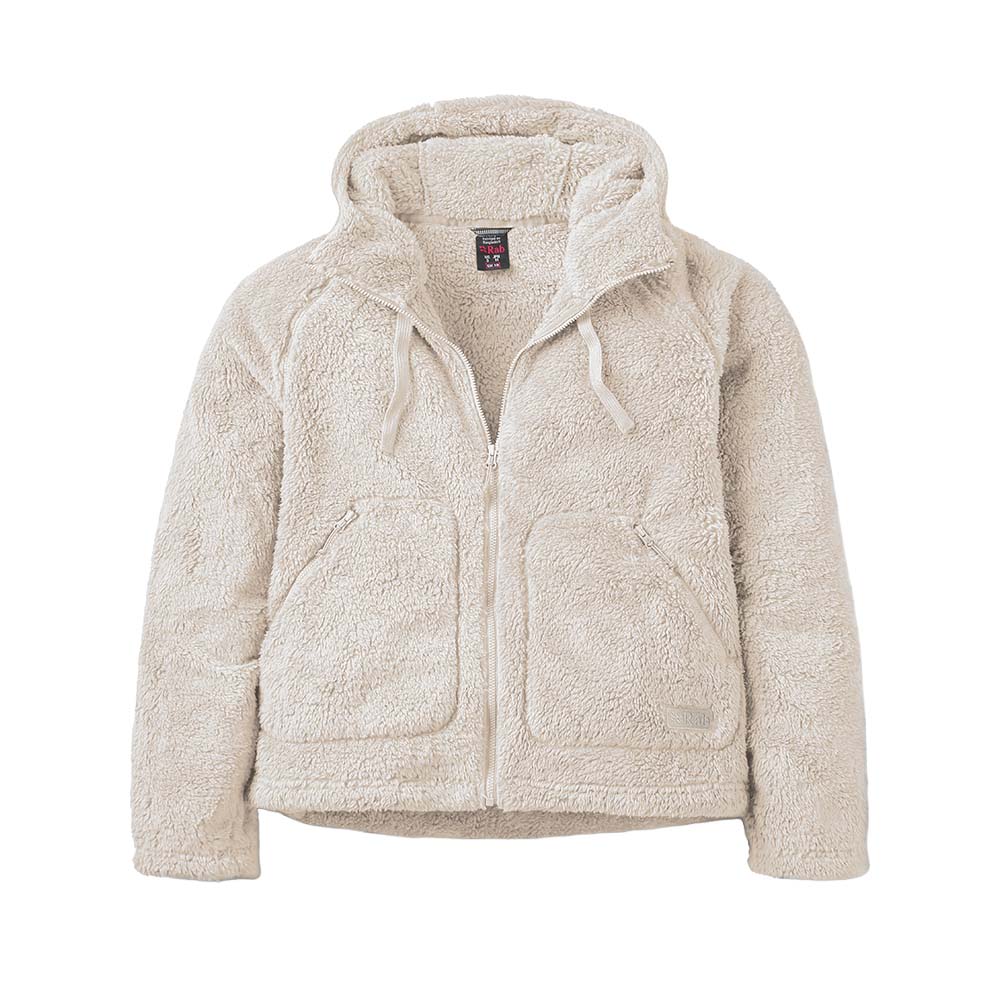
Rab Ardena Hoody - Women's
A high-pile fleece hoody with a relaxed fit, drawcord hood, and raglan sleeves. This is the easy, go-to comfort layer for cool mornings and everyday adventures.
 |
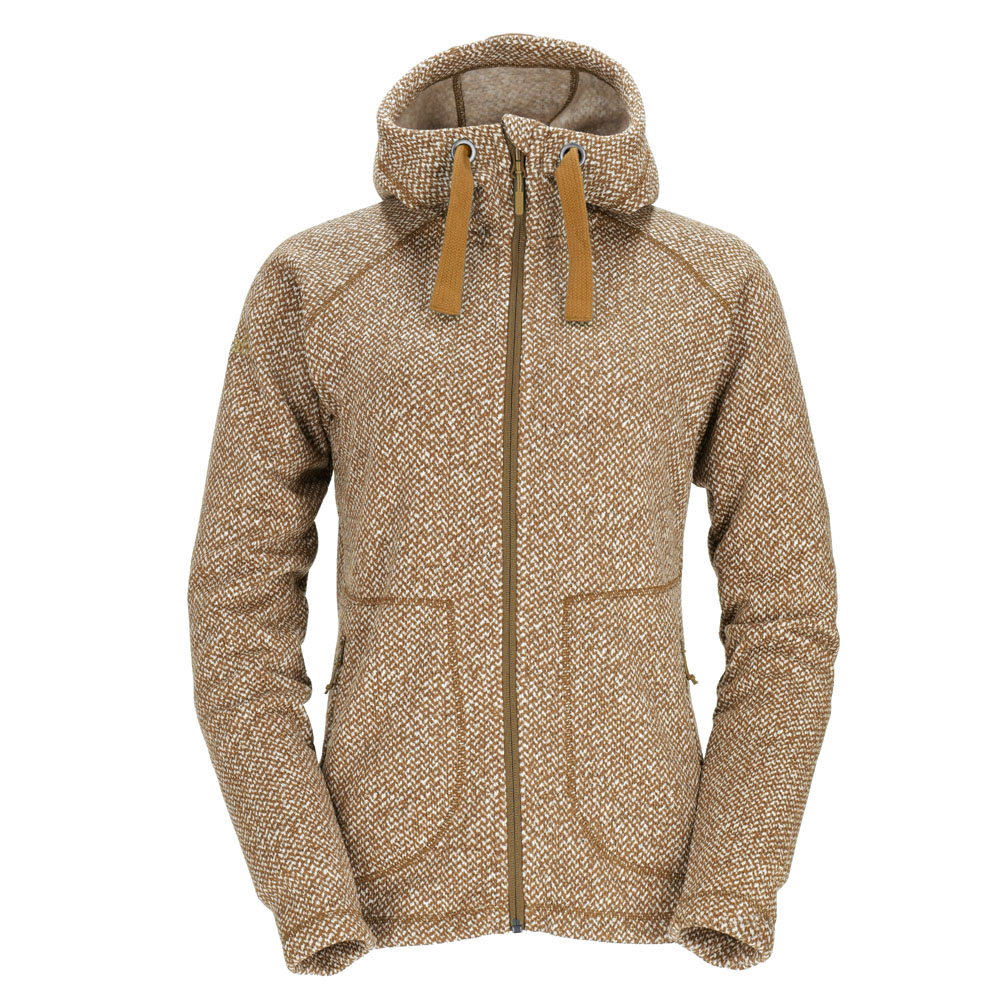
Rab Amy Hoody - Women's
A casual zip hoody built from a chunky, recycled sweater-knit polyester fleece. It reads more like a favorite sweater than technical gear, which is exactly the point for a low-key layer you will reach for constantly.
 |
Insulator Quick Reference by Activity
| Activity | Best Insulation Type | Why |
| Resort Skiing | Synthetic or down | Static warmth on the lift, easy to shed on a warm afternoon |
| Backcountry Skiing | Synthetic (active insulation) | Breathes on the skin track, still warm at the transition |
| Winter Hiking | Down parka plus synthetic bottoms | Down for static breaks, synthetic where moisture and movement are constant |
| Climbing | Down (lightweight and packable) | Minimal weight and pack size for the rack |
| Mountaineering | Down (high fill power) | Best warmth-to-weight ratio for extreme static cold |
| Casual | Down or fleece | Warmth and comfort matter more than breathability during rest |
Frequently Asked Questions
What is an insulator or midlayer? An insulator, also called a midlayer, is the piece worn between a base layer and an outer shell. Its job is to trap warm air close to the body, and it can also be worn on its own once temperatures allow.
Should I choose down or synthetic insulation? Choose down for the best warmth-to-weight ratio and packability in dry, cold conditions, such as a belay ledge or a mountaineering summit push. Choose synthetic for wet or highly aerobic conditions, such as ski touring or winter hiking, where insulation needs to keep working even when damp.
What does fill power mean on a down jacket? Fill power measures how many cubic inches one ounce of down occupies. A higher number means fluffier, more efficient down clusters and more warmth for the weight, though total warmth also depends on how much down, or fill weight, is actually in the jacket.
Can I wear a midlayer without a shell? Yes. Most of the insulators in this guide are built to work as a standalone piece in mild or dry conditions, and only need a shell over the top once wind, rain, or snow becomes a factor.
Does down insulation still work when it gets wet? Down loses loft and insulating power when it gets wet, even with a durable water repellent treatment. Synthetic insulation continues to insulate when damp, which is why it is often the better choice for aerobic activities like ski touring where sweat is a factor.
What is the difference between a jacket, a vest, and a pullover smock insulator? A vest trades sleeves for reduced weight and bulk, ideal for core warmth during high-output movement. A full jacket covers the arms for complete coverage in colder or more static conditions. A pullover smock skips a full front zip for a simpler, lighter construction, often favored for fast-and-light climbing and ski touring.
What does Responsible Down Standard mean? Responsible Down Standard, or RDS, is a certification confirming that the down in a product was sourced from birds that were not subjected to force feeding or live plucking. Many of the down insulators in this guide, including Rab's Valiance line, carry this certification.
How do I know what insulation weight I need? Insulation needs depend on your activity level and expected conditions rather than a single number. High-output activities like backcountry skiing and winter hiking generally call for lighter, more breathable insulation you can vent or shed easily, while static activities like belaying or mountaineering summit pushes call for heavier fill weight and higher fill power to hold in warmth while you are not generating much of your own heat.
Find Your Perfect Layer
No matter the mission, the right insulator is the difference between calling it a day and pushing on to the summit. Stop by the Campman warehouse to try these midlayers on for size and find the perfect fit for your next adventure.
About the Author
 Derek Newman
Born in the Wasatch, Derek has had an affinity for mountain life since day one. He was on skis the year he learned to walk, and as a high school graduation present he gifted himself rock climbing lessons. Nearly two decades later, Derek spends most of his time climbing up and/or skiing down most of the mountains around Salt Lake City, and he’s traveled around the world multiple times for the sole purpose of peak exploration. When he isn’t a man about camp, he’s working in Campman’s content marketing crew writing up blogs about backcountry skiing or rock climbing as well as describing products that he’s used personally. He’s climbed in most climbing shoes, toured on most backcountry skis, and ridden the resort on skis, snowboards, and even some evac sleds.
Share on: