
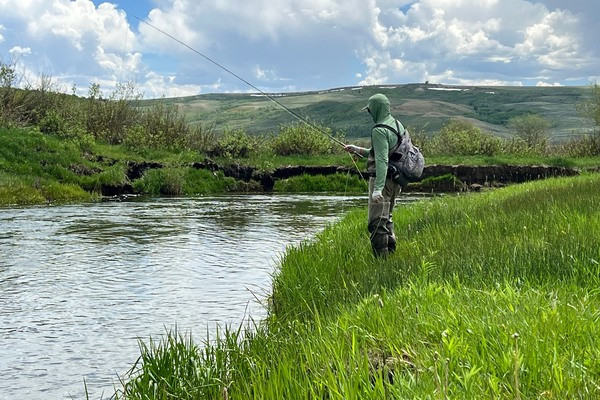
Which Fly Line Should I Use? Trout, Bass, and Saltwater Answered
Posted by Derek Newman on 2nd Jun 2026
The fly line is the single most important piece of gear in your fly fishing setup. It determines how far you cast, how your fly lands, how it drifts, and whether the fish ever sees it coming. A great rod with the wrong line is a frustrating experience. A modest rod with the right line is a joy to fish. This guide answers one question: what fly line do you actually need? The answer depends on three things: the species you are targeting, the water you are fishing, and the presentations you need to make. Work through the section that matches what you fish, and you will walk away with a clear answer and a line to buy.
How to Read a Fly Line
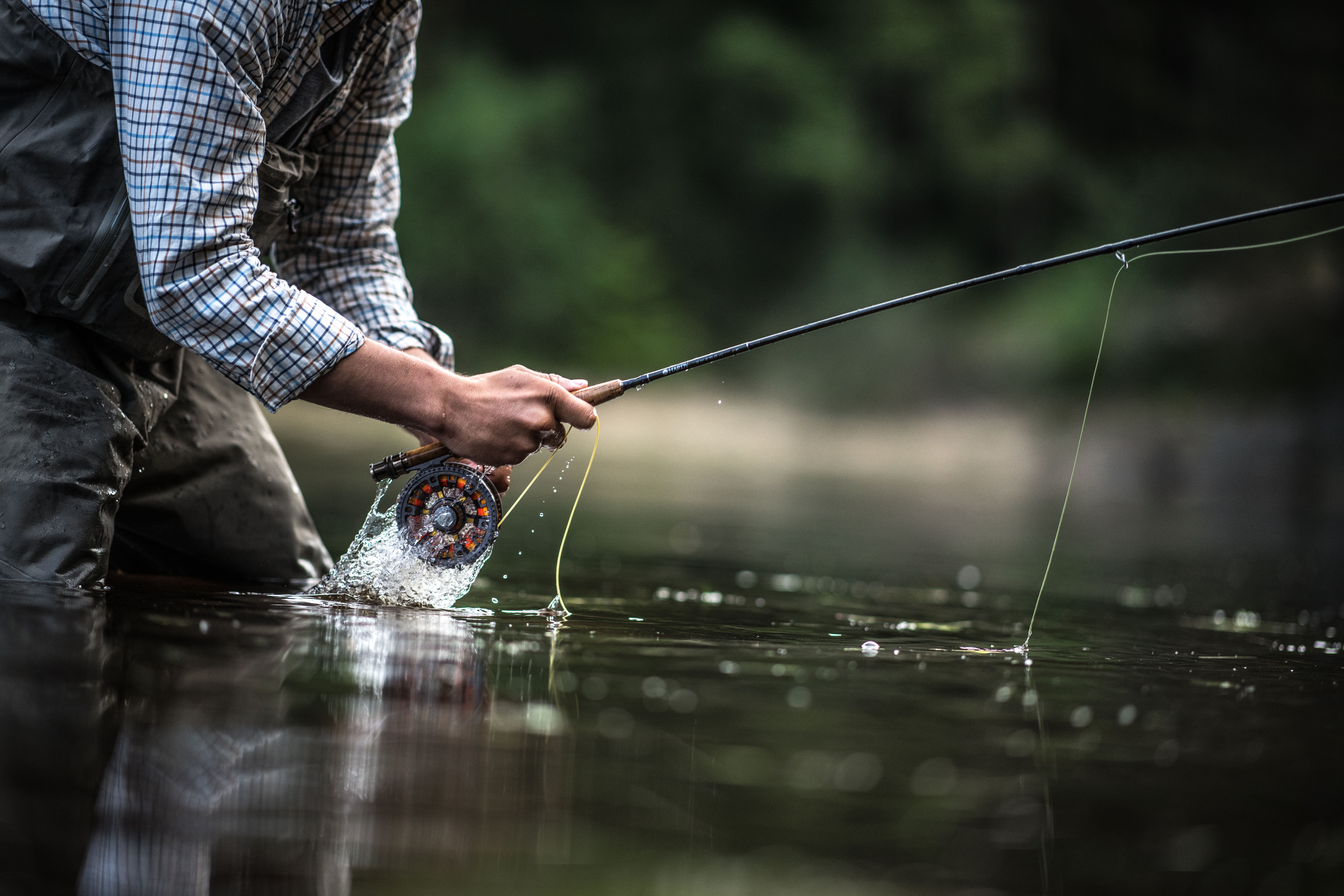
Before getting into species, a quick orientation. Every fly line has four key specs: taper, weight, sink rate, and temperature. The taper determines how the line loads the rod and how the fly turns over. Weight-forward tapers put more mass up front for distance and punching flies into wind. Double tapers are more delicate and better for roll casts and short presentations. The weight number matches your rod weight, so a 5-weight rod uses a 5-weight line. Sink rate tells you where in the water column the line fishes: floating lines sit on the surface, sinking lines go down at rates measured in inches per second, and intermediate lines suspend just below the surface. Also be sure to check out the line's temperature rating. Most trout lines, for example, are for cold water and get gummy in warm water, and warm water lines are too stiff in cold temperatures. The right combination of those four things is what separates a line that works from one that just tangles.
What Fly Line Do I Need for Trout?
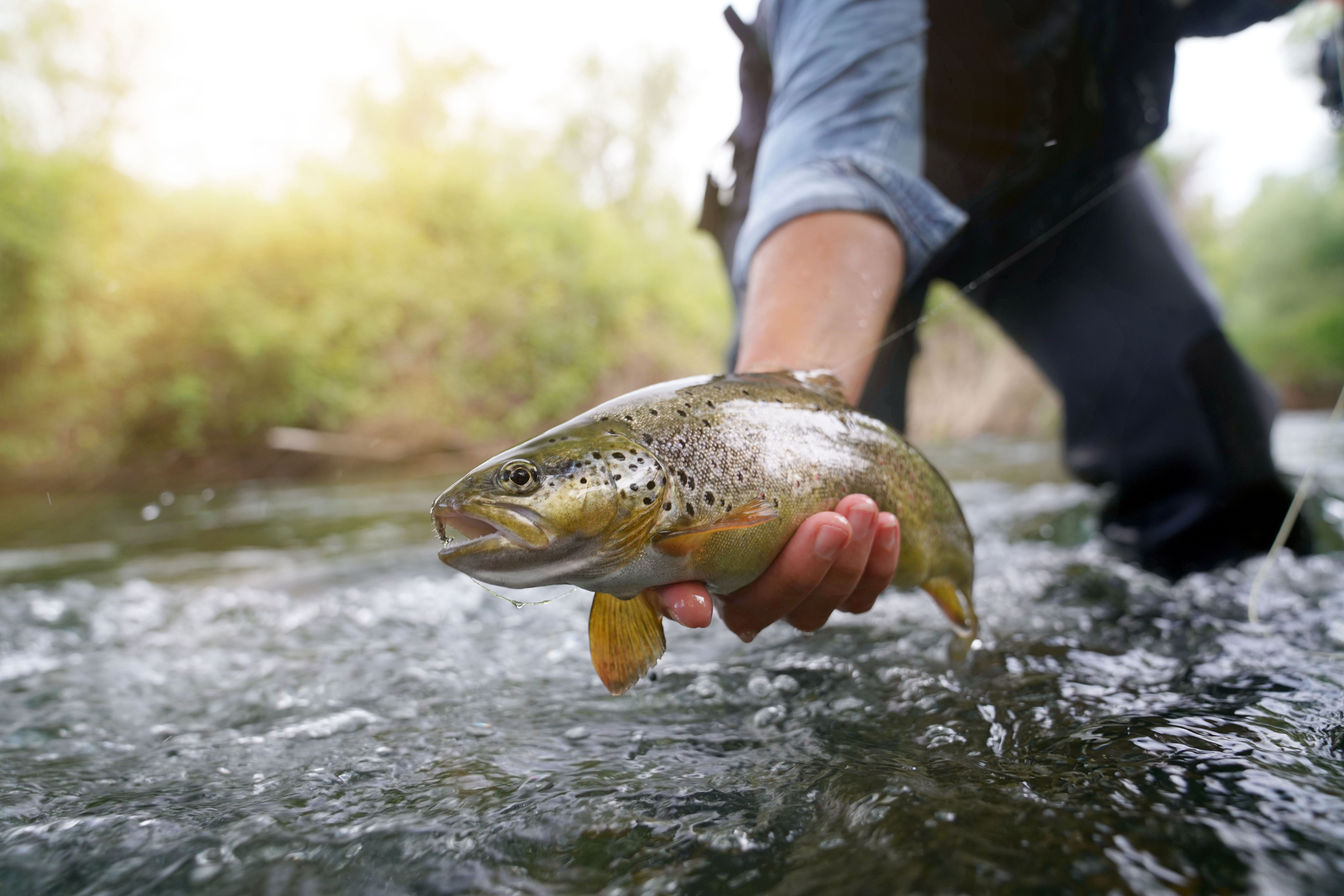
Trout fishing covers more variables than any other species category. You might be dead-drifting dry flies on a spring creek, swinging streamers through a deep run, nymphing heavy water with split shot, or tossing hoppers along a cutbank. Each of those presentations asks something different from the line. The good news is that for most trout fishing, one well-chosen floating line handles the majority of situations. Add a sinking option for streamers and you are covered for nearly anything.
Best All-Around Trout Line: Scientific Anglers Amplitude Smooth Infinity
If you fish one line for all your trout water, this is it. The Amplitude Smooth Infinity is a versatile weight-forward floating line with a moderate taper that loads well at short to medium distances, turns over dry flies cleanly, and handles a wide enough range of presentations to cover most trout scenarios. The smooth AST Plus coating reduces friction in the guides for better distance and sheds water efficiently. Available in weights 3 through 8, it works from small creeks to big western rivers. At $99.95 it sits in the middle of the Scientific Anglers lineup, and it earns its price.
   |
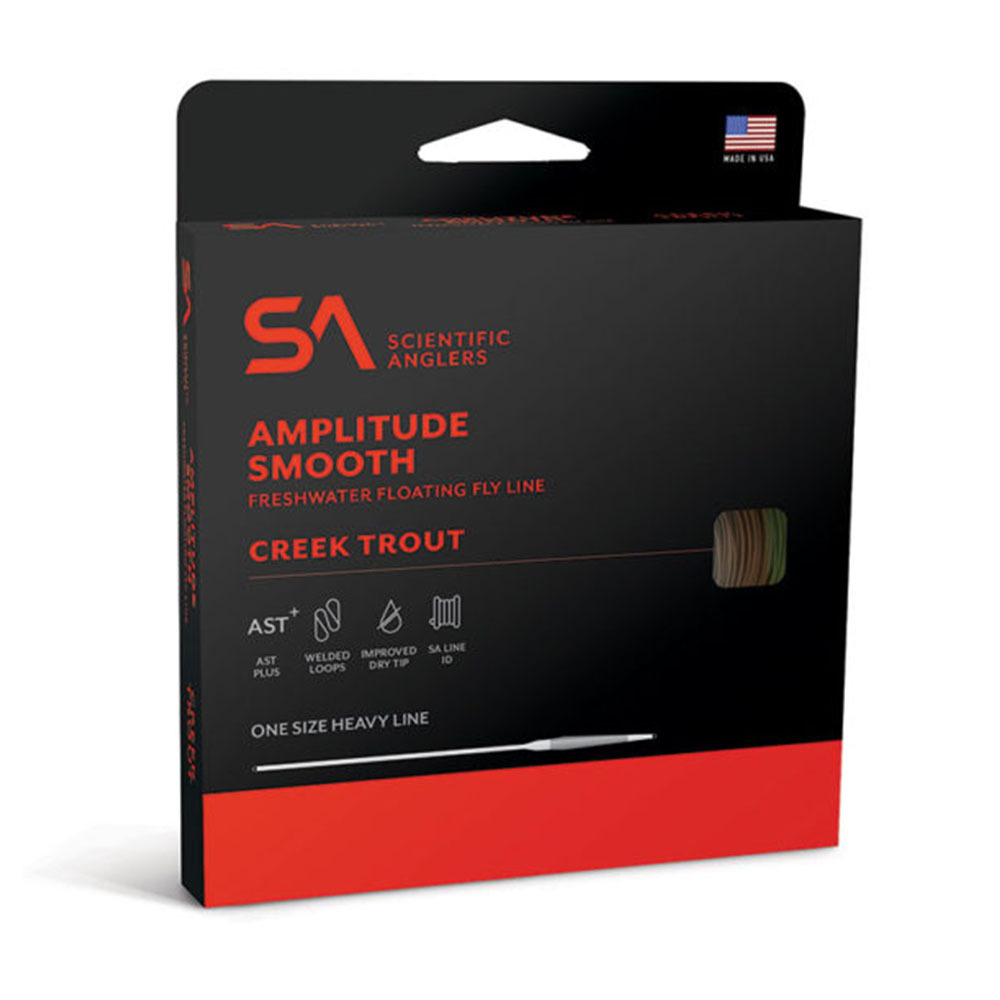
Best for Small Streams and Technical Dry Fly: Scientific Anglers Amplitude Smooth Creek Trout
Short-range accuracy on tight water. The Creek Trout has a shorter head and steeper front taper designed for roll casts, reach casts, and the delicate presentations that technical dry fly fishing demands. If most of your trout fishing happens on smaller rivers, spring creeks, or anywhere a long cast is the wrong cast, this is the line to fish. The fine tip turns over small dry flies without slamming them down, and the compact head loads fast at 20 to 35 feet, which is exactly where small stream fishing lives. $99.95.
 |
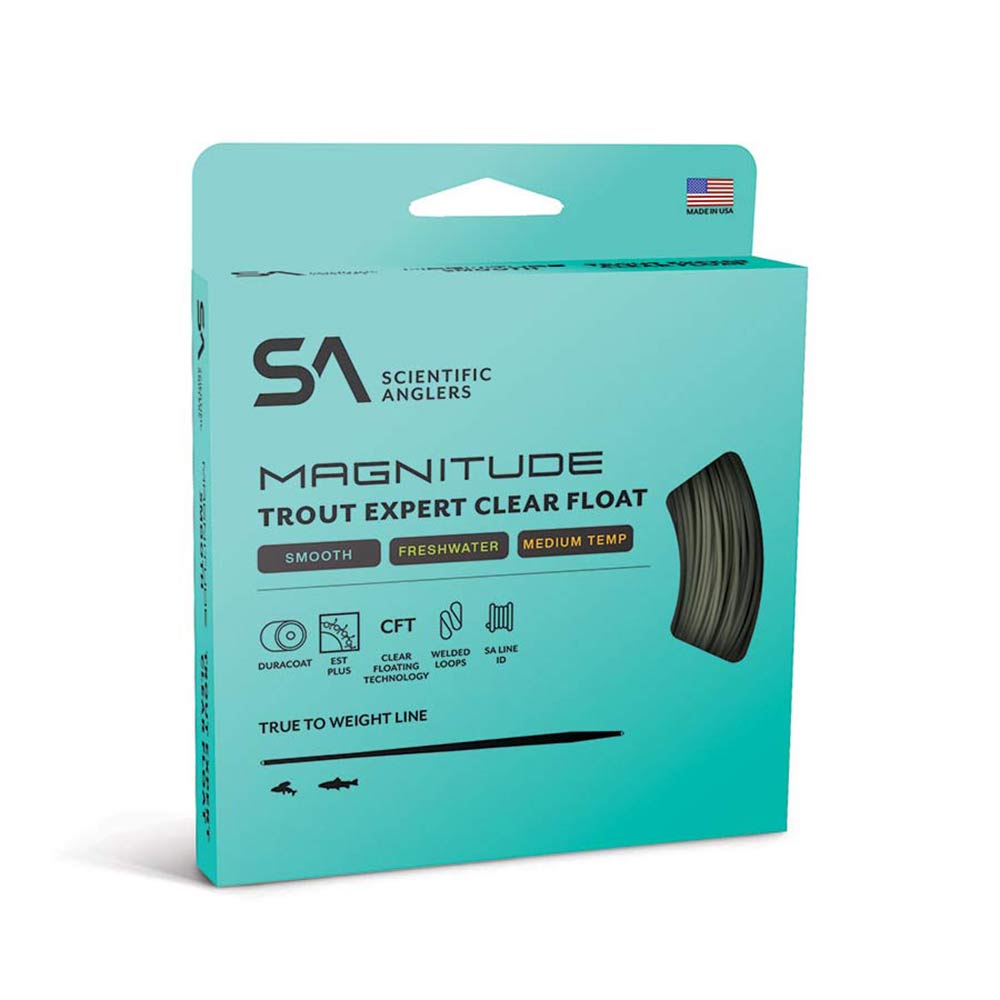
Best for Nymphing and Technical Presentation: Scientific Anglers Magnitude Smooth Trout Expert Clear Tip
Built for anglers who fish technical water where presentation is everything. The clear tip section disappears near the surface and reduces the visual profile of the line near the fly, which matters on flat, pressured water with wary fish. The extended front taper slows turnover for softer dry fly presentations and gives you more control at distance on nymph rigs. This is the top of the Scientific Anglers trout line lineup at $149.95, and it is worth the premium on water where every advantage counts. If you fish tailwaters, gin-clear spring creeks, or anywhere trout have seen a lot of flies, this is the line to reach for.
 |
Best for Trout Streamers: Scientific Anglers Sonar Titan Sinking Lines
When you are throwing streamers for big trout, a floating line is the wrong tool. The Sonar Titan series gives you purpose-built sinking options at three density combinations. The Sink 2 / Sink 3 is the right call for moderate-depth runs and slower water where a moderate sink rate keeps the fly in the zone without snagging bottom constantly. The Sink 4 / Sink 6 with its multi-density construction gets you deep fast and keeps the fly angled correctly through the swing. Both are $99.95. If you are not sure which to start with, the Sink 2 / Sink 3 covers the widest range of common trout streamer scenarios.
Sink 2 / Sink 3 |
Best Budget Trout Line: Scientific Anglers Mastery MPX
Not every trout rod needs a $100 line. The Mastery MPX is a reliable, versatile weight-forward floating line at $79.95 that performs well across a broad range of trout conditions. It has a slightly heavier front taper than the Infinity, which helps load the rod more quickly at close range and makes it a forgiving option for anglers still developing their cast. A solid choice for a second rod, a beginner setup, or any situation where you want a dependable line without the premium price tag.
 |
What Fly Line Do I Need for Bass?
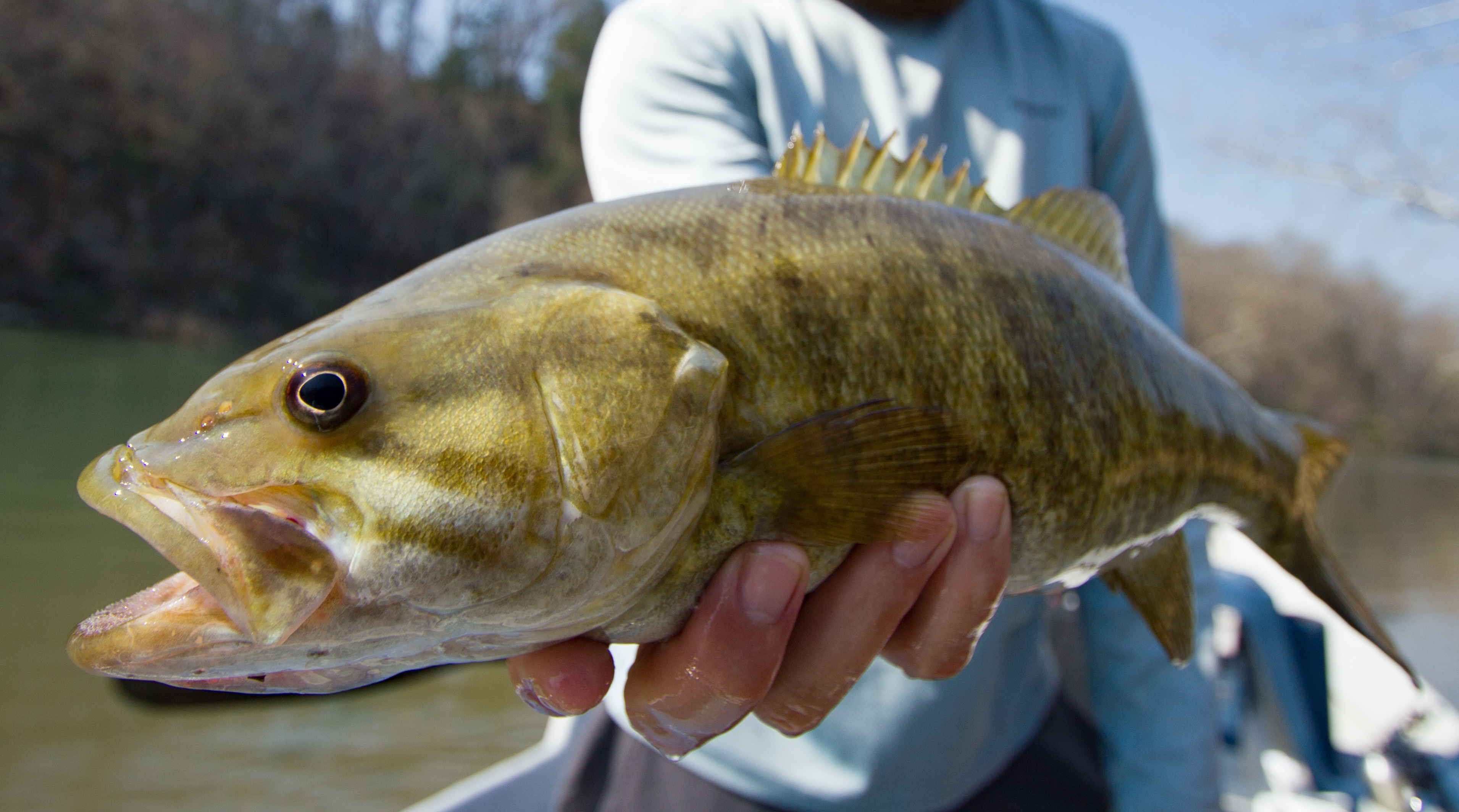
Bass fly fishing asks more from a line than trout fishing. You are typically casting larger, air-resistant flies: poppers, deer hair bugs, big articulated streamers, crayfish patterns. These flies do not turn over on a standard trout taper. They need a line with a heavier, shorter head that loads the rod fast and delivers the power to turn over bulk at close to medium range. Bass also live in structure-heavy water where accuracy at short distance matters more than delicate presentation. The right bass line punches big flies accurately to specific targets without requiring a long casting stroke.
Best Bass Fly Line: Scientific Anglers Amplitude Smooth Infinity Plus
The Infinity Plus is specifically designed for warmwater fly fishing. The heavier front taper and shorter head deliver the energy needed to turn over big poppers and bulky deer hair flies. The line is overpowered relative to its stated weight, which is intentional: warmwater presentations require more grunt than a standard trout line provides, and the extra mass up front loads the rod faster so you can fire accurate casts to shoreline targets without building up a long carry. It handles both largemouth and smallmouth scenarios well, and works equally well on rivers and lakes. $99.95.
 |
For Heavier Bass Presentations: Scientific Anglers Amplitude MPX
When you are throwing the biggest flies in the box or need to push through wind on open water, the Amplitude MPX delivers more power than any other line in the Scientific Anglers freshwater lineup. The MPX taper is built for maximum energy transfer at close range and handles articulated double-hook streamers, full deer hair poppers, and large foam patterns that would stall on a lighter warmwater line. At $129.95 it is the premium option in this category, and it earns its place when the flies get big and the fish get serious.
 |
What Fly Line Do I Need for Saltwater?
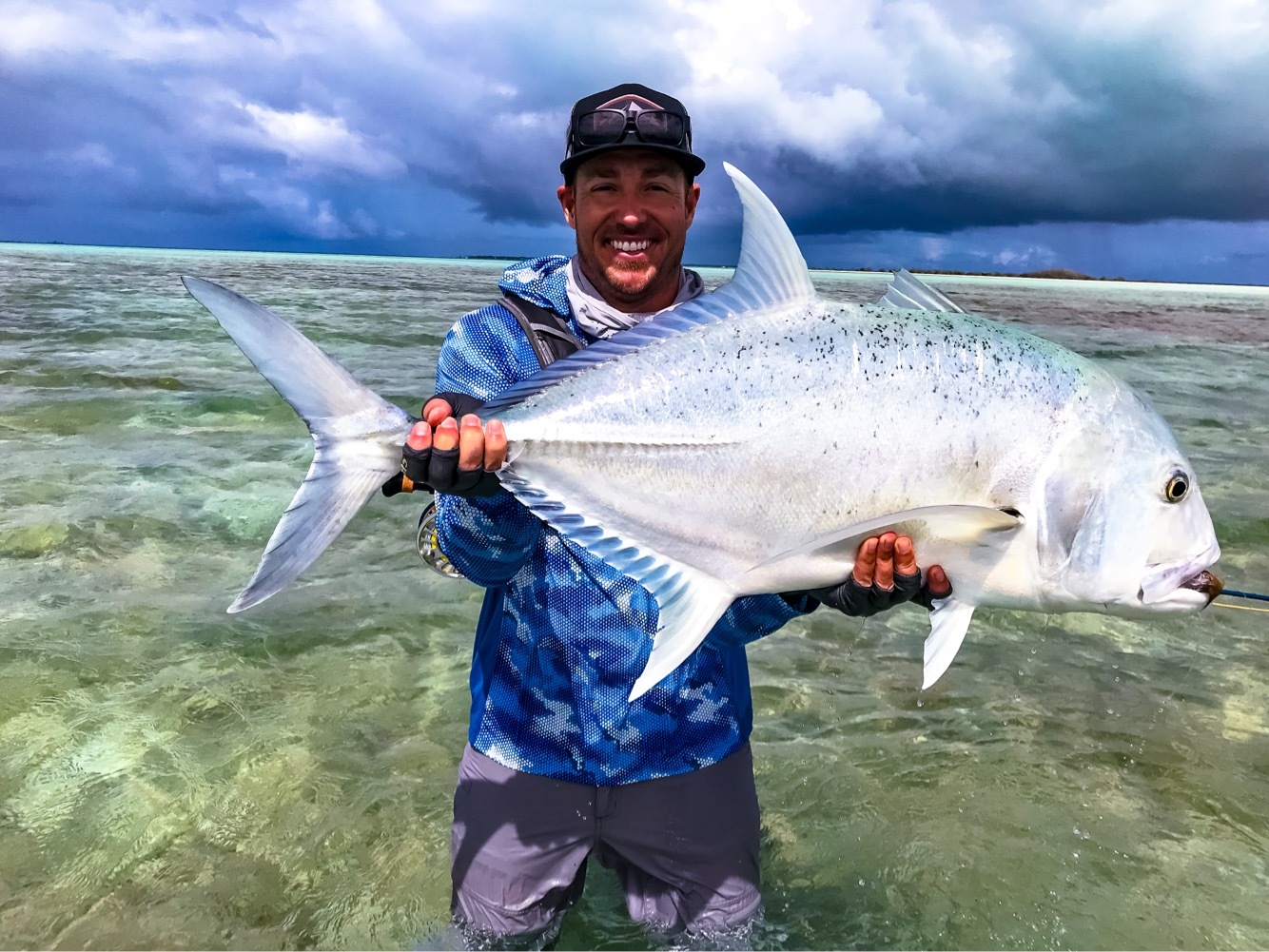
Saltwater fly fishing is the most demanding application for a fly line. The fish are bigger and faster, the presentations need to happen quickly and accurately, and the environment fights you constantly: heat, humidity, salt spray, and wind all degrade line performance. Saltwater lines have stiffer cores that do not go limp in tropical heat, hard coatings that resist salt buildup and saltwater abrasion, and aggressive front tapers that cut through wind and deliver flies at speed. Using a trout line in the salt is a mistake you only make once. The right line matters more here than anywhere else.
Best All-Around Saltwater Line: Scientific Anglers Amplitude Smooth Infinity Salt
The go-to saltwater floating line for anglers covering a broad range of flats and nearshore species. The Infinity Salt taper is built for quick loading, wind-cutting delivery, and the fast, accurate presentations that saltwater sight fishing demands. The AST Plus coating resists tropical heat better than standard lines and handles the abuse of repeated saltwater exposure without losing its slickness. At $99.95 it is the most accessible entry point in the Scientific Anglers saltwater lineup and covers a wide range of inshore scenarios from stripers to redfish to smaller flats species. For anglers who want a textured surface for additional shooting distance, the Amplitude Textured Infinity Salt delivers the same taper with a micro-texture coating at $129.95.
Smooth |
Textured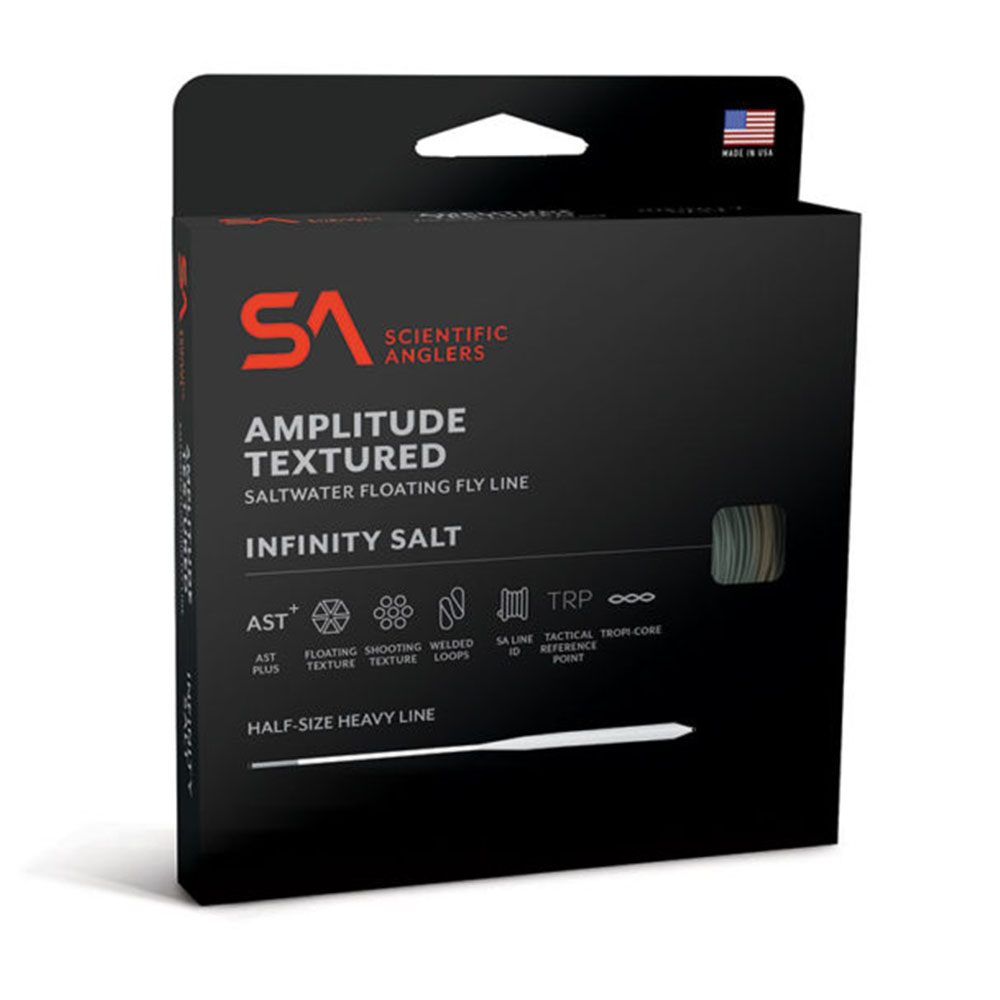 |
Best for Bonefish: Scientific Anglers Magnitude Smooth Bonefish Plus
Bonefish fishing is a precision game. You have one shot at a tailing fish on the flat, maybe 40 feet away, and you need the fly to land softly and precisely before the fish moves on. The Bonefish Plus is built for that exact scenario. The taper is tuned for delicate delivery at medium range, the clear tip reduces surface visibility near the fly, and the stiff tropical core holds up in the heat that flats fishing almost always involves. Fish the Absolute Bonefish Leader off this line and you have a complete, purpose-built bonefish setup. $149.95.
 |
Best for Permit, Baby Tarpon, and Mixed Flats Species: Scientific Anglers Magnitude Smooth Grand Slam
When the flat holds multiple species and you need one line that handles bonefish, permit, and redfish without switching, the Grand Slam is the answer. The taper is a compromise in the best sense: enough delicacy for bonefish presentations, enough power to punch crab patterns into the wind for permit, and enough versatility to strip streamers for redfish along the mangroves. The clear tip disappears at the surface where spooky fish are most likely to notice it. Available in both smooth at $149.95 and textured at $179.95. The textured version shoots farther; choose it if distance is a consistent challenge on your water.
Smooth |
Textured |
Best for Migratory Tarpon: Scientific Anglers Magnitude Smooth Tarpon
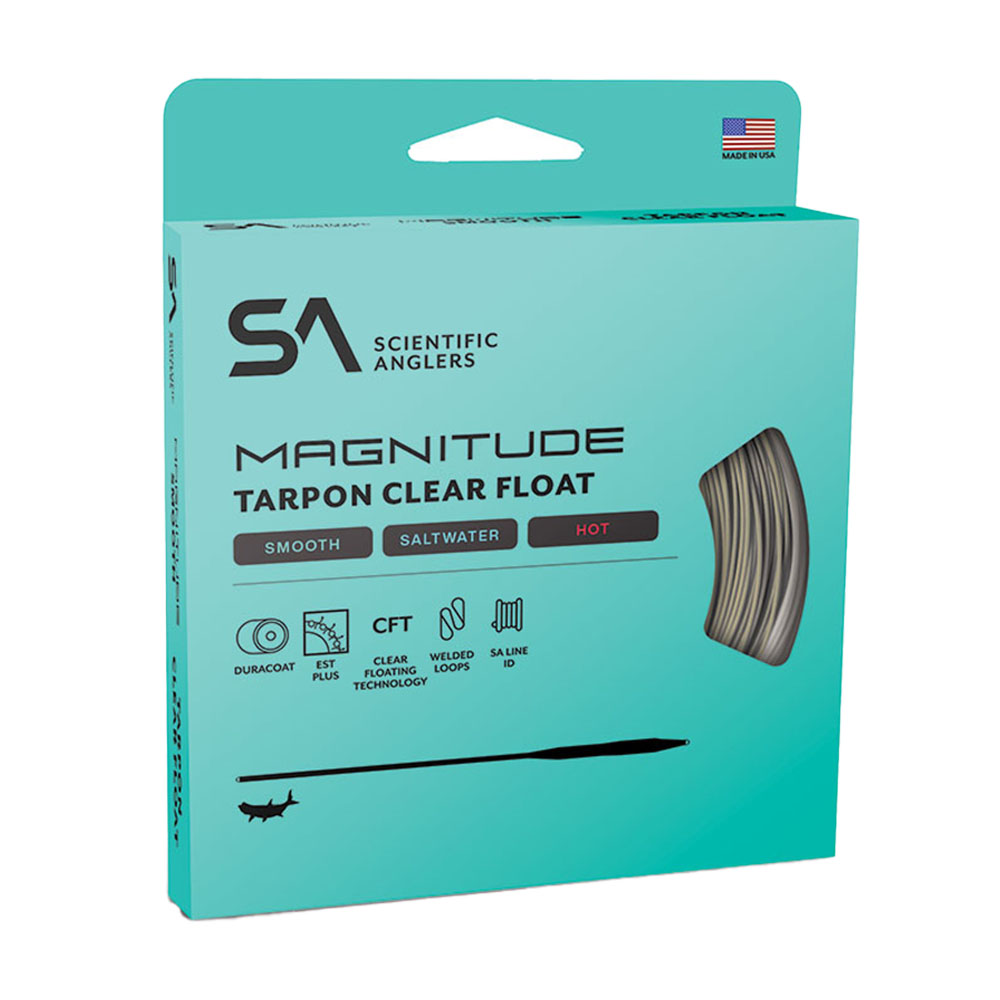
Tarpon fishing is a category of its own. A 100-pound tarpon rolling in a channel requires a line that can fire a 3/0 fly 60 feet accurately, has the mass to turn over heavy shock tippet, and holds together under the heat and abuse of a serious tarpon fishery. The Magnitude Smooth Tarpon is a full clear floating line built specifically for this application. The large-diameter running line shoots easily through the guides on a fast strip, the clear construction reduces visibility in clear water, and the stiff tropical core does not collapse in Florida or Caribbean heat. If you are fishing tarpon at Islamorada, the Marquesas, or anywhere size-class fish are the target, this is the line to spool. $149.95.
 |
Best for Offshore and Big Game: Scientific Anglers Magnitude Smooth Infinity Salt Clear Tip
When the target is offshore species, striped marlin, mahi, bluefin, or any fish where you are presenting a fly from a boat to a fast-moving target, the Magnitude Smooth Infinity Salt Clear Tip is the line built for that application. The clear tip disappears at the surface, the Magnitude core holds stiffness in extreme heat, and the taper delivers the speed and accuracy that offshore sight fishing demands. At $149.95 it is the top of the saltwater floating line lineup and the right choice when the fish are big and the presentation window is short.
Quick Reference: Which Line for Which Fish
| If you are fishing... | Start with this line | Price |
| Trout, general all-around | Amplitude Smooth Infinity | $99.95 |
| Trout, small streams and technical dry fly | Amplitude Smooth Creek Trout | $99.95 |
| Trout, nymphing or clear technical water | Magnitude Smooth Trout Expert Clear Tip | $149.95 |
| Trout, streamers and deep water | Sonar Titan Sink 2 / Sink 3 | $99.95 |
| Trout, budget or beginner | Mastery MPX | $79.95 |
| Bass, largemouth and smallmouth | Amplitude Smooth Infinity Plus | $99.95 |
| Bass, big flies or heavy wind | Amplitude MPX | $129.95 |
| Saltwater, general inshore | Amplitude Smooth Infinity Salt | $99.95 |
| Bonefish | Magnitude Smooth Bonefish Plus | $149.95 |
| Permit, Baby Tarpon, mixed flats | Magnitude Smooth Grand Slam | $149.95 |
| Big Tarpon | Magnitude Smooth Tarpon | $149.95 |
| Offshore and big game | Sonar Titan GT | $99.95 |
Frequently Asked Questions
What weight fly line do I need for trout? Match the line weight to your rod weight. Most trout fishing uses a 4-weight, 5-weight, or 6-weight. A 5-weight is the most versatile starting point and covers the widest range of trout water and fly sizes.
Can I use a trout line for bass? You can, but it will not perform well. Bass flies are larger and more air-resistant than trout flies. A dedicated warmwater line like the Amplitude Smooth Infinity Plus has a heavier front taper that turns over big poppers and deer hair bugs without collapsing on the forward cast.
Do I need a special line for saltwater? Yes. Saltwater lines have stiffer cores that resist the heat of tropical environments, harder coatings that handle salt abrasion, and more aggressive tapers for wind-cutting presentations. A standard trout line will go limp in heat and degrade quickly in salt water.
What is the difference between smooth and textured fly lines? Textured lines have a micro-texture coating that reduces line-to-guide contact and increases shooting distance. Smooth lines cast more quietly and are better for delicate presentations on spooky fish. For most freshwater trout fishing, smooth is the right choice. For distance-critical saltwater scenarios, textured has an advantage.
What is a clear tip fly line? A clear tip line has a transparent section at the front of the fly line. This section is less visible to fish near the surface than a standard colored line. It is most useful on flat, clear water where fish are easily spooked, particularly for bonefish, permit, and technical trout fishing.
Do I need a sinking line for trout? Only if you are fishing streamers in deep water or heavy current. For most dry fly and nymph fishing, a floating line with a long leader gets your fly where it needs to be. Add a sinking line if you fish big rivers, lake shorelines, or any scenario where you need the fly to track deep through a run.
Buy the Right Line Once
A mismatched fly line is the most common and most fixable problem in fly fishing. The right line makes casting easier, presentations more accurate, and the whole experience more enjoyable. All of the lines in this post are in stock at Campman with free shipping on orders over $50. If you are not sure which weight to order, match the number on your rod and you will be in the right range.
About the Author
 Derek Newman
Born in the Wasatch, Derek has had an affinity for mountain life since day one. He was on skis the year he learned to walk, and as a high school graduation present he gifted himself rock climbing lessons. Nearly two decades later, Derek spends most of his time climbing up and/or skiing down most of the mountains around Salt Lake City, and he’s traveled around the world multiple times for the sole purpose of peak exploration. When he isn’t a man about camp, he’s working in Campman’s content marketing crew writing up blogs about backcountry skiing or rock climbing as well as describing products that he’s used personally. He’s climbed in most climbing shoes, toured on most backcountry skis, and ridden the resort on skis, snowboards, and even some evac sleds.
Share on: